5 Simple Tips When It Comes To Writing A Newsletter
In the world of digital marketing, newsletters remain one of the most powerful tools for building lasting relationships with your audience.
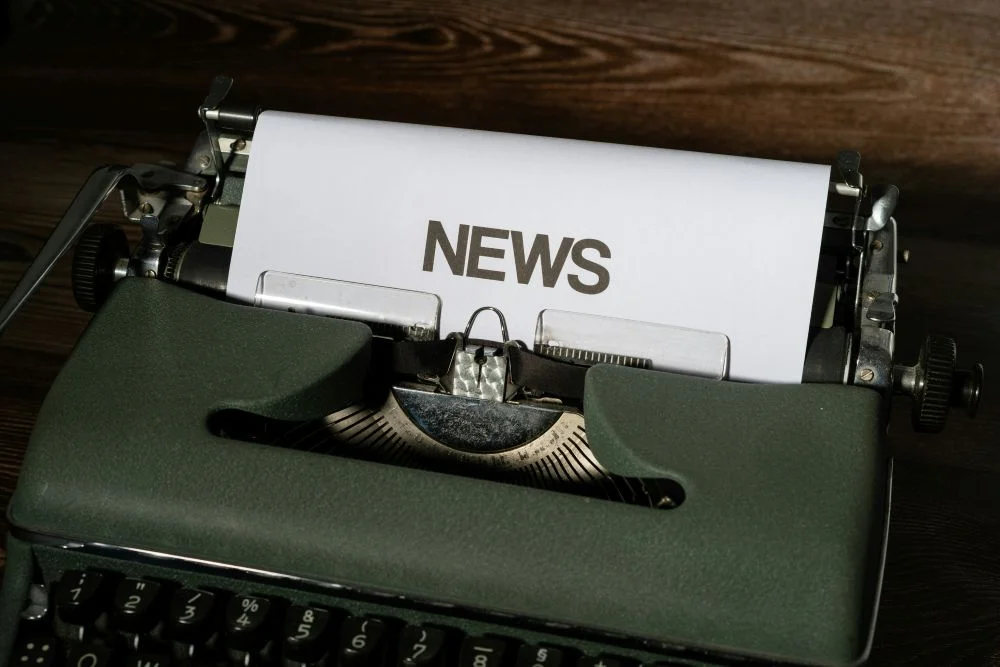
In the world of digital marketing, newsletters remain one of the most powerful tools for building lasting relationships with your audience. Whilst social media algorithms change daily and paid advertising costs continue to rise, email newsletters offer a direct line to your customers that you actually own and control. But here's the thing, writing newsletters that people actually want to read, open, and act upon isn't as straightforward as many business owners think it should be.
If you've ever stared at a blank email template wondering what to write, or if your newsletter open rates are making you question whether anyone actually cares about your content, then these five simple tips will help transform your email marketing from something that feels like a chore into a genuine sales-driving, relationship-building machine that works for your business.
Write Subject Lines That Actually Get Opened
Your subject line is the gatekeeper between your carefully crafted content and the delete button. Most business owners treat subject lines as an afterthought, writing something generic like "Monthly Newsletter" or "Company Updates" and then wondering why their open rates hover around the same level as their enthusiasm for tax returns.
The best subject lines create curiosity without being clickbait, promise value without overpromising, and feel personal without being creepy. Instead of "Our Latest Products," try "Three things that caught my attention this week" or "The mistake I made so you don't have to." These approaches work because they sound like something a colleague might say to you over coffee, not something a marketing department brainstormed in a meeting room.
Quick fix: Write five different subject lines for each newsletter, then pick the one that you'd personally be most likely to open if it appeared in your own inbox.
Keep Your Content Focused and Actionable
The biggest mistake I see with newsletters is trying to cram everything into every email. Company news, product updates, industry insights, personal stories, promotional offers, and everything else that's happened since the last send. By the time readers get halfway through, they've either lost interest or forgotten why they started reading in the first place.
Want more insights like this?
Join thousands of marketers getting weekly tips and strategies.
Successful newsletters have a clear theme for each edition. Whether that's solving one specific problem, sharing one valuable insight, or telling one compelling story, your readers should be able to summarise your newsletter's purpose in a single sentence. This focused approach doesn't just make your content more digestible, it makes your call-to-action more effective because everything in the email has been building toward that one clear next step.
Smart strategy: Before writing anything else, complete this sentence: "After reading this newsletter, my subscriber will be able to..." Everything you write should support that single outcome.
Personalise Beyond Just Adding Their Name
Most CRM systems can insert a subscriber's first name into an email, and most business owners think that's personalisation sorted. But real personalisation goes far deeper than mail merge fields. It's about understanding where your subscribers are in their customer journey and what information will be most valuable to them right now.
Someone who downloaded your free guide last week needs different content from someone who's been on your list for six months. A customer who just made their first purchase requires different follow-up than someone who's bought from you multiple times. Your email platform should allow you to segment your audience based on their behaviour, interests, and purchase history, enabling you to send more relevant content to smaller, more targeted groups.
True personalisation also means writing like you're talking to one person, not broadcasting to hundreds. Use "you" instead of "our customers" or "subscribers." Share personal anecdotes and opinions. Ask questions that encourage replies. The goal is to make each reader feel like you're writing specifically for them, because in many ways, you should be.
Advanced tip: Set up automated sequences that deliver different content based on how subscribers joined your list, ensuring their first impressions are always relevant to their specific interests.
Design for Mobile and Scanability
More than half of all emails are opened on mobile devices, yet countless newsletters are still designed as if everyone's reading them on a desktop computer with unlimited time and attention. Long paragraphs, tiny fonts, and complex layouts that look great on your laptop screen become unreadable obstacles on a phone screen.
Effective newsletter design prioritises scanability above everything else. Use short paragraphs, plenty of white space, and clear section breaks. Include subheadings that allow readers to quickly identify the parts most relevant to them. Make sure your most important message and call-to-action are visible without scrolling, because many readers will decide whether to engage further based on what they see in the first few seconds.
Button design matters too. Your call-to-action buttons should be large enough to tap easily on a phone screen and positioned where they feel natural within the content flow. Avoid cramming multiple competing calls-to-action into a single email, as this typically reduces overall conversion rates rather than increasing them.
Essential check: Always preview your newsletters on your phone before sending, and consider having colleagues test them on different devices to catch formatting issues you might miss.
Measure What Matters and Optimise Accordingly
Open rates and click-through rates are useful metrics, but they're not the whole story. A newsletter with a 15% open rate that drives actual sales is infinitely more valuable than one with a 45% open rate that generates no business results. Focus on metrics that connect directly to your business goals: website traffic, lead generation, sales conversions, and customer retention.
Pay attention to which content types generate the most engagement and which subject lines perform best with your specific audience. Most email platforms provide detailed analytics about subscriber behaviour, but the key is using that data to improve future newsletters rather than just collecting it. If how-to content consistently outperforms company news, adjust your content strategy accordingly.
Don't forget about the unsubscribe rate, but don't fear it either. A steady trickle of unsubscribes often indicates you're taking positions and providing value rather than sending bland, forgettable content. However, sudden spikes in unsubscribes usually signal that something needs adjusting.
Growth strategy: Set up a simple tracking system to monitor which newsletters drive the most website visits, enquiries, or sales, then analyse what made those editions more effective than others.
Writing newsletters that truly connect with your audience and drive business results isn't about following a rigid formula or copying what works for other companies. It's about understanding your subscribers, providing consistent value, and continuously improving based on real feedback and measurable outcomes. Start with these five fundamentals, but remember that the best newsletters develop their own voice and personality over time. Your audience subscribed because they're interested in what you have to say, so focus on saying it clearly, helpfully, and authentically, and the business results will follow naturally.
Ian
Ian has worked in Digital Marketing for decades, and is a Google Partner for Google Ads and an expert in onsite and technical SEO. He has worked with hundreds of clients, helping them achieve success online, through SEO, PPC and Digital Marketing, working with local businesses through to national retailers.
View all posts →Related Articles
6 Simple Ways To Boost Your Mailing List
As more and more business come back to the realisation that email marketing, if done correctly, still works, the power of making it successful is through relevant subscribers and constantly growing them to expand your reach.
Guide To Email Marketing In 2026
Email marketing in 2026 isn't just about sending newsletters and hoping for the best. The landscape has evolved dramatically, with AI-powered personalisation, privacy regulations, and shifting consume...
Why Email Marketing Can Still Be A Powerful Source Of Leads
In a world dominated by flashy social media campaigns and cutting-edge marketing automation, email marketing might seem as outdated as a the first mobile phone. Yet, it can still work.