The Email Automation Flows Every Business Should Have Set Up
Email automation is one of those things that many businesses know they should have in place, yet so many are either running with just a basic welcome message or nothing at all beyond t...
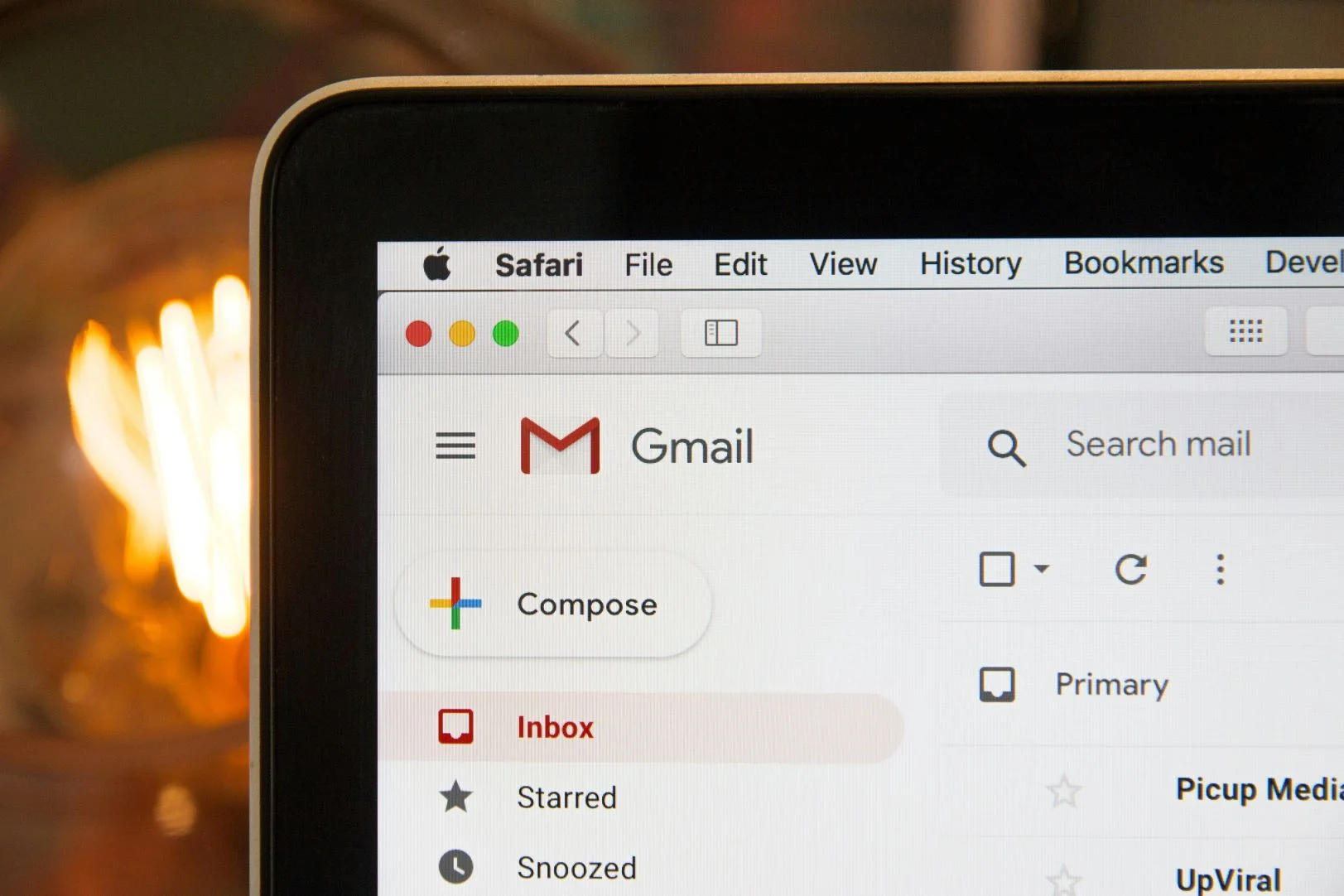
Email automation is one of those things that many businesses know they should have in place, yet so many are either running with just a basic welcome message or nothing at all beyond the occasional broadcast campaign. The reality is that a well-structured email marketing flow does not just save you time, it actively works in the background to nurture relationships, recover lost revenue, and move people through your sales process without you having to lift a finger every single time. If you are serious about building a sustainable business online, then getting your email automation flows set up properly is one of the most valuable things you can invest your time in.
There is, of course, a difference between setting up a flow for the sake of it and building one that actually delivers results. This guide walks you through the core email automation flows that every business, regardless of size or sector, should have running as a baseline minimum. Whether you are just getting started with email marketing or you are reviewing what you already have in place, the following flows are the ones that will make the biggest difference.
The Welcome Flow
It sounds obvious, and yet so many businesses either skip this entirely or reduce it to a single, flat message that barely says anything useful. The welcome flow is your very first opportunity to set the tone with a new subscriber or customer, and it deserves far more attention than most people give it.
When someone joins your list, they are at their most engaged. They have actively opted in, which means they are curious, receptive, and ready to hear from you. A strong welcome sequence typically runs across three to five emails delivered over the first week or two. The first email should arrive immediately after sign-up and focus on delivering whatever was promised, whether that is a lead magnet, a discount code, or simply a warm introduction to your brand. The emails that follow should build context, introduce your values, showcase what makes you different, and guide the subscriber towards a meaningful next step.
The goal here is not to sell immediately. The goal is to build enough trust that when you do make an offer, it lands well because the person on the other end already feels like they know you.
The Abandoned Cart Flow
For anyone running an e-commerce business, the abandoned cart flow is arguably the single most commercially impactful automation you can have in place. Research published by the Baymard Institute consistently shows that the majority of online shopping carts are abandoned before purchase, which means that without a recovery sequence, you are leaving a significant portion of potential revenue on the table every single day.
The abandoned cart flow typically begins with a reminder email sent within an hour or two of abandonment, when the product is still fresh in the person's mind. A second email, sent the following day, can address common hesitations such as shipping costs, returns policies, or product questions. A third email, usually sent two to three days later, might include a small incentive to nudge the person towards completing their purchase. The key is to keep the tone helpful rather than pushy. You are reminding someone of something they were already interested in, not pressuring them into something they never wanted.
The Post-Purchase Flow
Want more insights like this?
Join thousands of marketers getting weekly tips and strategies.
Winning the sale is fantastic. Keeping the customer and turning them into a repeat buyer is where the real long-term value lies. The post-purchase flow is the email automation sequence that activates after someone completes a transaction, and it serves several important purposes at once.
In the immediate aftermath of a purchase, your customer wants reassurance. A confirmation email that clearly summarises what they bought, when to expect it, and how to get in touch if something goes wrong is the foundation. From there, a follow-up email a few days later can check in on their experience, invite them to leave a review, or introduce complementary products that align with what they have already purchased. Platforms like Klaviyo make it straightforward to personalise this flow based on what was actually purchased, which adds a layer of relevance that generic broadcast emails simply cannot match.
Done well, the post-purchase flow transforms a one-time transaction into the beginning of an ongoing relationship. Done poorly, or not at all, that customer simply disappears back into the internet having had no reason to return.
The Re-Engagement Flow
Every email list accumulates inactive subscribers over time. These are people who signed up at some point, perhaps engaged initially, and then gradually stopped opening, clicking, or responding. Allowing a large segment of disengaged contacts to sit on your list without addressing them is damaging in two ways. First, it skews your performance data and gives you a misleading picture of how your email marketing is actually performing. Second, it can negatively affect your deliverability, because inbox providers pay close attention to engagement signals when deciding where your emails land.
A re-engagement flow, sometimes called a win-back sequence, is designed to identify subscribers who have not engaged within a defined period, typically somewhere between 60 and 180 days depending on your sending frequency, and make one final attempt to bring them back. The sequence might open with a direct, honest subject line acknowledging that you have noticed they have been quiet. Subsequent emails can highlight what has changed since they last engaged, offer an incentive to return, or simply ask whether they still want to hear from you.
The subscribers who re-engage are worth keeping. Those who do not respond to any email in the sequence are generally better removed from your list. A smaller, cleaner, and more engaged list will consistently outperform a large and disengaged one in almost every measurable way.
The Lead Nurture Flow
Not every person who enters your world is ready to buy immediately, and this is particularly true for service-based businesses and B2B companies where the sales cycle tends to be longer and more considered. The lead nurture flow is designed to keep those potential customers warm and moving forward, even when they are not yet at the point of making a decision.
A well-constructed lead nurture sequence delivers value consistently over time. That might mean sharing educational content, addressing frequently asked questions, breaking down common misconceptions, or demonstrating your expertise in ways that build credibility. The Mailchimp email marketing benchmarks resource is a useful reference for understanding what reasonable engagement looks like across different industries, which can help you calibrate the frequency and content of your nurture emails accordingly.
The nurture flow should also be responsive to behaviour. If someone clicks on a link about a specific service or topic, that signal tells you something about where their interest lies, and a well-configured email marketing automation system should be able to react to that by adjusting what they receive next. This kind of behavioural segmentation is what separates a thoughtful email marketing strategy from a blunt-instrument approach.
The Browse Abandonment Flow
Slightly less well-known than its abandoned cart counterpart, the browse abandonment flow targets people who visited specific pages or product listings on your website but left without adding anything to their cart. It sits one step earlier in the buying journey, and it is particularly effective for businesses with a higher-consideration product range where people tend to browse and research before committing.
The trigger for this flow is typically set up through a combination of your email marketing platform and your website tracking, and platforms such as Klaviyo or ActiveCampaign have built-in functionality to support this. The emails themselves should feel timely and relevant, referencing what the person was looking at and offering something useful, whether that is more information, social proof, or a gentle prompt to come back and take a closer look.
The Review and Referral Flow
Social proof is one of the most powerful drivers of purchasing decisions, and yet many businesses neglect to actively build it through their email automation. A review and referral flow, triggered at the right point after a positive customer experience, can systematically grow your stock of testimonials, ratings, and word-of-mouth recommendations over time.
The timing of this flow matters enormously. Sending a review request too soon, before the customer has had a proper chance to experience your product or service, tends to result in low response rates and occasionally frustrated customers. Sending it at the right moment, when satisfaction is likely to be at its peak, produces far better results. Following up a review request with a referral incentive, offering both the existing customer and their referred contact something of value, can extend the reach of each positive experience well beyond the original transaction.
Getting Your Email Automation in Order
The email automation flows outlined here are not optional extras for businesses that happen to have the time and resource to invest in them. They are the foundations of a functioning email marketing strategy, and without them, you are almost certainly leaving revenue, relationships, and long-term growth potential unrealised.
The good news is that once these flows are built and tested, they run continuously without requiring constant management. Your welcome sequence greets every new subscriber. Your abandoned cart flow recovers purchases you would otherwise have lost. Your post-purchase flow builds loyalty. Your re-engagement flow keeps your list healthy. Your nurture flow keeps prospects moving forward. Each one plays a specific role, and together they form an email marketing infrastructure that supports your business around the clock.
If you have not yet set these up, start with the welcome flow and the abandoned cart sequence if you are in e-commerce. Get those right first, then build outward. The investment of time you make now will continue paying back for as long as your business is running.
Ian
Ian has worked in Digital Marketing for decades, and is a Google Partner for Google Ads and an expert in onsite and technical SEO. He has worked with hundreds of clients, helping them achieve success online, through SEO, PPC and Digital Marketing, working with local businesses through to national retailers.
View all posts →Related Articles
6 Simple Ways To Boost Your Mailing List
As more and more business come back to the realisation that email marketing, if done correctly, still works, the power of making it successful is through relevant subscribers and constantly growing them to expand your reach.
Guide To Email Marketing In 2026
Email marketing in 2026 isn't just about sending newsletters and hoping for the best. The landscape has evolved dramatically, with AI-powered personalisation, privacy regulations, and shifting consume...
Why Email Marketing Can Still Be A Powerful Source Of Leads
In a world dominated by flashy social media campaigns and cutting-edge marketing automation, email marketing might seem as outdated as a the first mobile phone. Yet, it can still work.