
How To Increase Your CTR When It Comes To PPC
Click-through rate remains one of the most critical metrics in pay per click advertising, yet many advertisers struggle to achieve the performance they need.
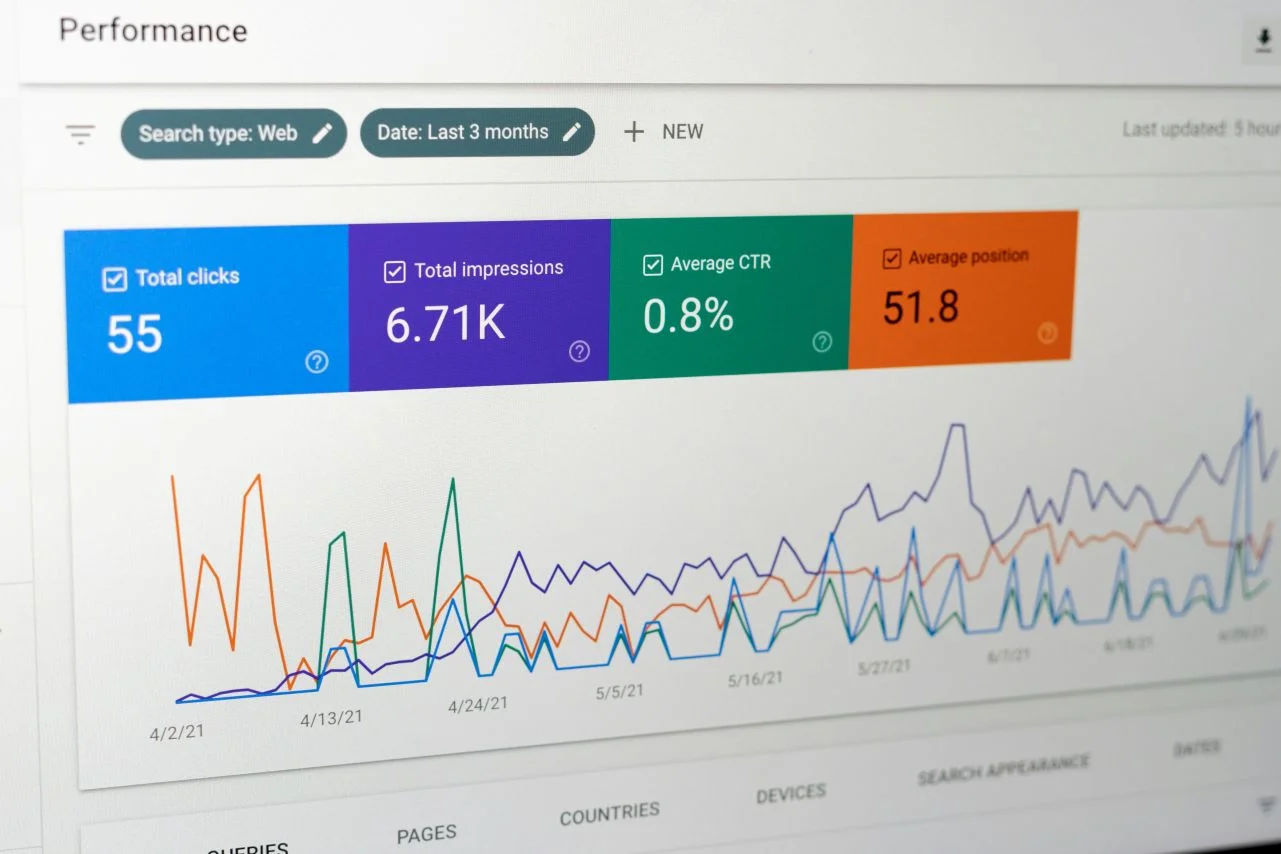
Click-through rate remains one of the most critical metrics in pay per click advertising, yet many advertisers struggle to achieve the performance they need. When your CTR is low, you're not just missing out on traffic, you're also paying more for each click and seeing your Quality Score suffer. The good news is that improving your click through ratio isn't rocket science, but it does require understanding what makes people want to click your advert over the dozens of others they see every day.
Whether you're running campaigns through Google Ads or managing complex paid search strategies, the fundamentals of creating compelling adverts remain consistent. It's about speaking directly to your audience's needs, standing out from the competition, and making your offer irresistible enough that clicking feels like the obvious next step.
Craft Headlines That Demand Attention
Your headline is the first thing potential customers see, and in most cases, it determines whether they'll read further or scroll past. The best headlines don't just describe what you do, they speak directly to the problem your audience is trying to solve or the outcome they're trying to achieve.
Think about the difference between "Quality Accounting Services" and "Get Your Tax Return Filed in 24 Hours". The first tells you what they offer, the second tells you exactly what you'll get and when you'll get it. Include your target keywords naturally, but don't sacrifice clarity for the sake of keyword density. Google Ads rewards relevance, but users reward usefulness.
Quick fix: Review your current headlines and ask yourself: would someone searching for this service immediately understand why they should choose you over the competitor above or below your advert?
Write Descriptions That Sell Benefits
Your description lines are where you have space to elaborate on your value proposition and address potential objections before they arise. Too many advertisers waste this precious real estate listing features instead of explaining why those features matter to the customer.
Instead of "Free consultation, 20 years experience, qualified team", try something like "Speak to a qualified expert today about your specific situation. No obligation, no pressure, just practical advice you can act on immediately". The second approach takes the same facts but presents them in terms of what the customer actually gets.
Use your description to build on the promise made in your headline and include a clear call to action that tells people exactly what to expect when they click. This transparency not only improves your CTR but also helps ensure the traffic you do get is more likely to convert.
Smart strategy: Test descriptions that address common objections or concerns your prospects might have, such as pricing transparency, time commitments, or qualification requirements.
Leverage Ad Extensions Strategically
Want more insights like this?
Join thousands of marketers getting weekly tips and strategies.
Ad extensions don't just make your adverts take up more space on the page, they provide additional opportunities to include relevant information and give users more reasons to click. Sitelink extensions can highlight specific services or product categories, whilst callout extensions let you emphasise unique selling points like "Free Delivery" or "24/7 Support".
Location extensions are particularly powerful for local businesses, as they can significantly increase CTR by showing users exactly how close you are to them. Similarly, call extensions can boost performance for businesses where phone calls are valuable, especially when combined with call scheduling to show your availability.
The key is relevance. Don't add extensions just because Google Ads allows you to, add them because they provide genuine value to someone searching for your keywords. Each extension should reinforce your main message and give users another compelling reason to choose your business.
Quick fix: Audit your current extensions and ensure each one serves a specific purpose in your customer's decision-making process.
Match Your Message to Search Intent
One of the biggest mistakes in PPC advertising is using the same advert copy for keywords with completely different search intentions. Someone searching for "emergency plumber" has very different needs and urgency levels compared to someone searching for "bathroom renovation costs".
Your most effective campaigns will have tightly themed ad groups where the keywords, headlines, and descriptions all align with the specific intent behind the search. This doesn't mean you need hundreds of ad groups, but it does mean being thoughtful about grouping similar keywords and creating relevant messaging for each group.
Pay attention to the language your potential customers use when they search. If they're using informal terms, your adverts should reflect that tone. If they're searching with technical terminology, they probably want to see that you understand their industry or expertise level.
Smart strategy: Review your search terms report regularly to understand exactly how people are finding your adverts, then refine your messaging to better match their language and intent.
Test Different Emotional Triggers
People make buying decisions based on emotions and justify them with logic. Your advert copy should tap into the emotional drivers behind your customers' searches, whether that's fear of missing out, desire for status, need for security, or aspiration for a better future.
A fitness coach might test headlines focusing on confidence ("Feel Amazing in Your Own Skin") against those emphasising results ("Lose 10 Pounds in 30 Days") to see which resonates more strongly with their audience. The key is testing different approaches whilst maintaining honesty and authenticity.
Urgency can be particularly effective when it's genuine. Limited-time offers, seasonal promotions, or capacity constraints can all create legitimate urgency that encourages immediate action. Just ensure any urgency claims are truthful, as disappointed users will quickly bounce from your site.
Quick fix: Identify the primary emotional driver for your target audience and ensure at least one element of your advert copy speaks to that motivation.
Optimise for Mobile Users
With the majority of searches now happening on mobile devices, your adverts need to work perfectly on smaller screens. This means shorter headlines that don't get truncated, descriptions that make sense even when partially cut off, and calls to action that are appropriate for mobile users.
Mobile users often have different behaviours and expectations compared to desktop users. They might be more likely to call rather than fill out a form, or they might be searching while on the move and need location information. Google Ads allows you to create mobile-specific adverts that can significantly improve your CTR on mobile devices.
Consider the context of mobile searches as well. Someone searching for a restaurant on their phone is probably looking to visit soon, whilst someone searching for insurance might be comparing options for future purchase. Tailor your messaging accordingly.
Smart strategy: Create separate mobile-optimised adverts that account for the different ways people interact with search results on their phones.
Monitor and Refine Based on Performance
Improving your CTR isn't a one-time task, it's an ongoing process of testing, measuring, and refining. Set up proper tracking within Google Ads to understand not just which adverts get clicked, but which clicks lead to valuable actions on your website.
Sometimes a higher CTR doesn't translate to better business results if the increased clicks aren't from qualified prospects. Focus on improving CTR whilst maintaining or improving conversion rates, as this combination will give you the best return on your advertising investment.
Regular performance reviews should look at CTR trends over time, performance variations by device or location, and how changes to your adverts impact both click volume and conversion quality. This data will guide your future optimisation efforts and help you understand what resonates most with your audience.
Successful PPC advertising is about creating adverts that people genuinely want to click because they solve real problems or fulfil genuine needs. Focus on understanding your customers, crafting compelling messages, and continuously refining your approach based on real performance data, and your CTR will improve alongside your overall campaign effectiveness.
Ian
Ian has worked in Digital Marketing for decades, and is a Google Partner for Google Ads and an expert in onsite and technical SEO. He has worked with hundreds of clients, helping them achieve success online, through SEO, PPC and Digital Marketing, working with local businesses through to national retailers.
View all posts →Related Articles

Choosing A Pay Per Click Management Agency - How To Find The Right One For Your Business
When it comes to pay per click advertising, many business owners face a critical decision that could make or break their online marketing efforts. Do you manage your PPC campaigns in-house, or do you...

How To Increase ROI In Google Ads
Google Ads can be one of the most profitable marketing channels for your business, but it can also be one of the fastest ways to burn through your budget if you're not careful.

Does Quality Score Matter In Google Ads In 2026?
As we navigate through 2026, many advertisers are questioning whether Quality Score still holds the weight it once did in Google Ads campaigns. With Google's continuous algorithm updates and the rise...