How Facebook Can Drive Sales For Your Ecommerce Business
Facebook isn't just where your customers scroll through holiday photos and share memes. With over 2.9 billion active users globally, it's become one of the most powerful sales engines for ecommerce bu...
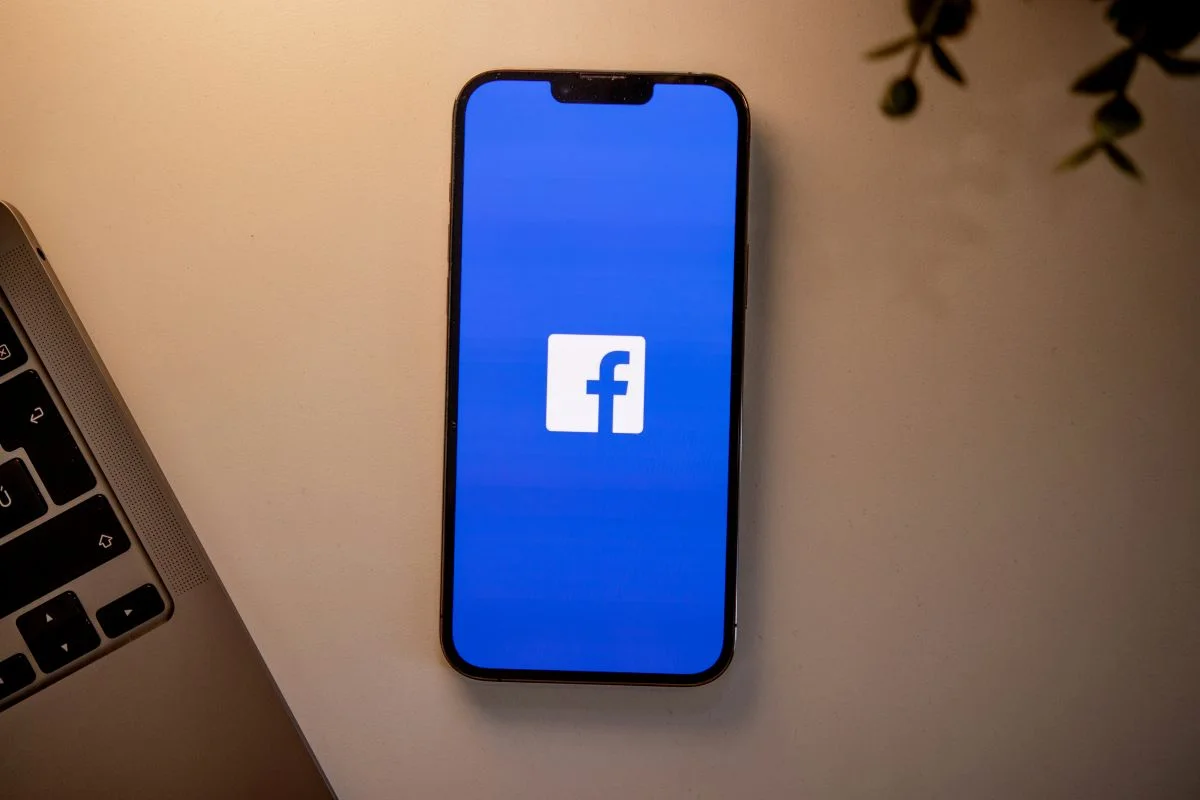
Facebook isn't just where your customers scroll through holiday photos and share memes. With over 2.9 billion active users globally, it's become one of the most powerful sales engines for ecommerce businesses willing to master its advertising ecosystem. The question isn't whether Facebook can drive sales for your online store, it's whether you're using it correctly to unlock that potential.
Many ecommerce business owners treat Facebook advertising like throwing darts blindfolded, hoping something sticks. They boost a few posts, run some basic ads, and wonder why their return on ad spend looks more like a charity donation than a profitable investment. The reality is that Facebook's advertising platform is sophisticated enough to deliver exceptional results, but only when you understand how to harness its capabilities properly.
Understanding Facebook's Advertising Ecosystem
Facebook advertising operates on a completely different level compared to traditional marketing channels. Unlike Google Ads where users are actively searching for products, Facebook allows you to interrupt people in a good way, showing them products they didn't know they needed. This creates opportunities for impulse purchases and introduces your brand to entirely new audiences.
The platform's real strength lies in its data. Facebook knows more about user behaviour, interests, and purchasing patterns than almost any other platform. When a user likes a competitor's page, engages with similar products, or even visits websites in your industry, Facebook captures and categorises this information. For ecommerce businesses, this means you can target people based on their actual shopping behaviour, not just demographics.
Start by installing Facebook Pixel on your website immediately. This tracking code will begin collecting data about your visitors, creating custom audiences for retargeting campaigns that typically convert 2-3 times higher than cold traffic campaigns.
Leveraging Facebook Shops and Dynamic Advertising
Facebook Shops transforms your business page into a virtual storefront, allowing customers to browse and purchase without leaving the platform. This seamless shopping experience reduces friction in the buying process, which directly impacts conversion rates. Businesses using Facebook Shops report average conversion rate improvements of 15-25% compared to traditional link-based advertising.
Dynamic ads take this further by automatically showing the right products to the right people. If someone visits your website and looks at running shoes but doesn't purchase, dynamic ads will show them those exact shoes, along with similar products, as they browse Facebook and Instagram. This personalised approach mimics the experience of having a personal shopping assistant following up with each potential customer.
Some advertisers have reported that their return on ad spend jumped from 2.1 to 4.7 within three months of implementing dynamic product ads combined with Facebook Shops. The key was segmenting their audience based on browsing behaviour and showing personalised product collections rather than generic brand awareness content.
Want more insights like this?
Join thousands of marketers getting weekly tips and strategies.
Set up your Facebook Shop today and connect it to your product catalogue. Even if you don't run ads immediately, having this foundation in place will dramatically improve your advertising options when you're ready to scale.
Mastering Facebook's Campaign Objectives
Facebook offers multiple campaign objectives, but for ecommerce businesses, the most profitable approaches typically centre around conversions, catalogue sales, and traffic campaigns. Each objective tells Facebook's algorithm what you want to achieve, and the platform optimises accordingly.
Conversion campaigns work best when you have sufficient data, typically after achieving 50 conversions per week. Before reaching this threshold, traffic campaigns can be more cost-effective for building initial momentum. The algorithm needs data to learn what type of person is likely to purchase from your store, and traffic campaigns help gather this information at lower costs.
Catalogue sales campaigns are particularly powerful for ecommerce businesses with diverse product ranges. These campaigns automatically promote your best-selling or most relevant products to users based on their interests and behaviour. A home goods retailer recently increased their monthly revenue by 340% by switching from manual product promotion to automated catalogue sales campaigns, allowing Facebook's algorithm to identify the highest-converting product and audience combinations.
Start with traffic campaigns to build your pixel data, then graduate to conversion campaigns once you're generating consistent sales. Always run campaigns for at least 7 days before making significant changes, as Facebook's algorithm needs time to optimise performance.
Advanced Targeting and Audience Segmentation
Facebook's targeting capabilities extend far beyond basic demographics. Behavioural targeting allows you to reach people based on their actual actions, such as recent online purchases, travel patterns, or device usage. For ecommerce businesses, targeting users who are 'frequent online shoppers' or have 'engaged with online fashion content' can dramatically improve campaign performance.
Custom audiences represent the most valuable targeting option for established ecommerce businesses. By uploading customer email lists, you can create lookalike audiences that share characteristics with your best customers. These audiences typically convert at rates 50-70% higher than interest-based targeting.
Retargeting audiences require careful segmentation to maximise effectiveness. Create separate audiences for website visitors who viewed products but didn't purchase, customers who made one purchase, and customers who've made multiple purchases. Each group needs different messaging and offers to drive the desired action.
Create a custom audience of your best customers (highest lifetime value) and use it to generate a 1% lookalike audience. This audience will often become your highest-performing ad set within weeks of launching.
Creative Strategy That Converts
Facebook users scroll quickly, giving your ads just seconds to capture attention. Successful ecommerce creatives focus on stopping the scroll with visually striking content, then delivering clear value propositions. Video content consistently outperforms static images, with short-form videos (15-30 seconds) showing the product in use generating the highest engagement rates.
User-generated content provides social proof whilst reducing creative production costs. Encourage customers to share photos using your products, then repurpose this content in your advertising. This approach builds trust and authenticity, two crucial factors in online purchasing decisions.
Testing different creative formats is essential for long-term success. Carousel ads work excellently for showcasing product ranges, collection ads help tell brand stories, and single image ads often perform best for specific product promotions. A successful approach involves running 3-4 different creative formats simultaneously, then scaling the highest performers.
Develop a content calendar that includes 60% product-focused content, 30% lifestyle or educational content, and 10% behind-the-scenes brand content. This mix keeps your advertising fresh whilst maintaining sales focus.
Measuring Success and Optimising Performance
Facebook's attribution window changes have made tracking more complex, but focusing on the right metrics remains crucial for profitable campaigns. Return on ad spend (ROAS) should be your primary success metric, but understanding the full customer journey requires looking at first-click attribution, view-through conversions, and lifetime customer value.
Cost per acquisition (CPA) provides insights into campaign efficiency, but remember that not all acquisitions are equal. A customer acquired for £25 who makes a £40 purchase might seem better than one acquired for £35 who makes a £100 purchase, but the latter often indicates higher long-term value.
Regular performance analysis should happen weekly, with major optimisations reserved for campaigns that have collected sufficient data. Facebook's algorithm requires consistency to perform effectively, so constant changes can actually harm performance.
Set up automated reporting in Facebook Ads Manager to receive weekly performance summaries. Focus on trends rather than daily fluctuations, and only make changes when campaigns consistently underperform for 5-7 days.
Facebook advertising success for ecommerce businesses requires treating it as a sophisticated marketing channel rather than a simple boost button. The businesses seeing the strongest results are those investing time in understanding their audiences, testing systematically, and optimising based on real performance data rather than assumptions. Start with solid foundations, scale what works, and remember that the most successful Facebook advertising strategies are built over months, not days.
Ian
Ian has worked in Digital Marketing for decades, and is a Google Partner for Google Ads and an expert in onsite and technical SEO. He has worked with hundreds of clients, helping them achieve success online, through SEO, PPC and Digital Marketing, working with local businesses through to national retailers.
View all posts →Related Articles
Best Platforms For Managing Social Media Advertising Campaigns
The best platforms for managing social media advertising campaigns don't just consolidate your workflow; they transform how you approach paid social strategy entirely.
The Content That Works Best For Your Business On Social Media
In the world of social media marketing, creating content that actually moves the needle for your business isn't about following every trend or copying what works for others.
What Defines Success When It Comes To Business And Social Media
In the world of digital marketing and business growth, social media success isn't just about posting content and hoping for the best. What defines success when it comes to business and social media?