What To Do When CRO Becomes The Issue, Not Website Traffic
When it comes to growing your online business, the conversation often centres around driving more traffic to your website.
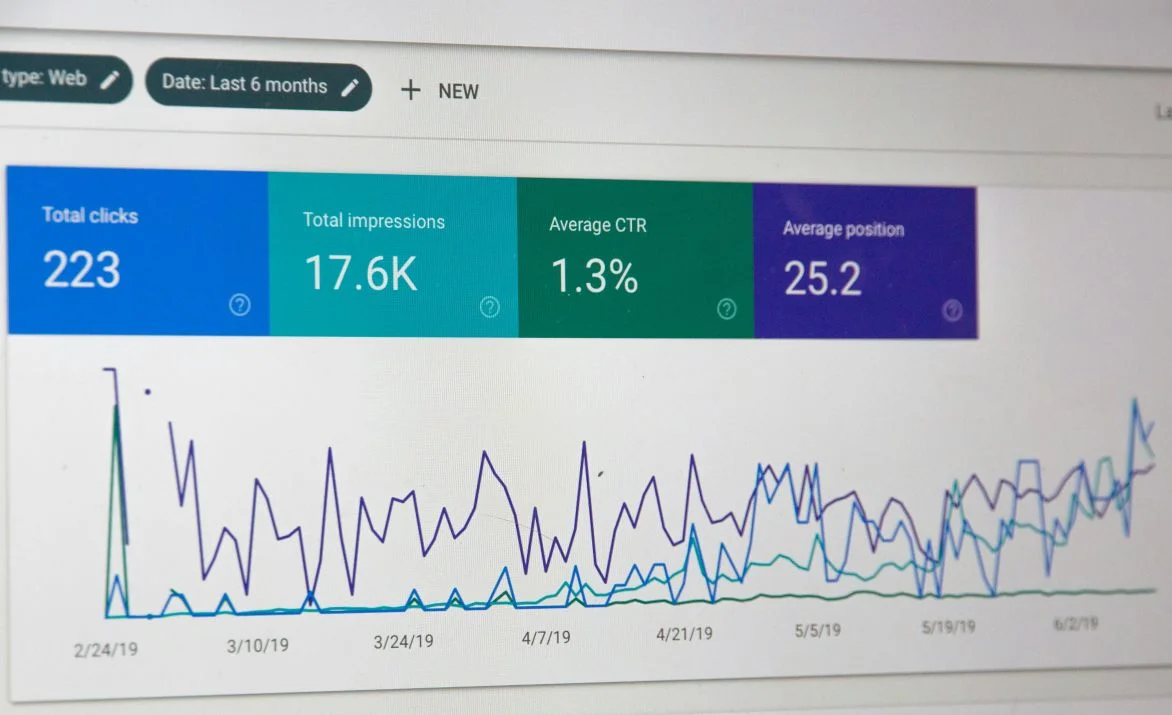
When it comes to growing your online business, the conversation often centres around driving more traffic to your website. SEO strategies, paid advertising campaigns, and social media efforts all focus on getting more eyeballs on your content. But what happens when you've already got decent traffic numbers, yet your sales figures remain stubbornly flat? The uncomfortable truth is that sometimes the problem isn't getting people to your website, it's what happens after they arrive.
This is where conversion rate optimisation (CRO) becomes absolutely critical. If visitors are landing on your site but not taking the actions you want them to take, whether that's making a purchase, filling out a contact form, or signing up for your newsletter, then you've got a conversion problem, not a traffic problem. Throwing more visitors at a poorly converting website is like pouring water into a leaky bucket: the harder you pour, the more you waste.
Understanding when to shift your focus from traffic generation to conversion optimisation can be the difference between a struggling online presence and a thriving digital business. Here's how to identify when CRO should become your priority, and more importantly, what to do about it.
Recognising the Signs of a Conversion Problem
The first step in addressing any CRO issue is recognising that you have one. Many business owners get so caught up in traffic metrics that they miss the warning signs of poor conversion performance. High bounce rates, low average session duration, and abandoned shopping carts are all indicators that your website isn't effectively turning visitors into customers.
If you're seeing steady or growing traffic but your sales, leads, or other key metrics aren't moving in proportion, that's your first red flag. A healthy website typically sees conversion improvements as traffic quality increases, but if that relationship is broken, it's time to dig deeper into user behaviour rather than simply driving more people to your site.
Quick fix: Set up proper conversion tracking across all your key actions before making any optimisation decisions. You can't improve what you can't measure accurately.
Understanding User Behaviour Through Analytics
Once you've identified a potential conversion issue, the next step is understanding exactly what's happening on your website. This is where tools like Microsoft Clarity and Hotjar become invaluable for CRO analysis. These heat mapping and session recording platforms allow you to see exactly how users interact with your pages, where they click, how far they scroll, and most importantly, where they get stuck or frustrated.
Clarity provides detailed heat maps showing you which areas of your pages get the most attention and which elements are being ignored entirely. Meanwhile, Hotjar's session recordings let you watch real user journeys, helping you identify friction points that might not be obvious from standard analytics data alone.
These insights can reveal issues that traditional traffic analysis simply can't uncover. Perhaps your call-to-action buttons are positioned poorly, your forms are too complex, or your page load times are causing users to abandon their journey before completing desired actions.
Smart strategy: Focus on pages with the highest traffic but lowest conversion rates first. These represent your biggest opportunities for immediate impact.
Want more insights like this?
Join thousands of marketers getting weekly tips and strategies.
Optimising Your Conversion Funnel
Every website has a conversion funnel, whether you've deliberately designed one or not. This is the path users take from their initial landing to completing your desired action. When CRO becomes the priority, mapping and optimising this funnel should be one of your first tasks.
Start by identifying the key steps in your conversion process. For an e-commerce site, this might include product discovery, product pages, add to cart, checkout initiation, and purchase completion. For a service business, it could be homepage, service pages, contact form, and form submission.
Once you've mapped these steps, use your analytics data to identify where the biggest drop-offs occur. These bottlenecks are where you should focus your initial optimisation efforts. Tools like Google Analytics' funnel visualisation can help you pinpoint exactly where users are leaving your conversion process.
Action point: Eliminate unnecessary steps in your conversion funnel. Every additional click or form field is another opportunity for users to abandon their journey.
Testing and Iteration Strategies
Effective CRO isn't about making sweeping changes based on hunches. It's about systematic testing and gradual improvement. A/B testing platforms like Optimizely, VWO, or even Google Optimize (whilst it was available) allow you to test different versions of your pages against each other to see which performs better.
Start with high-impact, low-effort tests. These might include different headlines, button colours, or call-to-action text. As you build confidence and see results, you can move on to more complex tests involving page layouts, pricing displays, or entire user flows.
The key to successful testing is patience and statistical significance. Don't jump to conclusions based on a few days of data. Wait until you have enough traffic and conversions to make confident decisions about which variations truly perform better.
Testing tip: Focus on one element at a time in your A/B tests. Changing multiple variables simultaneously makes it impossible to determine which change drove any improvement or decline.
Technical Factors That Impact Conversion
Sometimes poor conversion rates aren't due to design or messaging issues, but rather technical problems that create friction for users. Page load speed is perhaps the most critical technical factor affecting conversion rates. Even small delays can significantly impact user experience and lead to increased abandonment.
Mobile responsiveness is another crucial factor. With mobile traffic often representing the majority of website visits, a poor mobile experience can devastate your conversion rates regardless of how well your desktop site performs.
Tools like Google PageSpeed Insights, GTmetrix, and WebPageTest can help you identify technical issues that might be hampering your conversions. These platforms provide specific recommendations for improving site speed and user experience across different devices.
Priority fix: Ensure your most important conversion pages load within three seconds across all devices. This alone can provide significant improvement to your conversion rates.
Content and Messaging Optimisation
Beyond technical factors, the content and messaging on your conversion pages play a crucial role in persuading visitors to take action. This includes everything from your value proposition and product descriptions to trust signals and social proof.
Review your key conversion pages with fresh eyes, or better yet, have someone unfamiliar with your business review them. Can they quickly understand what you're offering, why it's valuable, and what they need to do next? If there's any confusion or hesitation, that's an opportunity for improvement.
Social proof elements like customer testimonials, reviews, trust badges, and security certificates can significantly impact conversion rates, particularly for e-commerce sites or businesses asking for personal information.
Content strategy: Use clear, benefit-focused headlines that speak directly to your visitor's needs rather than just describing features.
Measuring and Maintaining CRO Success
Once you've implemented CRO improvements, the work doesn't stop there. Conversion optimisation is an ongoing process that requires continuous monitoring and refinement. Set up regular reporting on your key conversion metrics and establish benchmarks that help you track progress over time.
Beyond immediate conversion metrics, pay attention to secondary indicators like average order value, customer lifetime value, and user engagement metrics. Sometimes CRO improvements can impact these areas positively even if primary conversion rates show more modest gains.
Remember that conversion optimisation is rarely a one-time fix. User behaviour evolves, market conditions change, and new opportunities for improvement constantly emerge. The most successful businesses treat CRO as an ongoing discipline rather than a project with a defined end point.
When traffic isn't your problem, conversion rate optimisation offers a direct path to business growth without the ongoing costs associated with driving more visitors to your site. By focusing on turning your existing traffic into customers more effectively, you can often achieve better returns on your marketing investment whilst building a stronger foundation for future growth.
Ian
Ian has worked in Digital Marketing for decades, and is a Google Partner for Google Ads and an expert in onsite and technical SEO. He has worked with hundreds of clients, helping them achieve success online, through SEO, PPC and Digital Marketing, working with local businesses through to national retailers.
View all posts →Related Articles

Where To List Your Products For Sale To Gain More Customers
In today's competitive digital landscape, knowing where to list your products for sale to gain more customers can make the difference between a thriving business and one that struggles to find its aud...

Is Digital Marketing A Good Career
There are very few industries that have transformed as rapidly as digital marketing, and when it comes to career opportunities, I am a true believer that digital marketing offers one of the most dynam...
Is GA4 Really That Much Of An Improvement On The Previous Google Analytics
Google Analytics 4 has been with us for a while now, and yet the question still lingers in many marketers' minds: is GA4 really that much of an improvement on the previous Google Analytics? Having wor...