
How To Do SEO For A Brand New Website
Starting a brand new website is one of those genuinely exciting moments in business. You have a domain, a design, and a vision.

Starting a brand new website is one of those genuinely exciting moments in business. You have a domain, a design, and a vision. But without a solid SEO foundation in place from the very beginning, that excitement can quickly turn into frustration when months pass and the organic traffic simply never arrives. Learning how to do SEO for a brand new website is not just about ticking a few boxes and hoping for the best. It is about building something methodically, with purpose, so that every page you publish has the best possible chance of being found, indexed, and ranked by search engines like Google.
The good news is that starting from scratch is actually an advantage in some respects. You are not inheriting someone else's technical debt, bad backlinks, or years of poorly structured content. You have a clean slate, and if you approach it correctly, you can build an SEO strategy that compounds in value over time.
Get Your Technical Foundations Right Before Anything Else
Before you write a single word of content or think about building links, your website needs to be technically sound. This means making sure your site loads quickly, is mobile-friendly, uses HTTPS, and has a clear, crawlable structure that search engines can navigate without difficulty.
Google has made it abundantly clear through its Core Web Vitals initiative that page experience matters. A new website that loads slowly or delivers a poor experience on mobile devices is going to struggle, regardless of how good the content is. Tools like Google PageSpeed Insights will give you a clear picture of where your site stands and what needs addressing before you go any further.
You should also ensure that your URL structure is clean and logical from day one. Changing URL structures later creates redirect headaches and can cause you to lose any early authority you have built. Think carefully about how your site is organised and make sure the hierarchy makes sense, both for users and for search engines.
Set Up Google Search Console and Google Analytics Immediately
If there is one thing that new website owners consistently delay, it is setting up their tracking and monitoring tools. Google Search Console and Google Analytics should be connected to your site before you do anything else in terms of SEO activity.
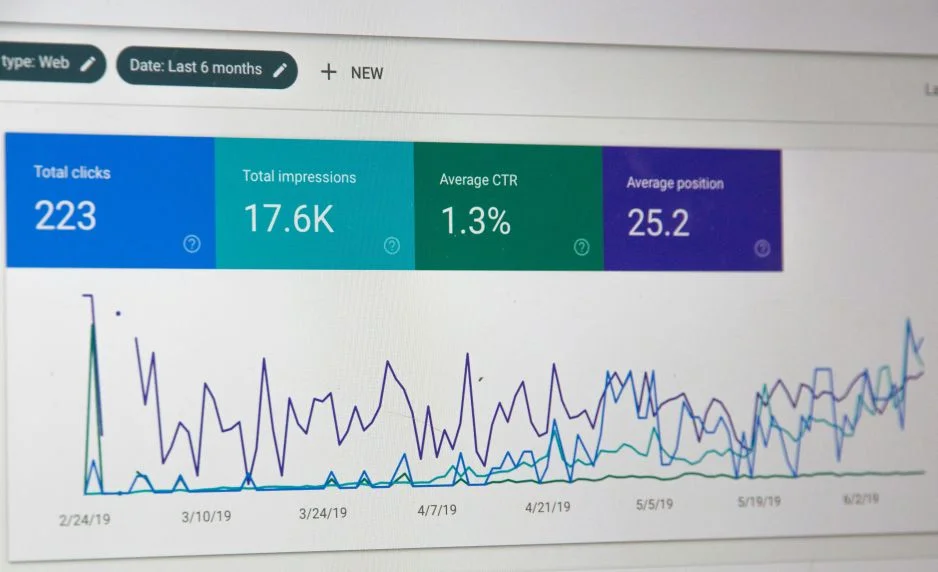
Google Search Console in particular is invaluable for a new website. It allows you to submit your sitemap directly to Google, monitor how your pages are being indexed, identify any crawl errors that might be preventing your content from being discovered, and understand which search queries are starting to bring users to your site. Without this data, you are essentially flying blind, making decisions based on guesswork rather than evidence.
Want more insights like this?
Join thousands of marketers getting weekly tips and strategies.
Submitting an XML sitemap through Search Console tells Google exactly what pages exist on your website and helps new content get discovered more efficiently. Most modern CMS platforms, including WordPress, will generate a sitemap automatically, but you need to make sure it is being submitted and that there are no errors reported against it.
Conduct Keyword Research Before Writing Any Content
One of the most common mistakes made on new websites is writing content without any understanding of what people are actually searching for. Keyword research is the process of identifying the terms and phrases your target audience uses when looking for the products, services, or information you provide, and it should inform every piece of content you create.
There are excellent tools available to help with this, including Ahrefs, SEMrush, and Google's own Keyword Planner. For a brand new website, it is worth paying particular attention to long-tail keywords. These are more specific, lower competition phrases that might not drive enormous volumes of traffic individually, but they are far more achievable for a new site to rank for than broad, highly competitive terms that established websites have dominated for years.
Think about the intent behind the keywords you target too. Someone searching for a very specific question is likely far closer to taking action than someone typing a single generic word into a search engine. Matching your content to the right intent is just as important as finding the right keywords in the first place.
Create Content That Genuinely Serves the Reader
Content is still the backbone of any successful SEO strategy, and for a new website, it is your primary tool for building authority and relevance in the eyes of search engines. But the content you create needs to be genuinely useful, well-structured, and more comprehensive than what already exists on the topic.
Each piece of content should target a specific keyword or topic area, include your primary and related terms naturally within the copy, and be structured with clear headings that make it easy for both readers and search engines to understand the page. Your title tags and meta descriptions should be written thoughtfully, as these are often the first thing a potential visitor sees in the search results before they decide whether to click through to your site.
Internal linking is also something to build into your content strategy from the start. Linking between related pages on your own site helps distribute authority across your domain and makes it easier for Google to crawl and understand the relationship between your content. Do not leave pages isolated. Every new piece of content you publish should connect logically to others on your site.
Build Your Backlink Profile Gradually and Legitimately
Backlinks remain one of the most significant ranking signals that Google uses to evaluate a website's authority. For a new site, earning those first backlinks can feel like a challenge, but there are legitimate and effective ways to approach it without resorting to shortcuts that could cause long-term damage to your domain.
Start by making sure your business is listed on relevant, reputable directories and local citation sources. If you operate in a specific industry, look for trade associations, partner websites, or publishers who might be willing to feature your content or link to your resources. Creating genuinely valuable content, such as a detailed guide, an original resource, or a well-researched piece of commentary on a topic in your field, gives other websites a reason to reference and link to you.
Guest posting on established websites in your industry, done properly with well-written and relevant content, remains a credible way to earn exposure and links. The key is that the content must offer real value to the host site's audience, not simply exist as a vehicle for a link.
Be Patient and Consistent
Perhaps the most important thing to understand about doing SEO for a brand new website is that results take time. Google needs to crawl your site, index your content, assess its relevance and authority, and then decide where to rank it relative to everything else that exists on the same topic. This process does not happen overnight, and it is rarely linear.
New websites often experience what is referred to in the SEO community as the Google sandbox effect, where rankings remain suppressed for a period while trust and authority are established. This is entirely normal and is not a sign that your efforts are failing. The discipline is in continuing to publish quality content, earning links, fixing technical issues as they arise, and monitoring your performance through the tools you have set up.
Consistency is what separates websites that eventually break through and generate meaningful organic traffic from those that stall and fade. If you commit to the process and do not chase shortcuts, the foundation you build in the early months will reward you significantly over time.
Bringing It All Together
Knowing how to do SEO for a brand new website comes down to prioritising the right things in the right order. Get your technical foundations solid, connect your tracking tools early, research your keywords before creating content, build that content with genuine care and purpose, earn backlinks through quality and relevance, and accept that the results will come with time and consistency. None of these things are particularly complicated in isolation, but doing all of them well and doing them consistently is where the real competitive advantage lies. Start as you mean to go on, and your new website will be in a far stronger position than the vast majority of sites launched without a clear SEO strategy in place.
Ian
Ian has worked in Digital Marketing for decades, and is a Google Partner for Google Ads and an expert in onsite and technical SEO. He has worked with hundreds of clients, helping them achieve success online, through SEO, PPC and Digital Marketing, working with local businesses through to national retailers.
View all posts →Related Articles

Why Rankings Are A Poor Way To Measure Your SEO Campaign Success Rate
Too many people still rely on the tracking of keywords to rate their campaign, which as we go onto discuss, is not the best way of judging the success and effectiveness of your campaign.

The Link Building Mistakes That Will Catch You In The End
Links are still a fundamental part of SEO and improving rankings in the search engines and even though more emphasis than ever has been placed on how good and optimised your website is, link building is simply something that cannot be overlooked if you want long term success.
Why CRO Is Now As Important For SEO Than Ever Before
For years, the digital marketing world treated conversion rate optimisation (CRO) and search engine optimisation (SEO) as separate disciplines. SEO focused on driving traffic, CRO focused on convertin...