
How To Refresh Old Blog Content To Improve Your Rankings
Publishing a blog post and walking away from it permanently is one of the most common and costly mistakes you can make in content marketing.

Publishing a blog post and walking away from it permanently is one of the most common and costly mistakes you can make in content marketing. The reality is that older content, left to gather digital dust, can actively drag down your overall search performance whilst newer, fresher pages eat into rankings you once held comfortably. If you have a library of existing posts sitting on your site, learning how to refresh old blog content to improve your rankings is arguably one of the most valuable skills you can develop as a website owner or marketer. It is not glamorous work, but it is extraordinarily effective, and for many sites it delivers better results than producing entirely new content from scratch.
Why Old Content Loses Its Ranking Power
Search engines, and Google in particular, place significant value on relevance and accuracy. A post written three or four years ago may have been perfectly optimised at the time, but the landscape shifts constantly. Industry terminology changes, new products emerge, statistics become outdated, and the way people search for information evolves. When Google's crawlers revisit a page and find content that no longer reflects the current state of a topic, they begin to question its authority. Over time, the rankings drop, organic traffic declines, and the page becomes less visible to the very audience it was designed to reach.
There is also the question of competition. Even if your original post was excellent, competitors have likely published newer, more comprehensive content on the same topic since then. Refreshing your content gives you the opportunity to reclaim ground you may have lost and signal to search engines that your page is still the most relevant and authoritative result for a given query.
Identifying Which Posts Are Worth Updating
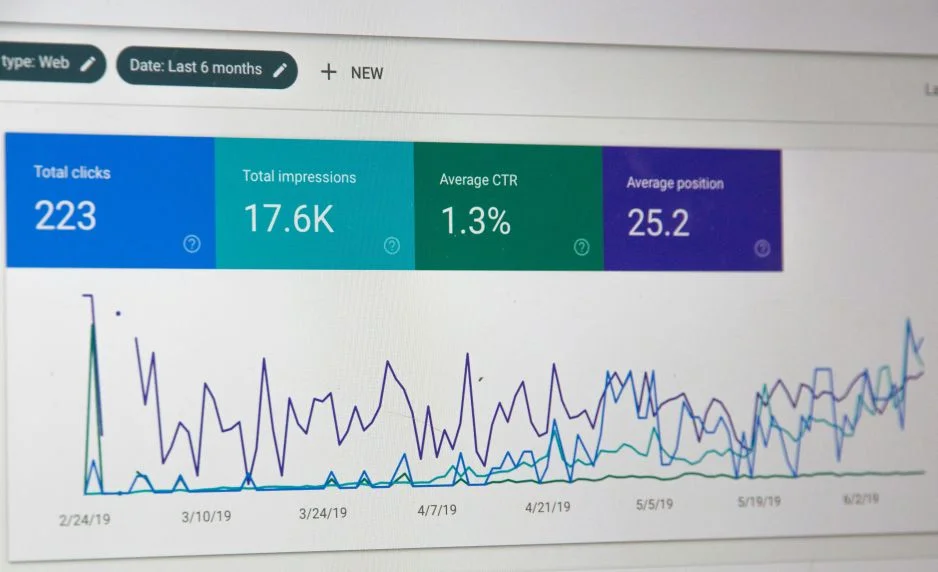
Not every post on your blog deserves the same level of attention, and before you start rewriting content at random, it pays to be strategic. The first place to look is Google Search Console, which gives you a clear picture of which pages are receiving impressions but not clicks, or pages that once performed well but have seen a gradual decline in traffic. These are the prime candidates for a content refresh.
Look for posts that rank somewhere between positions four and twenty for their target keyword. These pages are already on Google's radar and have some authority behind them, but they need a push to break into those top three positions where the majority of clicks happen. Updating these posts is far more efficient than trying to rank a brand new page from zero.
You should also look at your highest-traffic historical posts. Even if they are still performing reasonably well, refreshing them proactively keeps them competitive and prevents the gradual slide that almost always comes when content is left untouched for too long.
Auditing the Existing Content
Want more insights like this?
Join thousands of marketers getting weekly tips and strategies.
Before making any changes, read through the post as if you were encountering it for the first time. Ask yourself honestly whether it answers the question thoroughly, whether the information is still accurate, and whether the structure makes it easy to read and navigate. Note any sections that feel thin, any claims that need updating, and any areas where a competitor's content goes deeper or covers angles you have missed entirely.
It is also worth running a fresh keyword research session using tools such as Ahrefs or SEMrush to understand how the search intent around your topic may have shifted. The primary keyword you originally targeted may still be relevant, but there could be valuable related terms and questions that have grown in search volume since you first published the post. Incorporating these naturally into your updated content broadens its relevance without forcing keyword density.
Updating the Content Itself
This is where the real work happens, and it goes well beyond simply changing a few sentences. A thorough content refresh means revisiting the post with the mindset of someone writing it today, with all the knowledge, tools, and context available right now.
Start by replacing any outdated facts, figures, or references. If you referenced a particular tool that no longer exists, a regulation that has changed, or a trend that has since faded, update those references to reflect the current reality. Readers trust you to give them accurate information, and search engines reward pages that demonstrate current relevance.
Expand sections that are too brief. If a competitor's version of the same content covers a topic in considerably more depth, your updated post needs to match or exceed that level of detail. This does not mean padding the content with filler sentences; it means genuinely adding insight, context, and practical guidance that was missing before.
Consider adding new sections entirely if there are relevant angles that were not covered in the original post. If your guide on a particular subject does not address a question that searchers are now asking frequently, adding a dedicated section to cover it significantly improves the post's ability to rank for a broader range of queries.
Refreshing On-Page SEO Elements
Content quality is only part of the picture. The technical and on-page SEO elements of your post also need attention during a refresh. Review the title tag and meta description to ensure they are compelling, include your primary keyword naturally, and reflect the updated content. A stale meta description that no longer accurately describes the page can reduce your click-through rate even when you are ranking well.
Check your internal linking structure as well. Since you first published the post, you have likely added new content to your site that is relevant to the topic. Linking to those newer pages from within the refreshed post improves site architecture, distributes link equity, and gives readers a natural path to explore more of your content. Tools like Yoast SEO can help you manage these elements efficiently if you are working within WordPress.
Update any images within the post too. Outdated screenshots, irrelevant stock photography, or images without descriptive alt text are all missed opportunities. Fresh, relevant visuals with proper alt attributes contribute to both accessibility and search visibility.
Handling the Publication Date
One of the most debated questions around content refreshing is whether to update the publication date. The short answer is that you should update the date if the content changes are substantial enough to genuinely warrant it. Making cosmetic changes and then updating the date to manipulate recency signals is something Google has become increasingly adept at identifying, and it is not a practice worth pursuing.
If you have made meaningful updates, added new sections, revised outdated information, and improved the overall quality of the post, then changing the date to reflect the last updated time is entirely legitimate and can positively influence how the page is perceived both by search engines and by readers who want to know they are reading current information.
Promoting the Refreshed Content
Updating the post and waiting passively for Google to re-crawl it is a missed opportunity. Once the refresh is complete, treat it with some of the promotional energy you would give a brand new piece of content. Share it across your social media channels, include it in your next email newsletter, and consider whether any external sites that linked to the original post might be interested in the updated version. Outreach to sites that have linked to you before is far warmer than cold link building, and an improved piece of content gives you a genuine reason to get in touch.
Making Content Refreshing Part of Your Ongoing Strategy
The sites that consistently outperform their competitors in organic search are rarely the ones producing the most content; they are the ones maintaining the highest quality across everything they publish. Refreshing old blog content to improve your rankings is not a one-time project but an ongoing responsibility. Building a simple content audit schedule, reviewing your older posts on a rolling basis, and treating your existing library as a living asset rather than an archive will keep your site competitive in a way that purely focusing on new content never can.
Your existing content is already indexed, already holds whatever authority it has built over time, and already has a history with Google. Investing in it intelligently is one of the most efficient decisions you can make for your long-term SEO performance.
Ian
Ian has worked in Digital Marketing for decades, and is a Google Partner for Google Ads and an expert in onsite and technical SEO. He has worked with hundreds of clients, helping them achieve success online, through SEO, PPC and Digital Marketing, working with local businesses through to national retailers.
View all posts →Related Articles

Why Rankings Are A Poor Way To Measure Your SEO Campaign Success Rate
Too many people still rely on the tracking of keywords to rate their campaign, which as we go onto discuss, is not the best way of judging the success and effectiveness of your campaign.

The Link Building Mistakes That Will Catch You In The End
Links are still a fundamental part of SEO and improving rankings in the search engines and even though more emphasis than ever has been placed on how good and optimised your website is, link building is simply something that cannot be overlooked if you want long term success.
Why CRO Is Now As Important For SEO Than Ever Before
For years, the digital marketing world treated conversion rate optimisation (CRO) and search engine optimisation (SEO) as separate disciplines. SEO focused on driving traffic, CRO focused on convertin...