
Why Have My Rankings Dropped And What Should I Do About It
If you have been watching your rankings slide over recent weeks or months, you are not alone. It is one of the most frustrating experiences for any website owner or digital marketer, particularly when...

If you have been watching your rankings slide over recent weeks or months, you are not alone. It is one of the most frustrating experiences for any website owner or digital marketer, particularly when you have invested significant time and resource into your content and SEO efforts. The good news is that ranking drops rarely happen without reason, and in most cases, with the right investigation and approach, they can be addressed and recovered from. Understanding why your rankings have dropped is the first and most important step towards getting things back on track.
Do Not Panic Before You Investigate
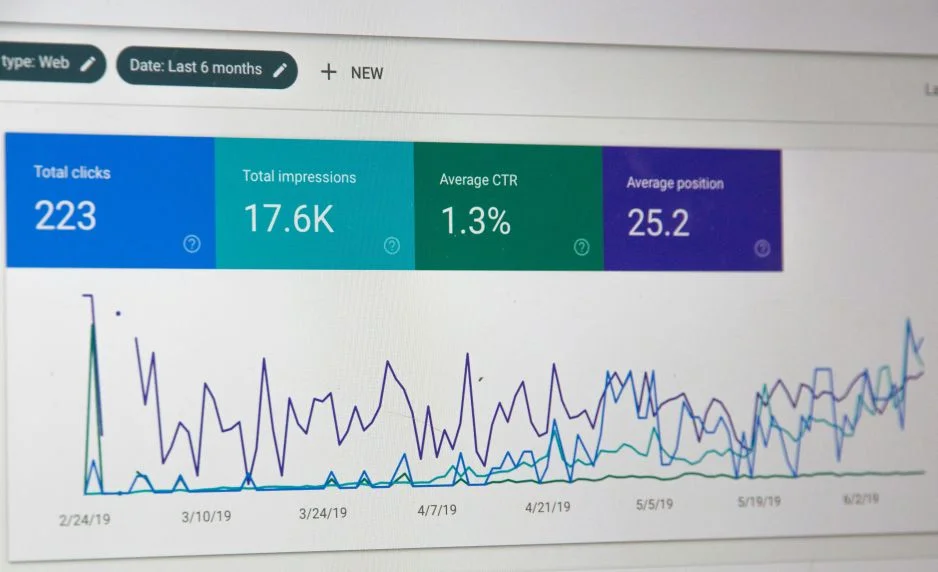
The first thing to do when you notice a drop in rankings is to resist the temptation to make sweeping changes immediately. Acting without understanding the cause can actually make things considerably worse. Before you do anything, you need to gather data. Open Google Search Console and look at your performance report. Check whether the drop is affecting all pages or just specific ones, and look at whether impressions have also fallen or whether your click-through rate has changed. This distinction matters enormously because it tells you very different things about what might be happening.
It is also worth checking tools like Ahrefs or SEMrush to look at your visibility trends over time and cross-reference when the drop began. If you can pinpoint a specific date, that becomes your starting point for everything that follows.
Google Algorithm Updates
One of the most common reasons why rankings drop is a Google algorithm update. Google updates its search algorithm thousands of times per year, with major updates rolling out periodically that can significantly shift rankings across entire industries. If your drop coincides with a confirmed update, then your site has likely been reassessed against Google's evolving quality signals.
You can check the timing of known updates using resources like Moz's Google Algorithm Change History or Google's own ranking updates page. If the dates align, your focus should shift towards understanding what that particular update was targeting. Core updates, for instance, tend to reward sites with genuinely helpful, well-structured, and authoritative content. Helpful Content updates have specifically targeted sites that produce content primarily for search engines rather than real users.
The honest answer here is that if an algorithm update has affected your site, there is no overnight fix. You need to look critically at the quality of your content, the expertise and authority your site demonstrates, and whether your pages genuinely serve the needs of the people visiting them.
Want more insights like this?
Join thousands of marketers getting weekly tips and strategies.
Technical Issues That Can Silently Kill Rankings
Not every ranking drop is about content or links. Sometimes the cause is entirely technical, and these can be particularly difficult to spot without the right tools. A site migration that was not handled correctly, a noindex tag added accidentally to key pages, a robots.txt file blocking crawlers, or a sudden decline in page speed can all cause rankings to fall rapidly.
Check your Google Search Console coverage report to see whether any pages have been excluded or flagged with errors. Look at your Core Web Vitals data too, because Google has made page experience a ranking factor, and a site that loads slowly or shifts around during loading can struggle to compete with faster, more stable alternatives. Tools like PageSpeed Insights will give you an immediate read on how your pages are performing and where improvements are needed.
If you have recently made changes to your site, whether that is a theme update, a platform migration, or structural changes to your URLs, those changes may well be the culprit. Always audit your site thoroughly after any significant technical work.
Lost or Toxic Backlinks
Your backlink profile plays a significant role in how Google perceives the authority of your site. If you have lost a number of strong backlinks, perhaps because a referring site has removed a page, gone offline, or updated their content, your authority can diminish and rankings can follow. Equally, if your site has accumulated low-quality or spammy links over time, a Google update may have penalised you as a result.
Run a backlink audit using a tool like Ahrefs or SEMrush and look at what has changed. If high-quality links have been lost, consider reaching out to those publishers to see whether the links can be reinstated, or focus your efforts on building new, relevant links from authoritative sources. If you spot a cluster of toxic or irrelevant links pointing to your site, you may want to consider using Google's Disavow Tool, though this should be used carefully and only when there is clear evidence of harmful links causing a problem.
Your Competitors Have Improved
Sometimes your own site has done nothing wrong at all. Rankings are relative, and if your competitors have published stronger content, earned more authoritative backlinks, or improved their technical performance, they may simply have overtaken you in the results. This is a perfectly natural part of how search works, but it does mean you need to stay proactive rather than assuming that what worked six months ago will continue to deliver results indefinitely.
Look at the pages that are now outranking you and ask yourself honestly what they are offering that yours is not. Are they more comprehensive? Better structured? Do they include media, data, or expert commentary that adds genuine value? Understanding what Google is currently rewarding for your target queries is essential for knowing where to focus your improvement efforts.
Content That No Longer Meets User Intent
Search intent evolves, and Google gets better over time at understanding what people are actually looking for when they type a query. If your content was written some time ago and the landscape around that topic has changed, your page may no longer align with what Google considers the most relevant and useful result for that search.
Go back through your underperforming pages and consider whether they genuinely answer the current question behind the keyword. If someone searching for a term is now looking for a practical guide and your page offers a brief overview, that misalignment will hurt your rankings. Refreshing and expanding your content, updating outdated information, and restructuring pages to better serve the reader's actual needs can make a meaningful difference.
What To Do Next
If you are asking why your rankings have dropped and what you should do about it, the answer will almost always begin with a structured audit rather than reactive guesswork. Start with your data in Google Search Console, establish when the drop began, and work through the most likely causes methodically. Look at algorithm updates, technical health, your backlink profile, your content quality, and what your competitors are doing differently.
SEO is not a set-and-forget discipline. Rankings fluctuate, search behaviour changes, and Google's understanding of quality continues to evolve. The sites that recover well and build sustainable visibility are the ones that treat SEO as an ongoing process, remaining attentive to changes and willing to invest in genuine quality across their content, their technical foundations, and their authority signals. If your rankings have dropped, it is frustrating, but it is also an opportunity to build something stronger and more resilient than what was there before.
Ian
Ian has worked in Digital Marketing for decades, and is a Google Partner for Google Ads and an expert in onsite and technical SEO. He has worked with hundreds of clients, helping them achieve success online, through SEO, PPC and Digital Marketing, working with local businesses through to national retailers.
View all posts →Related Articles

Why Rankings Are A Poor Way To Measure Your SEO Campaign Success Rate
Too many people still rely on the tracking of keywords to rate their campaign, which as we go onto discuss, is not the best way of judging the success and effectiveness of your campaign.

The Link Building Mistakes That Will Catch You In The End
Links are still a fundamental part of SEO and improving rankings in the search engines and even though more emphasis than ever has been placed on how good and optimised your website is, link building is simply something that cannot be overlooked if you want long term success.
Why CRO Is Now As Important For SEO Than Ever Before
For years, the digital marketing world treated conversion rate optimisation (CRO) and search engine optimisation (SEO) as separate disciplines. SEO focused on driving traffic, CRO focused on convertin...