How To Use LinkedIn To Generate Leads For A B2B Business
LinkedIn is one of those platforms that businesses sign up to, post occasionally, and then largely ignore whilst wondering why it is not delivering any results. The reality is that LinkedIn, when used...
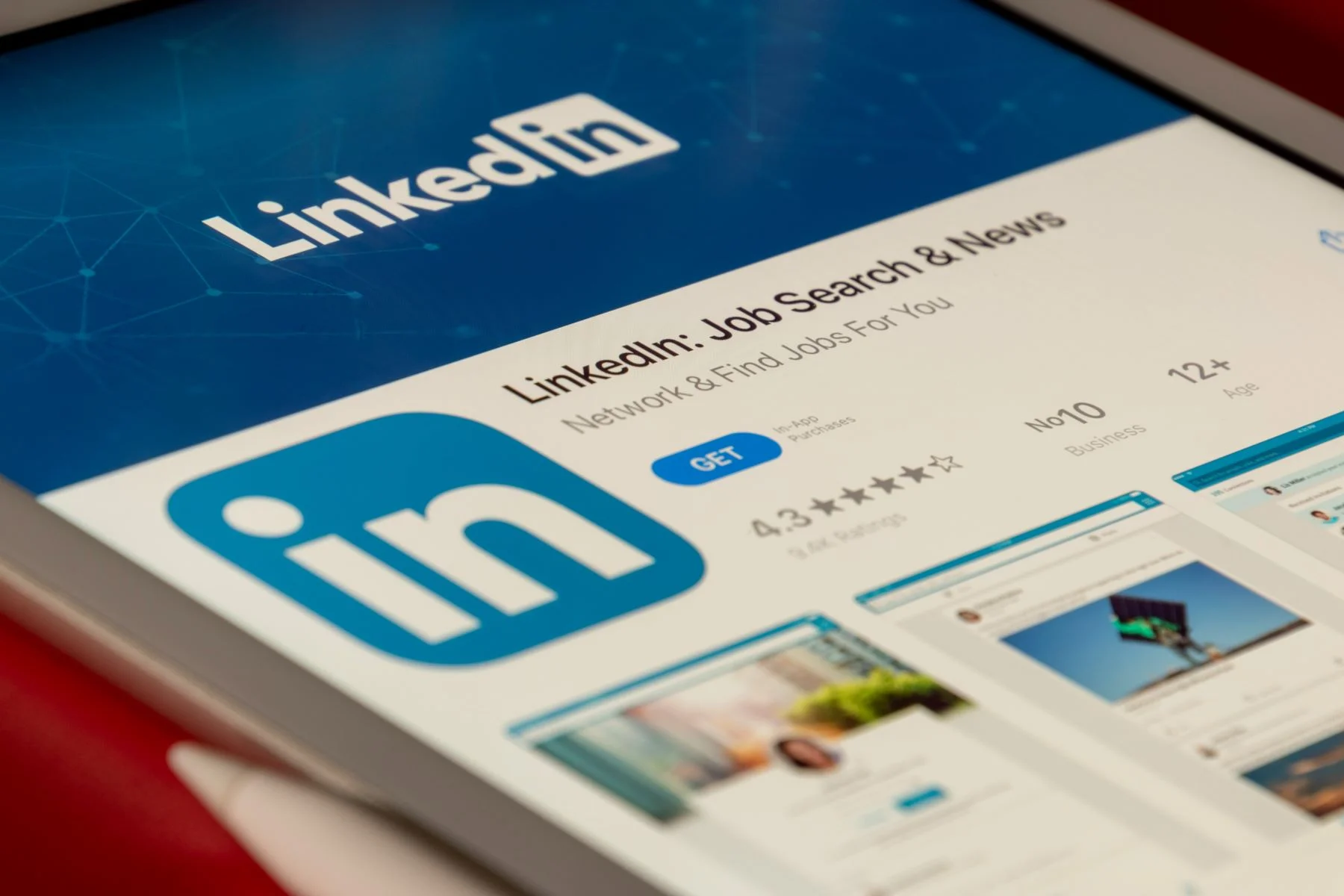
LinkedIn is one of those platforms that businesses sign up to, post occasionally, and then largely ignore whilst wondering why it is not delivering any results. The reality is that LinkedIn, when used with genuine intent and a clear strategy, is one of the most powerful tools available for B2B lead generation. It sits in a unique position in the social media landscape because its entire user base is made up of professionals who are actively thinking about business, which means the mindset of the people you are reaching is already aligned with commercial conversations. If you are serious about learning how to use LinkedIn to generate leads for a B2B business, then this guide is going to walk you through exactly what you need to be doing and, just as importantly, what you need to stop doing.
Optimise Your Profile Before You Do Anything Else
Before you send a single connection request or post a single piece of content, your LinkedIn profile needs to be in a position where it does the heavy lifting for you. Think of your profile as your digital storefront. If someone lands on it and cannot immediately understand what you do, who you help, and why they should care, they will click away and you have lost that opportunity before the conversation even started.
Your headline should go beyond your job title. Instead of something generic like "Managing Director at XYZ Ltd", use the space to communicate value, such as "Helping B2B companies generate qualified pipeline through LinkedIn and content strategy". Your summary section should speak directly to your ideal client, addressing their challenges and positioning you as the person who understands and solves them. Make sure your profile photo is professional, your banner image is branded and purposeful, and your featured section showcases relevant work, case studies, or content that builds credibility.
What to action here: Revisit your headline, summary, and featured section with fresh eyes. Ask yourself whether someone landing on your profile for the first time would immediately understand the value you bring and feel compelled to connect with you.
Build a Connection Strategy That Actually Makes Sense
One of the biggest mistakes people make on LinkedIn is connecting with anyone and everyone without any real thought behind it. Growing a network of thousands of loosely relevant connections might feel productive, but it rarely translates into meaningful lead generation. A more considered approach is to identify the specific types of people you want to be in front of, whether that is by job title, industry, company size, or geography, and then build your network with those people in mind.
When you send a connection request, always include a personalised message. It does not need to be lengthy or overly formal, but it should feel like it was written for that individual rather than copied and pasted across a hundred requests. Reference something specific, a piece of content they posted, a mutual connection, or a genuine observation about their business. People can tell the difference between authentic outreach and a generic template, and that difference matters enormously when you are trying to start a professional relationship.
What to action here: Define your ideal connection profile clearly before you begin outreach. Spend time crafting a short, personalised message template that you can adapt for each individual rather than sending identical notes to everyone.
Want more insights like this?
Join thousands of marketers getting weekly tips and strategies.
Use Content to Build Authority and Stay Visible
Content is the engine of LinkedIn lead generation. Without it, you are essentially invisible to the people who have not already connected with you, and even to those who have, because LinkedIn's algorithm rewards accounts that post consistently and generate engagement. The goal of your content should not be to sell directly but to demonstrate expertise, share perspective, and give your audience a reason to trust your judgement.
Consider sharing insights from your industry, commentary on trends that affect your target clients, lessons learned from working with businesses in your sector, and practical advice that showcases your thinking. A well-constructed post that genuinely helps someone understand a challenge they are facing is worth far more than a dozen promotional announcements. LinkedIn also rewards content that generates comments and conversation, so writing posts that invite a response, whether through a question, a counterintuitive point, or a clear opinion, will extend your reach considerably.
LinkedIn's own publishing platform, LinkedIn Pulse, allows you to publish longer-form articles directly on the platform, which can further establish your authority and appear in search results both within LinkedIn and via Google.
What to action here: Commit to a content schedule that is realistic and sustainable. Posting three times per week with strong, valuable content will outperform posting daily with material that has no depth or relevance to your audience.
Engage Genuinely With Other People's Content
Lead generation on LinkedIn is not a one-way broadcast. The accounts that generate the most consistent pipeline are those that participate actively in the conversations happening around them. Commenting thoughtfully on posts from prospects, partners, and industry figures puts you in front of their networks, builds familiarity with people who may not yet follow you, and signals to the algorithm that you are an active and engaged user.
The key word here is thoughtfully. A comment that simply says "great post" adds nothing and is largely ignored. A comment that adds a different perspective, shares a relevant experience, or asks a considered question is the kind of contribution that makes people want to visit your profile and find out more about you. That curiosity is exactly the top of the funnel you are trying to create.
What to action here: Set aside time each day to engage meaningfully with the content of at least five to ten people in your target audience. Treat it as a non-negotiable part of your LinkedIn activity rather than something you do when you have spare time.
Use LinkedIn Sales Navigator for Precision Targeting
For businesses that are serious about using LinkedIn for B2B lead generation at scale, LinkedIn Sales Navigator is a tool worth understanding. It offers a significantly more powerful search and filtering capability than the standard free account, allowing you to identify prospects by a wide range of criteria including seniority, department, company revenue, and recent job changes.
The job change filter, in particular, is a genuinely useful signal. When someone moves into a new role, they are often in a position where they are reviewing existing suppliers, reconsidering processes, and looking for solutions to establish themselves in their new position. Being in front of them at that moment, with a relevant and helpful message, is one of the most effective ways to start a commercial conversation.
What to action here: If you are spending significant time on LinkedIn for lead generation, evaluate whether Sales Navigator is the right investment for your business. Use the advanced search filters to build targeted lists of prospects and approach each one with a message that is specific to their context.
Move Conversations Off the Platform at the Right Moment
LinkedIn is where the relationship begins, but it is rarely where the deal is done. Once you have built some rapport with a prospect through content engagement, message exchanges, and genuine interaction, the next step is to move the conversation into a format that allows for a deeper discussion, whether that is a phone call, a video meeting, or an email exchange. The timing of this matters. Pushing too early for a sales meeting before any trust has been established is one of the most common ways people damage promising LinkedIn connections. Waiting too long and never making the ask means the relationship stays warm but never converts.
A useful approach is to offer something of genuine value as the bridge between a LinkedIn conversation and a live discussion. An audit, a strategic review, a free consultation, or a piece of tailored insight gives the prospect a clear reason to take the next step without feeling like they are being sold to.
What to action here: Map out your LinkedIn outreach journey from initial connection through to meeting request. Identify the point at which it is natural and appropriate to suggest a conversation and have a clear value proposition ready that makes saying yes easy.
Bringing It All Together
Knowing how to use LinkedIn to generate leads for a B2B business is not about finding a single tactic or shortcut. It is about building a presence that is consistent, credible, and genuinely useful to the people you want to work with. From a well-optimised profile to a considered content strategy, from thoughtful engagement to precise outreach, every element works together to create a pipeline of qualified prospects who already understand what you do and trust your expertise before you have even spoken to them. That is the real power of LinkedIn, and it is available to any business willing to invest the time and effort to do it properly.
Ian
Ian has worked in Digital Marketing for decades, and is a Google Partner for Google Ads and an expert in onsite and technical SEO. He has worked with hundreds of clients, helping them achieve success online, through SEO, PPC and Digital Marketing, working with local businesses through to national retailers.
View all posts →Related Articles

How Facebook Can Drive Sales For Your Ecommerce Business
Facebook isn't just where your customers scroll through holiday photos and share memes. With over 2.9 billion active users globally, it's become one of the most powerful sales engines for ecommerce bu...

Best Platforms For Managing Social Media Advertising Campaigns
The best platforms for managing social media advertising campaigns don't just consolidate your workflow; they transform how you approach paid social strategy entirely.

The Content That Works Best For Your Business On Social Media
In the world of social media marketing, creating content that actually moves the needle for your business isn't about following every trend or copying what works for others.