
How To Improve Your Product Listings To Get More Sales
In the crowded world of ecommerce, your product listings are often the make-or-break moment between a browser and a buyer.

In the crowded world of ecommerce, your product listings are often the make or break moment between a browser and a buyer. Whilst many retailers focus heavily on driving traffic to their stores, the real magic happens when potential customers land on your product pages. If your listings aren't optimised for conversions, you're essentially inviting people to a party and then showing them the door.
The difference between a high-converting product listing and one that sends customers running to competitors often comes down to the details. From the quality of your images through to the way you structure your product descriptions, every element plays a crucial role in guiding visitors towards that all-important purchase decision.
Optimise Your Product Images for Maximum Impact
Product images are the closest thing to a physical touch your online customers will get. Poor quality, unclear, or insufficient images are conversion killers that can destroy even the most compelling product descriptions. Your primary image needs to show the product clearly against a clean background, but this is just the starting point.
Include multiple angles, close-up shots of important details, and images showing the product in use or context. If you're selling clothing, show it being worn. If it's a kitchen gadget, demonstrate it in action. Size reference shots with common objects can help customers understand scale, particularly important for items that might be smaller or larger than expected.
Try to add at least five high-resolution images per product, including one lifestyle shot and one detail close-up. Test different primary images to see which generates more clicks and conversions.
Write Product Titles That Convert
Your product title serves multiple masters: it needs to appeal to search engines, grab customer attention, and convey essential information all within a limited character count. The most effective product titles follow a clear hierarchy of information, starting with the most important details first.
Begin with your brand name if it carries weight with your target audience, followed by the core product name, key features, and specific details like size, colour, or model number. Avoid stuffing titles with unnecessary keywords that make them difficult to read. Remember, real people need to understand and want to click on these titles.
Want more insights like this?
Join thousands of marketers getting weekly tips and strategies.
Over time, test shorter versus longer titles for your product categories. Some products benefit from detailed titles, whilst others perform better with concise, punchy headlines that let the images do the talking.
Craft Compelling Product Descriptions
Generic, manufacturer-provided descriptions are missed opportunities waiting to happen. Your product descriptions should speak directly to your target customer's needs, concerns, and desires. Instead of simply listing features, focus on benefits and how the product solves specific problems or improves the customer's life.
Structure your descriptions with scannable formatting using bullet points for key features, short paragraphs for easy reading, and clear headings for different sections. Address common questions and concerns proactively. If customers frequently ask about sizing, durability, or compatibility, make sure this information is prominent and clear.
Use sensory language where appropriate. Instead of "soft fabric," try "luxuriously soft cotton that feels gentle against skin." Help customers imagine owning and using your product through vivid, specific descriptions that go beyond basic specifications.
Periodically, review your product descriptions and replace at least three generic features with specific benefits that address customer pain points or desires.
Leverage Social Proof and Reviews
Customer reviews and ratings provide the social proof that hesitant buyers need to feel confident about their purchase decisions. Products with reviews consistently outperform those without, but simply having reviews isn't enough. You need to actively manage and optimise this social proof.
Encourage reviews from satisfied customers through follow-up emails, but make sure your process feels natural rather than pushy. Display review averages prominently and showcase detailed reviews that mention specific benefits or use cases. Don't hide from negative reviews; instead, respond professionally and use feedback to improve your products and listings.
Consider including user-generated content like customer photos showing your products in real-world settings. These authentic images often convert better than professional product shots because they help other customers visualise themselves using the product.
Create a systematic review collection process and respond to all reviews, positive and negative, within 48 hours to show you value customer feedback.
Optimise Your Pricing Strategy
Price presentation can significantly impact conversion rates, often more than the actual price itself. If you're running promotions, make the savings clear and prominent. Show the original price alongside the discounted price, and consider displaying the percentage or pound amount saved.
For products where price might be a barrier, consider offering payment options like buy-now-pay-later services or highlighting cost-per-use calculations that demonstrate value. If your prices are higher than competitors, justify this through quality, service, or unique features rather than trying to hide the cost.
Bundle pricing can increase average order values whilst providing genuine value to customers. Create logical product combinations that solve complete problems or enhance the main product's functionality.
A/B test different ways of displaying your prices and promotions, including positioning savings information above or below the main price.
Streamline the Path to Purchase
Every additional click or form field between your customer and checkout is another opportunity for them to abandon their purchase. Your product listings should make buying as frictionless as possible whilst still collecting the information you need.
Ensure your "Add to Basket" buttons are prominent, clearly labelled, and consistently positioned. Provide clear information about shipping costs, delivery timeframes, and return policies before customers reach checkout. Unexpected costs or terms at the final stage are major conversion killers.
Consider implementing features like one-click purchasing for returning customers or guest checkout options for those who don't want to create accounts immediately.
Ian
Ian has worked in Digital Marketing for decades, and is a Google Partner for Google Ads and an expert in onsite and technical SEO. He has worked with hundreds of clients, helping them achieve success online, through SEO, PPC and Digital Marketing, working with local businesses through to national retailers.
View all posts →Related Articles

Where To List Your Products For Sale To Gain More Customers
In today's competitive digital landscape, knowing where to list your products for sale to gain more customers can make the difference between a thriving business and one that struggles to find its aud...

Is Digital Marketing A Good Career
There are very few industries that have transformed as rapidly as digital marketing, and when it comes to career opportunities, I am a true believer that digital marketing offers one of the most dynam...
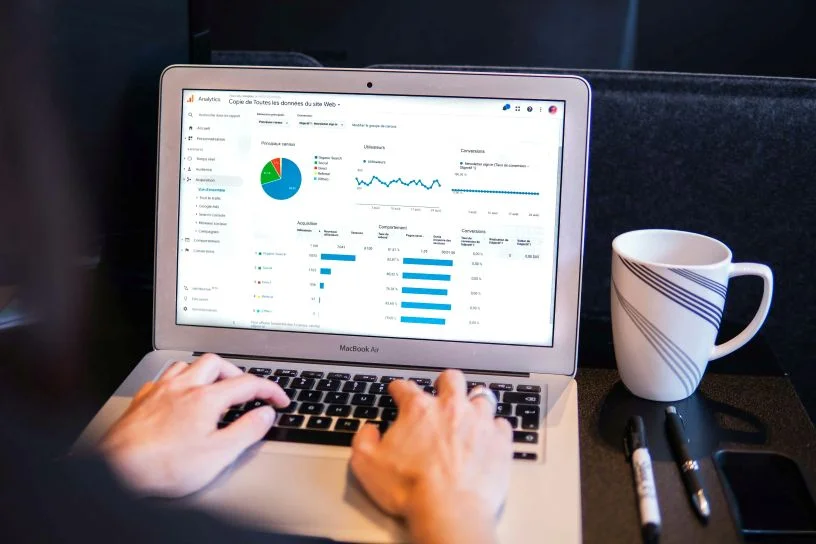
Is GA4 Really That Much Of An Improvement On The Previous Google Analytics
Google Analytics 4 has been with us for a while now, and yet the question still lingers in many marketers' minds: is GA4 really that much of an improvement on the previous Google Analytics? Having wor...