What Is A CRM And Does Your Small Business Actually Need One
If you have been running a small business for any length of time, you have almost certainly come across the term CRM at some point, whether it was mentioned by a consultant, thrown around in a marketi...
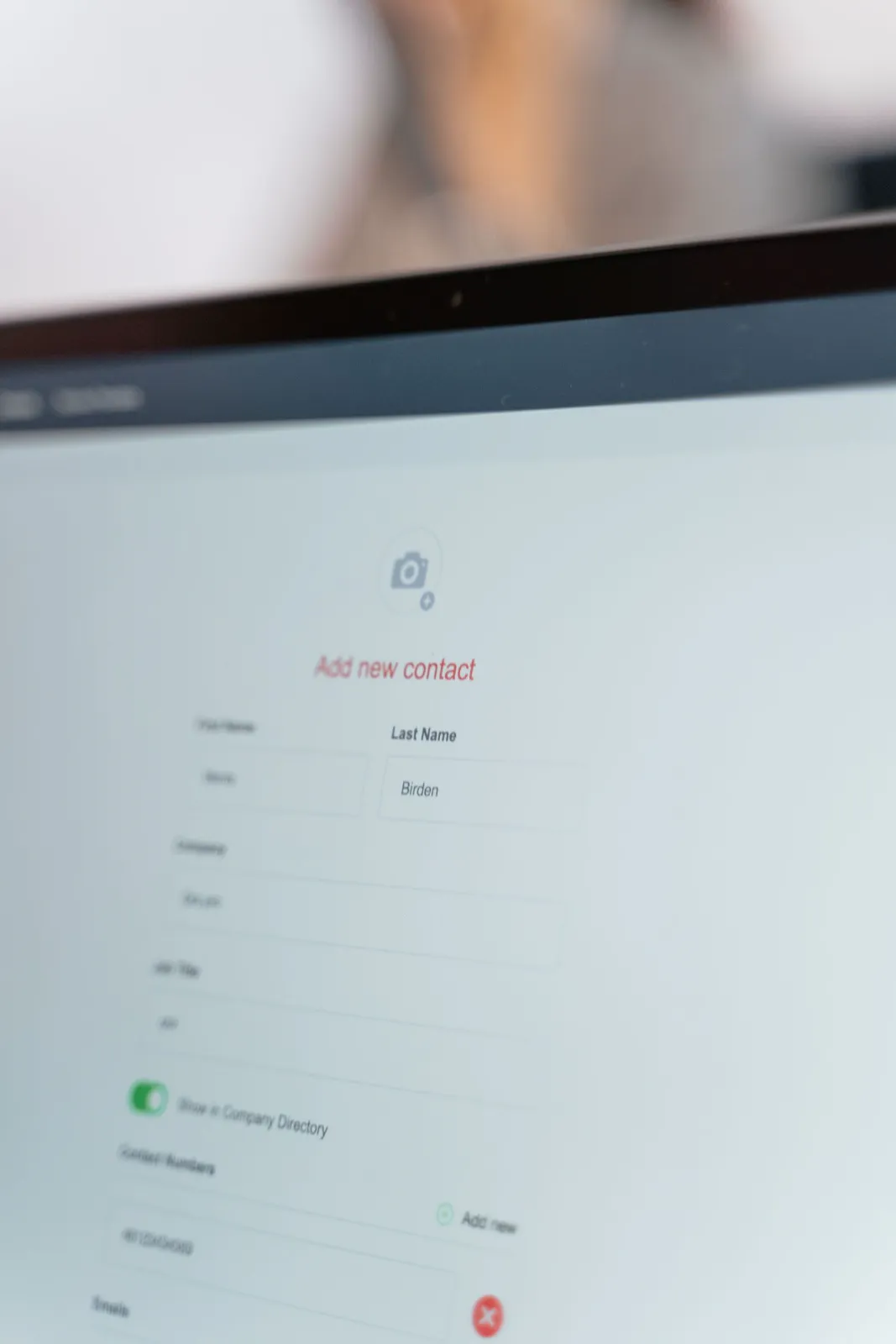
If you have been running a small business for any length of time, you have almost certainly come across the term CRM at some point, whether it was mentioned by a consultant, thrown around in a marketing article, or suggested by a software salesperson keen to get your attention. But what is a CRM and does your small business actually need one? That is a question worth taking the time to answer properly, because investing in the wrong tools at the wrong time can cost you far more than money. It can cost you focus, and for a small business owner, focus is everything.
What A CRM Actually Is
CRM stands for Customer Relationship Management. At its core, a CRM is a system that helps you store, organise and manage information about your customers and leads, all in one place. Rather than keeping contact details scattered across spreadsheets, inboxes, sticky notes and memory, a CRM brings everything together so that you and your team have a single, clear view of each customer relationship.
Most modern CRM platforms go well beyond simple contact storage. They allow you to track conversations, log sales activity, manage follow-up tasks, monitor where prospects are in your sales pipeline, and in many cases, automate repetitive communications. Platforms like Salesforce, HubSpot and Zoho CRM are among the most widely used, each offering different features and pricing structures depending on the size and needs of your business.
The Problem Small Businesses Are Trying To Solve
Before you decide whether a CRM is right for you, it is worth identifying the actual problem you are trying to solve. Many small business owners reach for a CRM because they feel disorganised, but disorganisation alone is not always a reason to invest in new software. Sometimes a more disciplined process or a simpler tool will do the job just as well.
That said, there are very specific situations where a CRM becomes not just useful but genuinely necessary. If you are losing track of leads because there are too many to manage manually, if customers are falling through the cracks because nobody followed up in time, or if your sales process has grown complex enough that different people in your team need visibility of the same conversations, then the case for a CRM starts to become very compelling indeed.
Want more insights like this?
Join thousands of marketers getting weekly tips and strategies.
Signs Your Small Business Could Benefit From A CRM
It is worth being honest with yourself about where your current processes are letting you down. Some of the clearest signs that a CRM would add real value include the following situations.
You regularly forget to follow up with potential customers and lose business as a result.
Your team has no shared view of customer history, meaning different people repeat the same conversations.
You rely on a spreadsheet to manage your pipeline, but it is becoming unwieldy and unreliable.
You have no way of knowing at a glance which leads are warm, which are cold, and which need urgent attention.
Your customer data is spread across multiple tools, inboxes and devices with no central record.
If several of these resonate with you, then a CRM is likely to make a meaningful difference to the way your business operates. If none of them apply, you may not need one yet, and that is absolutely fine.
When A CRM Might Be Unnecessary
Not every small business needs a CRM, and it is important to be clear about that. If you have a very small number of clients, a straightforward service offering, and a single point of contact managing all customer communication, a CRM may simply add complexity without adding value. In those circumstances, a well-maintained spreadsheet or even a tool like Google Workspace combined with a shared inbox can be entirely sufficient.
The mistake many small business owners make is adopting software because it feels like the professional thing to do, rather than because it solves a genuine operational problem. A CRM that nobody uses properly is worse than no CRM at all, because it gives a false sense of organisation whilst the real problems continue underneath.
Choosing The Right CRM For A Small Business
If you have decided that a CRM is the right move, choosing the right one matters enormously. The temptation is to go straight for the most feature-rich platform available, but for most small businesses, simplicity and ease of adoption should be the primary criteria. A CRM that your team actually uses consistently will always outperform a sophisticated platform that gathers dust.
HubSpot offers a genuinely capable free tier that is well suited to small businesses just getting started with CRM. Zoho CRM is another strong option with flexible pricing. If you are in a trade or service-based business, sector-specific CRMs designed for your industry may serve you better than a general-purpose tool.
Before committing to any platform, take advantage of free trials, involve the people who will use it daily in the decision, and make sure the system integrates with the other tools your business already relies on, whether that is your email platform, your accounting software, or your marketing tools.
Making A CRM Work For You
Buying a CRM is only the beginning. The businesses that get real value from these platforms are the ones that invest time upfront in setting up their pipeline correctly, training their team properly, and establishing clear processes for how and when the system gets updated. A CRM is only as good as the data you put into it, and that discipline has to come from you and your team, not the software itself.
So, what is a CRM and does your small business actually need one? It is a tool that, in the right circumstances, can genuinely transform the way you manage customer relationships and grow your business. But whether it is right for you depends entirely on the specific challenges you are facing right now. Assess your current process honestly, identify where the real gaps are, and make the decision based on your actual needs rather than on trend or expectation. Get that part right, and a CRM can be one of the most valuable investments your business makes.
Ian
Ian has worked in Digital Marketing for decades, and is a Google Partner for Google Ads and an expert in onsite and technical SEO. He has worked with hundreds of clients, helping them achieve success online, through SEO, PPC and Digital Marketing, working with local businesses through to national retailers.
View all posts →Related Articles

Where To List Your Products For Sale To Gain More Customers
In today's competitive digital landscape, knowing where to list your products for sale to gain more customers can make the difference between a thriving business and one that struggles to find its aud...

Is Digital Marketing A Good Career
There are very few industries that have transformed as rapidly as digital marketing, and when it comes to career opportunities, I am a true believer that digital marketing offers one of the most dynam...
Is GA4 Really That Much Of An Improvement On The Previous Google Analytics
Google Analytics 4 has been with us for a while now, and yet the question still lingers in many marketers' minds: is GA4 really that much of an improvement on the previous Google Analytics? Having wor...