
Why Reviews Matter More In 2026 Than Ever Before
In the world of online business and digital commerce, customer reviews have always carried weight, but as we move into 2026, their influence has reached unprecedented levels. The digital landscape has...

In the world of online business and digital commerce, customer reviews have always carried weight, but as we move into 2026, their influence has reached unprecedented levels. The digital landscape has shifted dramatically, and what once might have been considered a nice to have feature for your business has now become an absolute necessity for survival and growth.
The relationship between businesses and their customers has fundamentally changed. Social media platforms, review aggregators like Trustpilot and Google My Business, and the rise of conscious consumerism have created an environment where a single review can make or break a purchasing decision. If you're still treating reviews as an afterthought, you're potentially missing out on one of the most powerful tools for building trust, driving conversions, and establishing long-term brand loyalty.
Understanding why reviews matter more in 2026 requires looking at the bigger picture of consumer behaviour, technological advancement, and the evolving expectations of modern buyers. Here's what every business owner and marketing professional needs to know about the critical role reviews play in today's marketplace.
The Trust Economy Has Reached Maturity
Consumer trust isn't built the same way it was even five years ago. Traditional advertising and marketing messages are met with increasing scepticism, whilst authentic customer voices carry exponentially more weight. Research consistently shows that over 90% of consumers read reviews before making a purchase decision, but what's changed in 2026 is the sophistication with which people evaluate and interpret these reviews.
Modern consumers don't just look at star ratings anymore. They analyse review patterns, look for specific details about product performance, and actively seek out negative reviews to understand potential drawbacks. This means that businesses with comprehensive review profiles, including both positive and constructively critical feedback, often outperform those with sparse or overly positive review collections.
Algorithm Prioritisation Across All Platforms
Want more insights like this?
Join thousands of marketers getting weekly tips and strategies.
Search engines and social media platforms have become increasingly sophisticated at identifying and prioritising businesses with strong review signals. Google's local search algorithm, for instance, heavily weights review quantity, quality, and recency when determining local business rankings. Similarly, e-commerce platforms like Amazon use review metrics as primary factors in product visibility and recommendation algorithms.
What many businesses fail to realise is that reviews impact visibility across multiple touchpoints simultaneously. A restaurant with consistent positive reviews won't just rank higher in Google Maps; they'll also appear more frequently in social media feeds, delivery app suggestions, and third-party recommendation systems.
The compound effect of this algorithmic preference means that businesses with strong review profiles enjoy exponential visibility advantages over competitors with weaker review foundations.
Social Proof Drives Conversion Like Never Before
The psychology of social proof has been amplified by digital connectivity and the overwhelming choice available to modern consumers. When faced with dozens of similar options, reviews serve as the primary differentiator that guides decision-making processes.
Product reviews specifically have become detailed research resources. Customers rely on fellow buyers to provide insights about sizing, durability, performance, and value that traditional product descriptions simply cannot convey. This peer-to-peer information exchange has created a new form of social commerce where authentic experiences drive purchasing behaviour more effectively than traditional marketing.
Business reviews operate similarly, helping potential customers understand service quality, reliability, and overall experience before committing to a purchase. The emotional connection created by reading about similar customers' positive experiences triggers psychological responses that drive conversion rates significantly higher than businesses without strong review presence.
Brand Awareness Through Authentic Storytelling
Customer reviews have evolved into one of the most powerful brand awareness tools available. Each review tells a story about your business, product, or service from a customer's perspective, creating authentic narratives that resonate with potential buyers far more effectively than traditional brand messaging.
These authentic stories serve multiple purposes simultaneously. They provide social proof, address common objections, highlight unique selling points, and create emotional connections with prospects. When customers read detailed reviews that mirror their own needs and concerns, they develop confidence and familiarity with your brand before ever making direct contact.
The cumulative effect of multiple authentic customer stories creates a comprehensive brand narrative that builds awareness and trust organically. This user-generated content becomes a valuable asset that continues working for your business long after the initial review is posted.
Competitive Advantage in Crowded Markets
Market saturation across virtually every industry means that product quality and pricing alone are no longer sufficient differentiators. Reviews provide the competitive edge that helps businesses stand out in crowded marketplaces by showcasing real customer satisfaction and building credibility that competitors without strong review profiles simply cannot match.
The businesses that succeed in 2026 are those that have recognised reviews as a strategic asset requiring active management and cultivation. They understand that consistent positive reviews create barriers to entry for competitors and provide sustainable competitive advantages that are difficult to replicate quickly.
Online reviews also provide valuable market intelligence about competitor strengths and weaknesses, customer preferences, and emerging trends that can inform business strategy and product development decisions.
The importance of reviews in 2026 extends far beyond simple customer feedback. They've become integral to search visibility, conversion optimisation, brand building, and competitive positioning. Businesses that treat reviews as a strategic priority and invest in systematic review generation and management will continue to outperform those that don't. The question isn't whether reviews matter, but whether you're prepared to make them a cornerstone of your business growth strategy.
Ian
Ian has worked in Digital Marketing for decades, and is a Google Partner for Google Ads and an expert in onsite and technical SEO. He has worked with hundreds of clients, helping them achieve success online, through SEO, PPC and Digital Marketing, working with local businesses through to national retailers.
View all posts →Related Articles

Where To List Your Products For Sale To Gain More Customers
In today's competitive digital landscape, knowing where to list your products for sale to gain more customers can make the difference between a thriving business and one that struggles to find its aud...

Is Digital Marketing A Good Career
There are very few industries that have transformed as rapidly as digital marketing, and when it comes to career opportunities, I am a true believer that digital marketing offers one of the most dynam...
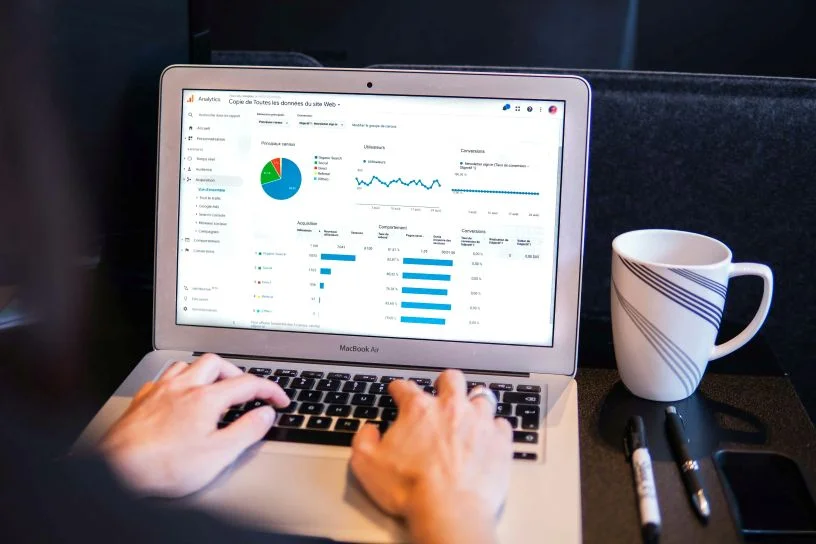
Is GA4 Really That Much Of An Improvement On The Previous Google Analytics
Google Analytics 4 has been with us for a while now, and yet the question still lingers in many marketers' minds: is GA4 really that much of an improvement on the previous Google Analytics? Having wor...