Do Birthday And Anniversary Emails Actually Work
There is a moment in every email marketer's journey where they ask themselves whether the effort of setting up automated lifecycle emails is genuinely worth it, or whether it simply ad...
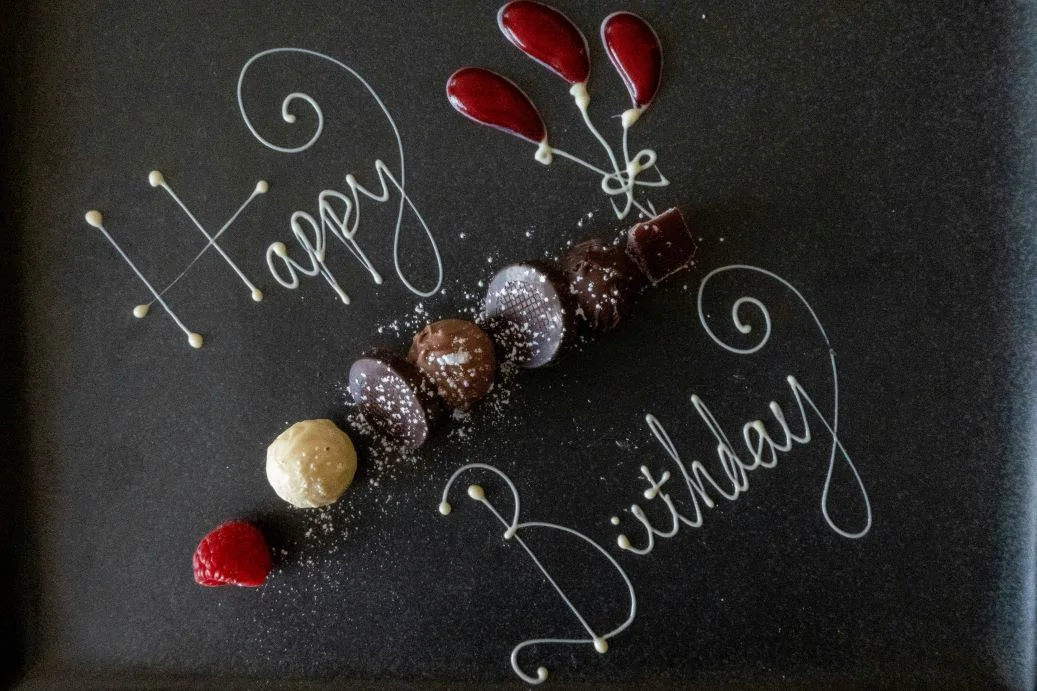
There is a moment in every email marketer's journey where they ask themselves whether the effort of setting up automated lifecycle emails is genuinely worth it, or whether it simply adds noise to an already overcrowded inbox. Birthday and anniversary emails sit right at the heart of that question. On the surface, they can feel a little gimmicky, a little formulaic, and perhaps even a little hollow. But when done well, these messages tap into something very real in consumer psychology, and the results can be genuinely meaningful for your business.
So, do birthday and anniversary emails actually work? The honest answer is that it entirely depends on how you approach them. Used thoughtfully, they can strengthen customer relationships, drive repeat purchases, and make your brand feel genuinely human. Used lazily, they become just another email that gets deleted without a second glance.
Why Triggered Lifecycle Emails Have a Place in Your Strategy
Email marketing has evolved considerably over the past decade. The days of blasting the same message to your entire list and hoping for the best are largely behind us, at least for marketers who are paying attention. Personalisation has become central to effective email communication, and birthday and anniversary emails are, at their core, a form of personalisation that requires very little data to execute.
All you typically need is a date. That simplicity is part of their appeal. Unlike complex behavioural triggers that require sophisticated tracking and segmentation, a birthday email just needs a date of birth collected at sign-up or during checkout. The same applies to anniversary emails, whether you are marking a customer's first year with your brand, a subscription renewal date, or a loyalty programme milestone. The low barrier to entry makes these campaigns accessible to businesses of almost any size, from independent retailers through to large e-commerce operations.
Platforms such as Mailchimp, Klaviyo, and ActiveCampaign all offer automation tools that make it straightforward to build these sequences without needing to manually send each email. Once the automation is live, it works quietly in the background, reaching customers at exactly the right moment without any ongoing manual effort.
The Psychology Behind the Moment
Want more insights like this?
Join thousands of marketers getting weekly tips and strategies.
Understanding why these emails can be effective means understanding a little about human behaviour. Birthdays and anniversaries carry emotional weight. They are moments when people feel slightly more receptive to attention and celebration, and when a brand acknowledges that moment, even in a small way, it creates a positive association that goes beyond the purely transactional.
This is not about manipulation. It is about recognising that people do not experience brands in a purely logical way. Emotion plays a significant role in purchasing decisions, and a well-timed, warm, and genuinely generous email lands very differently than a routine promotional message. If your birthday email arrives with a meaningful discount or a small gift, the customer is not just receiving a financial incentive; they are receiving a signal that your brand sees them as an individual rather than an entry on a spreadsheet.
Anniversary emails work in a similar way, particularly when they acknowledge a milestone in the customer's relationship with your business. A message that says, in effect, "we noticed that it has been a year since you joined us, and we want to say thank you" is a very different communication to a generic sale announcement. It creates context, and context builds loyalty.
What Makes a Birthday or Anniversary Email Actually Perform
The difference between an email that drives action and one that gets ignored almost always comes down to execution. There are several elements that consistently separate effective lifecycle emails from forgettable ones.
The offer needs to feel genuinely valuable. A token discount that barely moves the needle will not inspire a customer to act. If you are going to use an incentive, make it feel like a real gift rather than a marketing afterthought. Consider whether a percentage discount, a free product, free shipping, or a loyalty point bonus is the most compelling option for your particular audience.
The timing matters more than many marketers realise. A birthday email that arrives on the day itself has a very different feel to one that arrives a week before. Both approaches can work, but they serve different purposes. An early email gives the customer time to plan a purchase, which can be useful for higher-value products. A same-day email feels more personal and celebratory. Testing both approaches and analysing the engagement data will tell you which resonates better with your specific audience.
The tone needs to feel warm without being overly familiar. There is a balance to strike here. You want the email to feel personal and celebratory, but you also want to maintain the brand voice that your customers recognise. An email that feels artificially cheerful or that uses excessive exclamation marks can actually undermine the sense of genuine connection you are trying to create.
The design should support the message. Bright, celebratory visuals can work well for birthday emails, but they need to be on-brand. An anniversary email might call for something slightly more refined and sincere. Whatever the visual approach, make sure the call to action is clear and the path to redemption is simple. Any friction between the email and the point of conversion will cost you.
Collecting the Right Data
None of this works without the underlying data, and that means being thoughtful about how and when you collect it. Asking for a date of birth at the point of sign-up is often the most natural moment, but you can also collect this information through preference centres, loyalty programme registrations, or post-purchase surveys. The key is to make the request feel relevant and to be transparent about how the information will be used. Telling a customer that you will send them something special on their birthday is itself a small incentive to share that data.
Are They Worth the Setup Time
For most businesses operating in e-commerce, retail, or subscription services, the answer is yes. The initial setup investment in building the automation, crafting the copy, and designing the template is a one-time effort that continues to deliver returns month after month. Once the workflow is running, each email is essentially a passive touchpoint that keeps your brand in a customer's life at a moment when they are particularly open to it.
Birthday and anniversary emails are not a magic solution, and they will not rescue a broader email strategy that lacks direction or relevance. But as part of a well-considered lifecycle marketing programme, they earn their place. They remind customers that your brand values the relationship, not just the transaction, and in a landscape where competition for attention is fierce, that kind of human connection is genuinely difficult to replicate through other channels.
If you have not yet set up these automations, it is worth making them a priority. Start simple, test your approach, and refine based on what your data tells you. The effort is modest; the long-term benefit to customer retention and brand loyalty can be considerable.
Ian
Ian has worked in Digital Marketing for decades, and is a Google Partner for Google Ads and an expert in onsite and technical SEO. He has worked with hundreds of clients, helping them achieve success online, through SEO, PPC and Digital Marketing, working with local businesses through to national retailers.
View all posts →Related Articles
6 Simple Ways To Boost Your Mailing List
As more and more business come back to the realisation that email marketing, if done correctly, still works, the power of making it successful is through relevant subscribers and constantly growing them to expand your reach.
Guide To Email Marketing In 2026
Email marketing in 2026 isn't just about sending newsletters and hoping for the best. The landscape has evolved dramatically, with AI-powered personalisation, privacy regulations, and shifting consume...
Why Email Marketing Can Still Be A Powerful Source Of Leads
In a world dominated by flashy social media campaigns and cutting-edge marketing automation, email marketing might seem as outdated as a the first mobile phone. Yet, it can still work.