
How To Create A Post Purchase Email Sequence That Drives Repeat Sales
Most businesses put a significant amount of time, energy, and budget into acquiring new customers, and then, once that first purchase is made, they go almost completely silent. It is o...
Most businesses put a significant amount of time, energy, and budget into acquiring new customers, and then, once that first purchase is made, they go almost completely silent. It is one of the most common and costly oversights in digital marketing, and the good news is that it is entirely avoidable. A well-constructed post purchase email sequence is one of the most effective tools you have for turning a one-time buyer into a loyal, repeat customer. If you are not already using one, or if the sequence you have in place feels more like an afterthought than a strategy, this guide will walk you through exactly how to build one that genuinely drives repeat sales.
Why The Post Purchase Window Matters So Much
The period immediately after a customer completes a purchase is arguably the most valuable moment in your entire marketing funnel. Their trust in your brand is at its highest, their experience with you is fresh in their mind, and they are genuinely open to hearing from you. Compared to cold outreach or even retargeting campaigns aimed at prospective buyers, post purchase emails tend to see far stronger engagement because the relationship is already established.
The challenge is that this window does not stay open indefinitely. If you wait too long, or if your follow-up communications feel generic and disconnected from what the customer actually bought, that momentum quickly fades. The goal is to build a sequence that feels like a natural continuation of the buying experience, rather than a separate marketing push bolted on afterwards.
Start With A Genuine Confirmation Email, Not Just A Receipt
The order confirmation is the first email in your post purchase sequence, and most brands use it purely as a transactional formality. It lists the items, the order number, and the estimated delivery date, and that is about it. There is nothing wrong with including all of that information, but there is a real opportunity here to do something more meaningful.
Your confirmation email should reinforce the customer's decision to buy from you. A brief, warm message that thanks them genuinely, reminds them of what makes your brand worth buying from, and sets clear expectations about what happens next can make a significant difference to how they feel about their purchase. Buyer's remorse is a real psychological phenomenon, and a confident, reassuring confirmation email is one of the simplest ways to counteract it.
Platforms like Mailchimp and Klaviyo both allow you to build dynamic transactional emails that go well beyond a basic receipt, and if you are using an e-commerce platform like Shopify, the integration options are excellent.
Follow Up With Value Before You Ask For Anything
One of the most important principles behind a post purchase email sequence that actually drives repeat sales is this: give value before you ask for more. A customer who has just bought from you does not need to be immediately hit with a discount code for their next order or a request to refer a friend. What they need is help getting the most out of what they have just purchased.
Want more insights like this?
Join thousands of marketers getting weekly tips and strategies.
An email sent a few days after delivery that offers genuinely useful guidance, whether that is tips on using the product, care instructions, complementary ideas, or even content that helps them understand why they made a good choice, builds goodwill and keeps your brand front of mind in a positive way. This kind of email tends to feel less like marketing and more like customer service, which is exactly the tone you want to strike at this stage.
Think about the questions your customers most commonly ask after buying, and answer them proactively. If you sell kitchenware, for instance, a follow-up email with recipe ideas or care advice positions you as a helpful resource rather than just a retailer. That shift in perception is powerful when it comes to building long-term loyalty.
Introduce A Review Request At The Right Moment
Social proof is one of the most important drivers of conversion for any e-commerce business, and your existing customers are the most credible source of it. A well-timed review request email, sent after the customer has had enough time to genuinely use and assess their purchase, is a natural and effective part of any post purchase sequence.
The timing matters enormously here. Send it too early and the customer may not have had the chance to form a proper opinion. Send it too late and the purchase is no longer fresh enough to motivate action. For most product categories, somewhere between five and ten days after delivery tends to be a reasonable window, though this will vary depending on what you sell.
Keep the request simple and direct. A short email explaining why reviews matter to your business, with a clear and easy link to leave one, will almost always outperform a lengthy, over-designed email that tries to do too many things at once. Tools like Trustpilot or Reviews.io integrate well with most e-commerce platforms and make the review process straightforward for your customers.
Introduce Cross-Sells And Related Products Thoughtfully
Once you have delivered value and the customer relationship is warming up, it becomes entirely appropriate to introduce complementary products or services. This is where your post purchase sequence starts to genuinely drive repeat sales, and it works best when the recommendations feel relevant rather than random.
If someone has bought a camera, an email featuring camera bags, memory cards, or lens filters makes sense. If someone has purchased a skincare product, highlighting a complementary serum or cleanser from your range follows naturally. The key is to make these recommendations feel curated and considered, not simply a dump of your entire product catalogue.
Personalisation tools within platforms like Klaviyo allow you to automate these recommendations based on purchase history, which means you can build sequences that genuinely adapt to what each individual customer has bought without having to manually segment everything yourself.
Use A Re-Engagement Email If The Customer Goes Quiet
Not every customer will respond to every email in your sequence, and that is entirely normal. But if someone completes a purchase and then stops engaging with your communications entirely, a thoughtful re-engagement email can bring them back into the fold before they drift away permanently.
A re-engagement email in a post purchase context is slightly different from a standard win-back campaign. You are not trying to remind someone why they should buy from you in the first place, because they already have. Instead, you are checking in, reminding them of the value your brand offers, and perhaps offering a genuine reason to return, whether that is a new product range, a loyalty incentive, or simply a reminder that you are there when they are ready.
The tone here should be light and human rather than pushy. A short, honest email that acknowledges you have not heard from them in a while and invites them back without pressure tends to land far better than an aggressive promotional message.
Measure, Refine, And Improve Over Time
Building a post purchase email sequence is not a one-time task. The most effective sequences are the ones that are continuously reviewed and refined based on real performance data. Open rates, click-through rates, and conversion data will tell you a great deal about which emails are resonating and which are falling flat.
Pay close attention to where customers are dropping out of the sequence, which subject lines are generating strong open rates, and which calls to action are actually driving clicks. A/B testing individual elements, whether that is the subject line, the send time, or the content of the email itself, will help you build a sequence that improves over time rather than stagnating.
Google Analytics 4, combined with your email platform's own reporting tools, gives you a solid foundation for tracking how your post purchase sequence is contributing to overall revenue and customer retention.
Bringing It All Together
A post purchase email sequence that drives repeat sales is not built on aggressive promotions or relentless selling. It is built on relevance, timing, and genuine value. From the confirmation email that reassures a new customer, through to the thoughtful cross-sell that introduces them to more of what your brand offers, every touchpoint in the sequence should serve a clear purpose and feel like a natural extension of the relationship you are building.
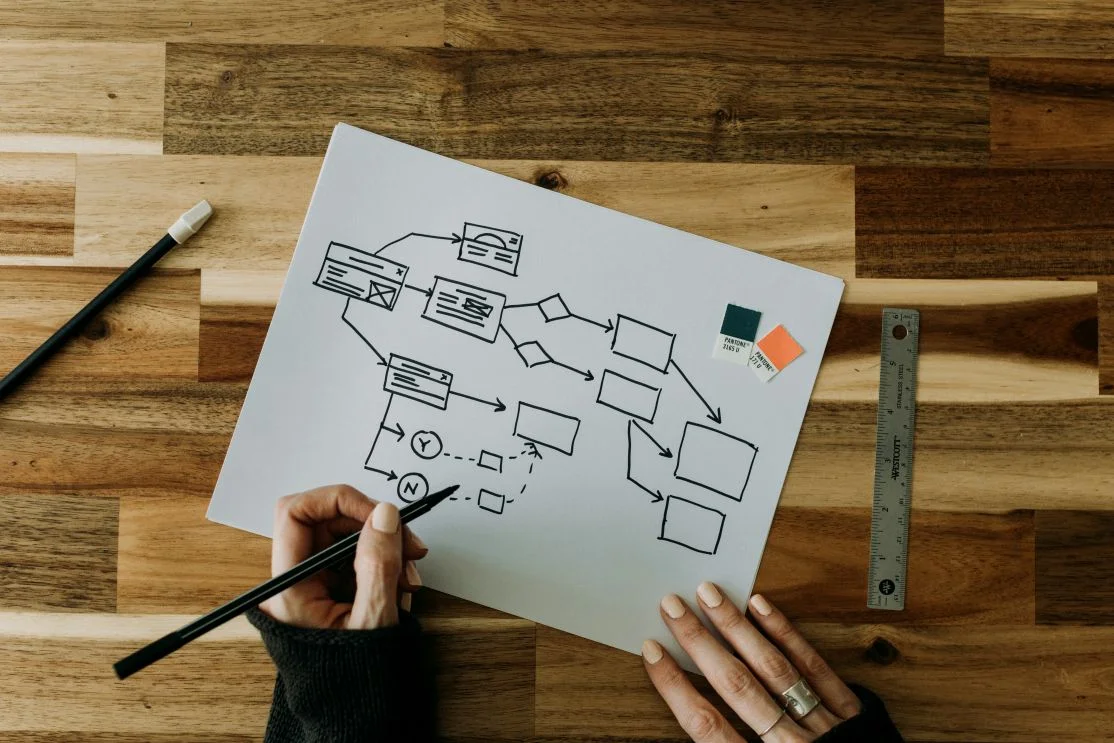
If you take the time to map out your customer journey after purchase, understand what they need at each stage, and use the right tools to deliver communications that feel personal and well-timed, you will find that your existing customer base becomes one of your most reliable sources of ongoing revenue. The customers are already there; a strong post purchase email sequence is simply the mechanism that keeps them coming back.
Ian
Ian has worked in Digital Marketing for decades, and is a Google Partner for Google Ads and an expert in onsite and technical SEO. He has worked with hundreds of clients, helping them achieve success online, through SEO, PPC and Digital Marketing, working with local businesses through to national retailers.
View all posts →Related Articles
6 Simple Ways To Boost Your Mailing List
As more and more business come back to the realisation that email marketing, if done correctly, still works, the power of making it successful is through relevant subscribers and constantly growing them to expand your reach.
Guide To Email Marketing In 2026
Email marketing in 2026 isn't just about sending newsletters and hoping for the best. The landscape has evolved dramatically, with AI-powered personalisation, privacy regulations, and shifting consume...
Why Email Marketing Can Still Be A Powerful Source Of Leads
In a world dominated by flashy social media campaigns and cutting-edge marketing automation, email marketing might seem as outdated as a the first mobile phone. Yet, it can still work.