How To Run A Flash Sale Email Campaign That Converts
There are very few marketing tactics that create the kind of urgency and immediate revenue that a well-executed flash sale can generate. When it comes to email marketing, a flash sale...
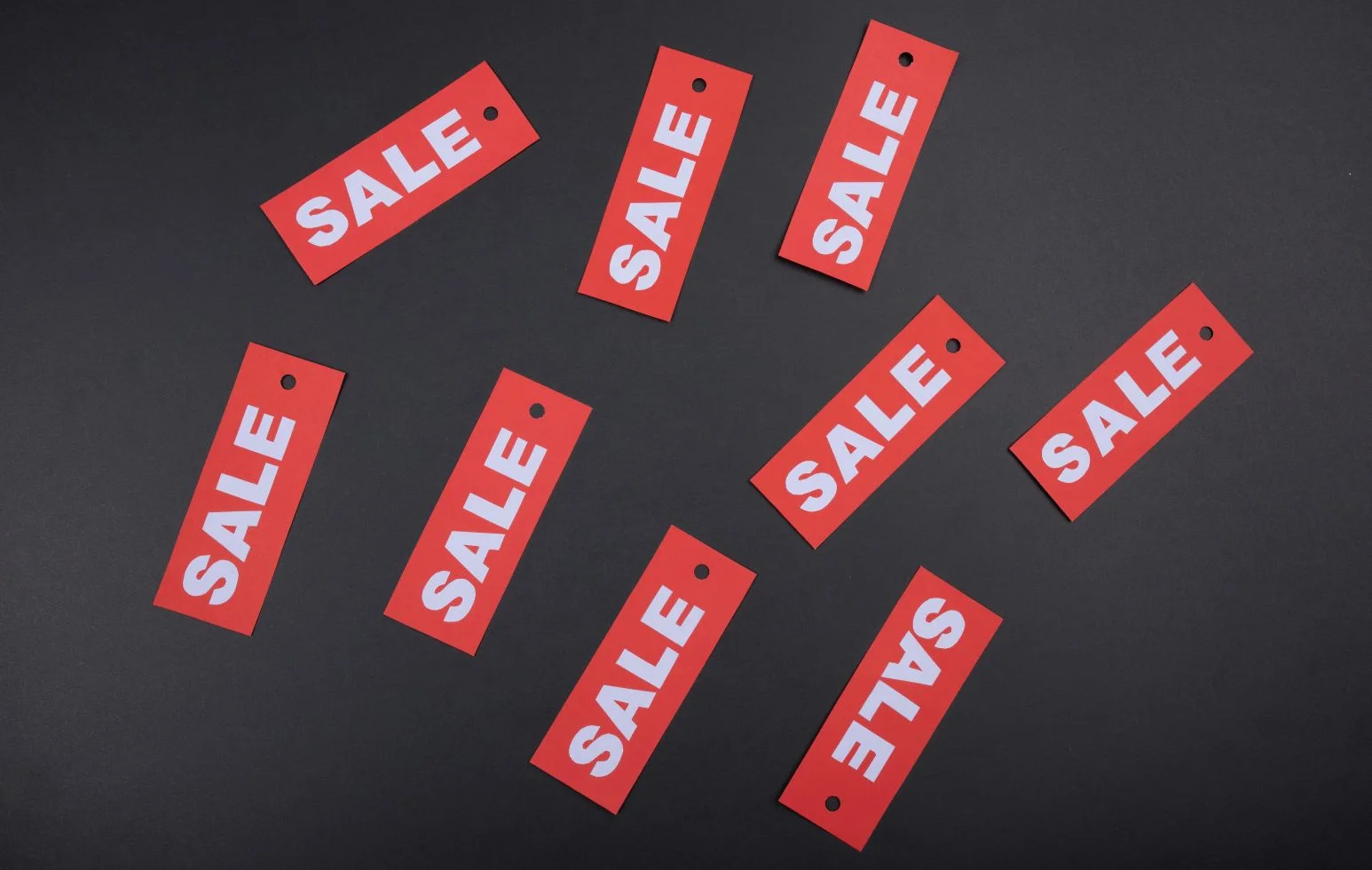
There are very few marketing tactics that create the kind of urgency and immediate revenue that a well-executed flash sale can generate. When it comes to email marketing, a flash sale campaign is one of the most powerful tools in your arsenal, but only if you approach it with the right strategy. Too many businesses send out a single email, slap a discount code on it, and wonder why the results are underwhelming. Running a flash sale email campaign that actually converts requires careful planning, precise timing, and a deep understanding of how to move your audience from inbox to checkout in a compressed window of time. This guide walks you through everything you need to know to do it properly.
Understanding What Makes A Flash Sale Different
A flash sale is not simply a promotion with a time limit attached to it. It is a carefully constructed event designed to trigger a psychological response in the buyer, specifically the fear of missing out combined with the excitement of an exclusive deal. The brevity of the window, typically anywhere from a few hours to 48 hours, is what separates it from a standard discount campaign and is precisely what makes it so effective when handled correctly.
For email marketers, this means the entire communication strategy needs to be built around urgency, clarity, and momentum. Every email you send during the campaign window has a job to do, and understanding those individual roles is what separates a flash sale that converts from one that gets ignored.
Planning Your Campaign Before You Write A Single Email
The groundwork you lay before any email goes out is arguably the most important part of the entire process. Start by defining the goal of your flash sale clearly. Are you looking to clear old stock, reward loyal customers, attract new subscribers, or spike revenue during a quiet period? The answer to that question shapes every decision that follows, from the offer itself to the segment of your list you target.
Segmentation is something that many brands overlook in the rush to get a campaign live. Sending the same flash sale email to your entire list regardless of purchase history, engagement level, or geographic location is a wasted opportunity. Platforms like Mailchimp and Klaviyo give you the tools to slice your audience intelligently, and using those tools properly can make a significant difference to your conversion rate.
Your offer needs to be genuinely compelling. A modest discount that your audience could find on your website any day of the week will not create the urgency you need. Think about what would make someone stop scrolling and take action right now, and build your offer around that.
The Email Sequence That Drives Results
A flash sale email campaign is not a single email. It is a sequence, and each message in that sequence has a specific purpose. Getting this structure right is central to how to run a flash sale email campaign that converts.
Want more insights like this?
Join thousands of marketers getting weekly tips and strategies.
The Pre-Sale Announcement
Sending a teaser email 24 to 48 hours before the sale opens is one of the most underused tactics in flash sale marketing. This email does not reveal the full offer, but it creates anticipation. It tells your subscribers that something is coming, that it is exclusive, and that they should watch their inbox. The subject line here needs to build curiosity without giving everything away. Something that signals an event is imminent without showing all the cards tends to perform well in this slot.
The Launch Email
This is your centrepiece communication and it needs to do a great deal of heavy lifting in a very short amount of time. The subject line should communicate the core offer and the urgency in as few words as possible. Inside the email, lead with the offer prominently, include a clear and visible countdown or end time, and make sure your call to action is impossible to miss. Avoid burying the most important information beneath long paragraphs of copy. People scanning their inbox on a mobile device need to understand the deal within seconds of opening the email.
Keep the design clean and the copy tight. One strong call to action will always outperform three competing ones. Link directly to the relevant product page or dedicated landing page rather than your homepage, because every additional click you ask someone to make is another opportunity for them to drop off.
The Midpoint Reminder
If your sale runs for 24 hours or longer, a midpoint reminder email serves a very specific purpose. It re-engages people who opened the first email but did not convert, and it catches those who missed the launch email entirely. This is also an effective place to address common objections, highlight bestselling products within the sale, or introduce social proof in a general sense, such as referencing high demand without fabricating figures.
The Final Hours Email
This email is the hardest working message in the entire sequence when it comes to creating conversions. Sending it two to four hours before the sale closes, with a subject line that makes the deadline absolutely clear, tends to be where a significant portion of the campaign's total conversions happen. People who have been sitting on the fence often need one final push, and a genuine deadline provides exactly that. The urgency here is real, so communicate it honestly and directly.
Subject Lines That Get Opened
Your subject line is the gatekeeper of the entire campaign. Even the most brilliantly crafted email is worthless if nobody opens it. For flash sale emails, the subject line needs to accomplish several things simultaneously: communicate urgency, hint at the value on offer, and stand out in a crowded inbox.
Specificity tends to outperform vague promises. A subject line that tells the reader exactly what the offer is and exactly when it ends will almost always perform better than one that relies purely on hype. Testing different subject lines across segments of your list before rolling out to the full audience is a practice that the most effective email marketers build into their process as standard.
Personalisation at the subject line level, using first names or referencing past purchase behaviour, can also improve open rates, particularly when the offer is relevant to what that subscriber has previously shown interest in.
Landing Pages And The Post-Click Experience
The email gets people to click, but the landing page is where the conversion actually happens. If you are directing subscribers to a page that does not clearly reflect the offer in the email, or that requires too many steps to complete a purchase, you will lose people who were genuinely ready to buy.
Your landing page should mirror the messaging and visual style of the email, reinforce the deadline, and make the checkout process as frictionless as possible. If your platform allows it, pre-populating discount codes so subscribers do not have to copy and paste them manually is a small but meaningful improvement to the experience.
Analysing Performance After The Campaign
Once the sale closes, the work is not finished. Reviewing the performance of each email in the sequence, open rates, click-through rates, conversion rates, and unsubscribes, gives you the data you need to improve the next campaign. Pay particular attention to which email in the sequence drove the most conversions and which subject lines performed best, because those insights are directly applicable the next time you run a similar campaign.
It is also worth reviewing any increase in unsubscribes during the campaign. A small uptick is normal, but a significant spike may indicate that the frequency or relevance of your messaging needs to be reconsidered.
Putting It All Together
Running a flash sale email campaign that converts is not about shouting loudly with a discount and hoping for the best. It is about building a structured sequence of communications that guide your audience from awareness to action within a defined and urgent window. The brands that do this well invest in their segmentation, obsess over their subject lines, keep their copy focused and their calls to action clear, and treat every email in the sequence as an essential part of a wider strategy rather than a standalone message. If you approach your next flash sale with that level of intentionality, you will find that the results speak for themselves.
Ian
Ian has worked in Digital Marketing for decades, and is a Google Partner for Google Ads and an expert in onsite and technical SEO. He has worked with hundreds of clients, helping them achieve success online, through SEO, PPC and Digital Marketing, working with local businesses through to national retailers.
View all posts →Related Articles
6 Simple Ways To Boost Your Mailing List
As more and more business come back to the realisation that email marketing, if done correctly, still works, the power of making it successful is through relevant subscribers and constantly growing them to expand your reach.
Guide To Email Marketing In 2026
Email marketing in 2026 isn't just about sending newsletters and hoping for the best. The landscape has evolved dramatically, with AI-powered personalisation, privacy regulations, and shifting consume...
Why Email Marketing Can Still Be A Powerful Source Of Leads
In a world dominated by flashy social media campaigns and cutting-edge marketing automation, email marketing might seem as outdated as a the first mobile phone. Yet, it can still work.