
How To Use Emojis In Subject Lines Without Looking Spammy
Emojis in email subject lines sit in a strange middle ground. Used well, they can make your message stand out in a crowded inbox, add a touch of personality, and even give open rates a...
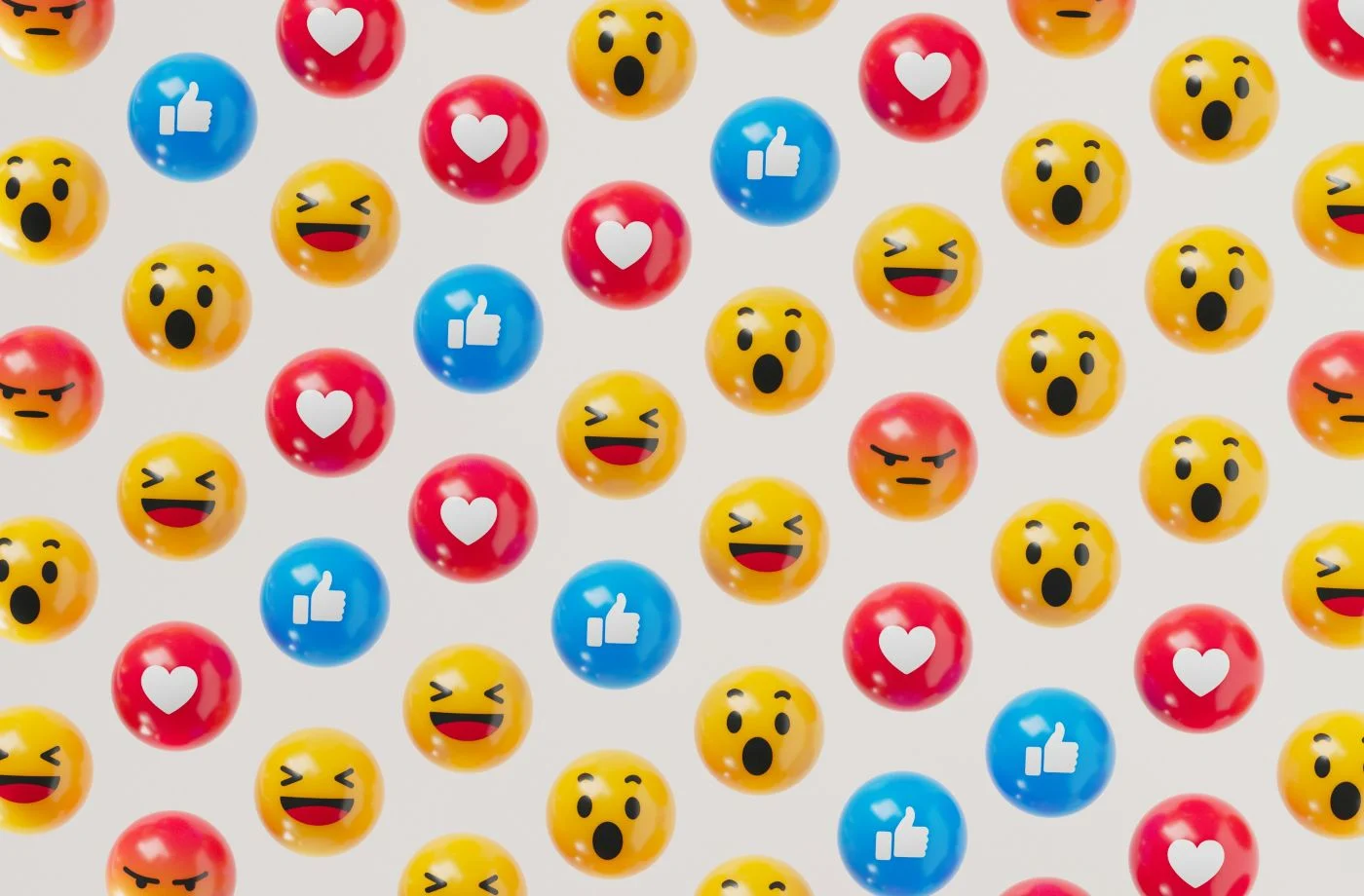
Emojis in email subject lines sit in a strange middle ground. Used well, they can make your message stand out in a crowded inbox, add a touch of personality, and even give open rates a genuine lift. Used badly, they make your brand look like it is desperately shouting into the void, and worse, they can trigger spam filters before your email even gets a chance to be seen. The question is not really whether you should use emojis in subject lines at all. The question is how to use emojis in subject lines without looking spammy, unprofessional, or out of touch with your audience.
There is no single rulebook here, but there are clear principles that separate the brands doing this well from the ones quietly damaging their sender reputation. If you want emojis to work for your email marketing rather than against it, this guide is worth reading carefully.
Understand Your Audience Before You Add Anything
This sounds obvious, but it is the step most people skip. Before you drop a 🎉 or a 🔥 into your subject line, you need to honestly assess whether your audience will respond positively to it. A fashion retailer targeting Gen Z shoppers and a B2B software company selling to procurement directors are operating in completely different worlds, and the subject line conventions that work in one world can be actively off-putting in the other.
Think about the tone of your brand, the expectations of your subscriber list, and how your emails have historically performed. If your brand voice is formal, measured, and authoritative, suddenly introducing a winking face emoji is going to feel jarring rather than fresh. Emojis should feel like a natural extension of your communication style, not a bolt-on gimmick because someone read that they increase open rates.
Platforms like Mailchimp and Klaviyo both offer subject line testing tools that allow you to A/B test emoji versus non-emoji subject lines with your actual audience, which is far more valuable than any generalised advice you will find online.
Use Emojis to Complement the Message, Not Replace It
One of the most common mistakes is using an emoji as a substitute for a strong subject line rather than as an enhancement of one. An emoji cannot carry a weak subject line. If your copy is vague, uninspiring, or unclear, adding a sparkle icon is not going to rescue it. The emoji should add context, emotion, or visual interest to a subject line that is already doing its job properly.
Consider the difference between these two approaches. A subject line that simply reads "☀️☀️☀️ Summer" is doing very little. A subject line that reads "Your summer wardrobe starts here ☀️" is specific, relevant, and uses the emoji to reinforce the seasonal theme without relying on it as the primary hook. The latter gives the reader a reason to open the email; the former just adds noise.
Think of emojis as punctuation with personality. They work best when they underline what you are already saying, not when they are asked to do the heavy lifting on their own.
Want more insights like this?
Join thousands of marketers getting weekly tips and strategies.
Placement Matters More Than You Might Think
Where you position an emoji within your subject line affects how it reads and how it renders across different email clients. Placing an emoji at the very beginning of a subject line means it will be the first thing a subscriber sees in their inbox preview, which can be powerful or problematic depending on the context. Placing it at the end gives it the role of a full stop with flair, rounding off the message with a visual cue.
What you want to avoid is placing emojis in the middle of a sentence in a way that interrupts the natural reading flow. Breaking up a subject line with an emoji mid-thought can make it harder to read quickly, and inbox scanning is genuinely quick. Most subscribers decide within a second or two whether an email is worth opening.
It is also worth noting that not all emojis render consistently across every device, operating system, or email client. An emoji that looks clean and relevant on an iPhone may display as a square or a question mark on an older Android device or within a corporate email environment. Emojipedia is a useful resource for checking how specific emojis render across different platforms before you commit to using them.
Frequency Is Everything
If every single email you send has two or three emojis in the subject line, you are no longer standing out. You are just adding clutter. The inbox scanning behaviour that makes a well-placed emoji effective is entirely dependent on it being used selectively. When every subject line looks the same, none of them stand out.
Brands that use emojis most effectively tend to reserve them for specific types of communication, whether that is a seasonal campaign, a flash sale, or a particularly high-value piece of content they want to draw attention to. This selective approach keeps the emoji meaningful rather than decorative, and it ensures your subscribers do not become desensitised to the visual cue you are trying to use.
If you are sending a regular newsletter, consider using an emoji consistently in that specific format as a visual identifier, and keeping your other emails cleaner. This creates an association in the reader's mind without overdoing it across your entire send schedule.
Spam Filters and Deliverability Are Real Concerns
Using emojis in subject lines without looking spammy is not just about perception. It is also about technical deliverability. Certain emoji combinations, particularly sequences of multiple emojis used repeatedly or alongside all-caps text and excessive punctuation, can flag your emails as spam before they ever reach an inbox.
Spam filters have become significantly more sophisticated, but they still look for signals of low-quality or deceptive sending behaviour. A subject line that reads "🚨🚨 ACT NOW!!! HUGE DEAL INSIDE 🚨🚨" is likely to raise red flags both with filters and with real human readers. It is the email equivalent of someone standing on the pavement with a sign, and most people cross the street.
Keep the number of emojis per subject line to one or two at most. Avoid using emojis alongside aggressive sales language, excessive capitalisation, or multiple exclamation marks. Your sender reputation is a long-term asset, and it is worth protecting carefully. Resources like Validity offer deliverability monitoring tools that can help you keep an eye on how your campaigns are performing from a technical standpoint.
Test, Analyse, and Adjust
There is genuinely no substitute for testing when it comes to using emojis in email subject lines. What works brilliantly for one list may have a negligible or even negative effect on another. The only way to know for certain is to test systematically and analyse the results with genuine honesty.
Set up clean A/B tests where the only variable is the presence or absence of an emoji, or the specific emoji used. Look at open rates, but also consider click-through rates and unsubscribe rates. A subject line that gets a higher open rate but leads to more unsubscribes may be over-promising and under-delivering, which is a problem regardless of the emoji situation.
Give each test enough send volume to produce meaningful data, and resist the urge to draw conclusions from a single campaign. Inbox behaviour is influenced by a wide range of factors including time of day, day of week, and the broader context of what else is in your subscriber's inbox at that moment. Consistency in testing methodology will give you far more reliable insights over time.
Emojis Are a Tool, Not a Strategy
It is worth stepping back and reminding yourself that emojis are a small part of a much larger picture. They are a detail, not a direction. The fundamentals of good email marketing, including a clean and well-maintained list, genuinely useful content, a strong and relevant offer, and a consistent sending cadence, matter far more than whether or not you include a sun icon in your subject line.
When you treat emojis as one element within a broader strategy of thoughtful, audience-first email marketing, they can genuinely add value. When you treat them as a shortcut to better performance, they rarely deliver and often backfire. Use them with intent, use them sparingly, and always make sure the subject line earns its place on its own merits before you consider adding any visual embellishment on top of it.
The inbox is a competitive space, and every detail counts. Getting the small things right, including something as seemingly minor as emoji usage, is part of what separates brands that build real relationships with their subscribers from those that end up in the junk folder.
Ian
Ian has worked in Digital Marketing for decades, and is a Google Partner for Google Ads and an expert in onsite and technical SEO. He has worked with hundreds of clients, helping them achieve success online, through SEO, PPC and Digital Marketing, working with local businesses through to national retailers.
View all posts →Related Articles

6 Simple Ways To Boost Your Mailing List
As more and more business come back to the realisation that email marketing, if done correctly, still works, the power of making it successful is through relevant subscribers and constantly growing them to expand your reach.
Guide To Email Marketing In 2026
Email marketing in 2026 isn't just about sending newsletters and hoping for the best. The landscape has evolved dramatically, with AI-powered personalisation, privacy regulations, and shifting consume...
Why Email Marketing Can Still Be A Powerful Source Of Leads
In a world dominated by flashy social media campaigns and cutting-edge marketing automation, email marketing might seem as outdated as a the first mobile phone. Yet, it can still work.