
Our Complete Guide To Digital PR For Small Businesses
Digital PR is one of those marketing disciplines that many small business owners have heard of but are not entirely sure how to approach. It sits somewhere between traditional public r...

Digital PR is one of those marketing disciplines that many small business owners have heard of but are not entirely sure how to approach. It sits somewhere between traditional public relations, content marketing, and link building, and when it is done well, it can have a genuinely transformative effect on both your online visibility and your brand reputation. The good news is that you do not need a large agency budget or a dedicated in-house press team to make digital PR work for your business. What you do need is a clear understanding of what it actually involves, a willingness to be consistent, and a strategy that is rooted in real value rather than vanity.
This guide is designed to walk you through everything you need to know about digital PR for small businesses, from the foundational principles right through to the practical tactics you can start putting into action today.
What Digital PR Actually Means
Digital PR is the process of earning online coverage, mentions, and backlinks through strategic communication, content creation, and relationship building with journalists, bloggers, influencers, and online publications. Unlike traditional PR, which focused primarily on print and broadcast media, digital PR is built around the internet and the way people discover, consume, and share information online.
The reason it matters so much for small businesses is the combination of benefits it delivers. When a reputable website mentions your business and links back to your site, you gain a high-quality backlink that improves your search engine rankings. You also gain exposure to a new audience, build credibility, and create social proof that reassures potential customers. Those are not small wins. That is the kind of compounding value that helps a small business grow steadily over time.
Understanding The Difference Between Digital PR And Traditional PR
Traditional PR was largely about getting your story into newspapers, trade magazines, or onto television and radio. The measure of success was often circulation figures or audience size, and the results were difficult to tie back directly to business outcomes. Digital PR shares the same core skill set, including storytelling, media relations, and understanding what makes a story newsworthy, but the goals and the measurement are quite different.
In digital PR, you are aiming for online placements that include a link back to your website. You are also looking at whether that coverage drives referral traffic, builds your domain authority through those backlinks, or increases brand searches. Tools like Google Search Console and Ahrefs allow you to track the impact of your coverage in ways that were simply not possible with a double-page spread in a print magazine.
Building A Foundation Before You Pitch Anything
One of the most common mistakes small businesses make with digital PR is jumping straight into pitching stories before they have put the right foundations in place. Before you contact a single journalist or blogger, you need to make sure your website is in good shape, your messaging is clear, and you have something genuinely worth saying.
Think about what makes your business interesting or different. Is there a founder story with real depth to it? Do you have a perspective on your industry that challenges the conventional wisdom? Have you developed a product or service in response to a genuine gap in the market? These are the kinds of angles that form the basis of compelling digital PR stories. A journalist does not want to write about the fact that you have launched a new website. They want a story that their readers will find genuinely useful, surprising, or thought-provoking.
Want more insights like this?
Join thousands of marketers getting weekly tips and strategies.
Your website also needs to be ready to receive the traffic and scrutiny that coverage can bring. Make sure your homepage clearly communicates what you do, that your contact page is easy to find, and that you have a press or media section where journalists can access your logo, brand imagery, and key information about your business.
How To Identify The Right Media Targets
Not all coverage is created equal. A mention on a highly relevant industry website with a strong domain authority is worth considerably more than a mention on a low-quality directory that happens to have your business name on it. When you are building your target media list, focus on quality over quantity.
Start by thinking about where your ideal customer actually spends their time online. If you run a small interior design studio, you want coverage on home and lifestyle publications, design blogs, and local news websites. If you run a business services company, trade publications and business news sites are going to be far more relevant. Use tools like Moz Link Explorer to check the domain authority of websites you are considering targeting, and make sure you are prioritising placements that will genuinely move the needle.
Local and regional media is often overlooked by small businesses, but it can be incredibly powerful. A feature in your local newspaper's online edition, or a mention on a well-read regional business blog, can drive real, targeted traffic and build meaningful community awareness around your brand.
Crafting Stories That Journalists Actually Want
The pitch is everything in digital PR. Journalists and editors receive hundreds of emails every week, and if yours does not immediately communicate something interesting and relevant, it will be deleted without a second thought. This is not a criticism; it is simply the reality of how busy newsrooms and editorial teams operate.
A strong digital PR pitch is short, personalised, and gets to the point immediately. Address the journalist by name, reference their publication, and explain your story angle in the first two or three sentences. Do not bury the lead. If your story hook is interesting, lead with it. If you are attaching supporting information, keep it concise and relevant.
The types of stories that tend to perform well for small businesses include data-led pieces where you have conducted a survey or gathered original insights relevant to your industry, expert commentary pieces where you are offering a genuine perspective on a trending topic, and human interest stories that connect your business to something your audience genuinely cares about. Newsjacking, which is the practice of connecting your business to a current news story, can also be effective if it is done authentically and with genuine relevance.
The Role Of Content In Digital PR
Content and digital PR are deeply interconnected, and the most effective small business digital PR strategies use content as a central tool. Creating genuinely useful, well-researched content gives you something valuable to promote, and it also gives journalists and bloggers a reason to link back to you without requiring a formal pitch at all.
Comprehensive guides, original research, interactive tools, and data-driven resources all have the potential to attract natural backlinks over time. Think about the questions your customers ask most frequently, the problems they are trying to solve, and the information gaps that exist in your industry. If you can create the definitive resource on a topic that matters to your audience, other websites will naturally reference and link to it.
HARO (Help a Reporter Out) is a platform that connects journalists with expert sources, and it is well worth signing up for as a small business owner. Journalists post requests for expert commentary on specific topics, and if you can respond quickly with a well-considered, genuinely helpful answer, you have a real chance of earning coverage and a backlink from a reputable publication.
Building Relationships Rather Than Just Sending Pitches
Digital PR is not a one-off exercise. The businesses that see the most sustained results from it are the ones that treat media relationships as long-term investments rather than transactional exchanges. Follow journalists who cover your industry on social media platforms like X (formerly Twitter) and LinkedIn. Engage thoughtfully with their work. Share their articles when they are genuinely relevant. When you do eventually pitch them, you are not a stranger in their inbox; you are someone they have at least seen before.
This approach takes time, but it pays dividends. A journalist who trusts you as a reliable and knowledgeable source will come back to you for comment again and again, and each time they do, you gain another piece of coverage that builds your brand authority and strengthens your backlink profile.
Measuring The Impact Of Your Digital PR Activity
You cannot improve what you do not measure, and digital PR is no different. The key metrics to track include the number and quality of backlinks earned, referral traffic from coverage, brand search volume over time, and domain authority growth. Google Search Console will show you traffic data and help you understand which referring domains are sending visitors to your site. Ahrefs or SEMrush will give you a detailed view of your backlink profile and allow you to track new links as they are earned.
Beyond the technical metrics, pay attention to whether your digital PR activity is translating into real business outcomes. Are you receiving more enquiries? Are people referencing articles or coverage when they get in touch? These qualitative signals matter just as much as the data points, and they will help you refine your approach over time.
Bringing It All Together
Digital PR for small businesses is not about grand gestures or enormous budgets. It is about being consistent, strategic, and genuinely useful to the people you are trying to reach. Build your foundations properly, identify the right media targets for your audience, craft stories that have real editorial value, and invest in the relationships that will carry your brand forward over the long term.
The businesses that approach digital PR with patience and a genuine commitment to adding value are the ones that see it become one of their most powerful and cost-effective marketing channels. Start with one strong story angle, one well-researched pitch list, and one relationship worth nurturing. From there, the momentum builds naturally.
Ian
Ian has worked in Digital Marketing for decades, and is a Google Partner for Google Ads and an expert in onsite and technical SEO. He has worked with hundreds of clients, helping them achieve success online, through SEO, PPC and Digital Marketing, working with local businesses through to national retailers.
View all posts →Related Articles
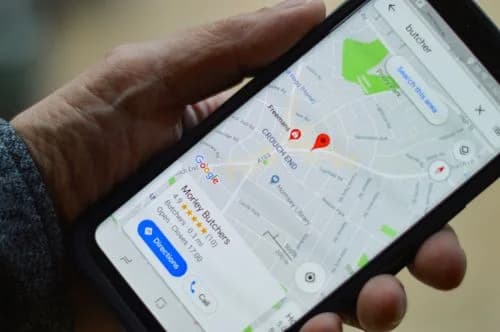
Our Complete Guide To Improving Your Google My Business Profile
In the world of local business marketing, your Google My Business profile isn't just another online listing, it's your digital shopfront that can make or break a potential customer's first impression.

Wordpress Websites Vs AI Websites
The decision between building a traditional WordPress website or embracing the new wave of AI-powered website builders has become one of the most significant choices facing businesses today. With Word...
What Is SEO And How Does It Work?
If you've ever wondered why some websites appear at the top of Google whilst others seem to vanish into the digital wilderness, you're asking the right question.