Our Complete Guide To Facebook Ads For Small Businesses
Facebook advertising remains one of the most powerful and accessible tools available to small businesses looking to grow their customer base, increase brand awareness, and drive meaningful revenue. Wi...
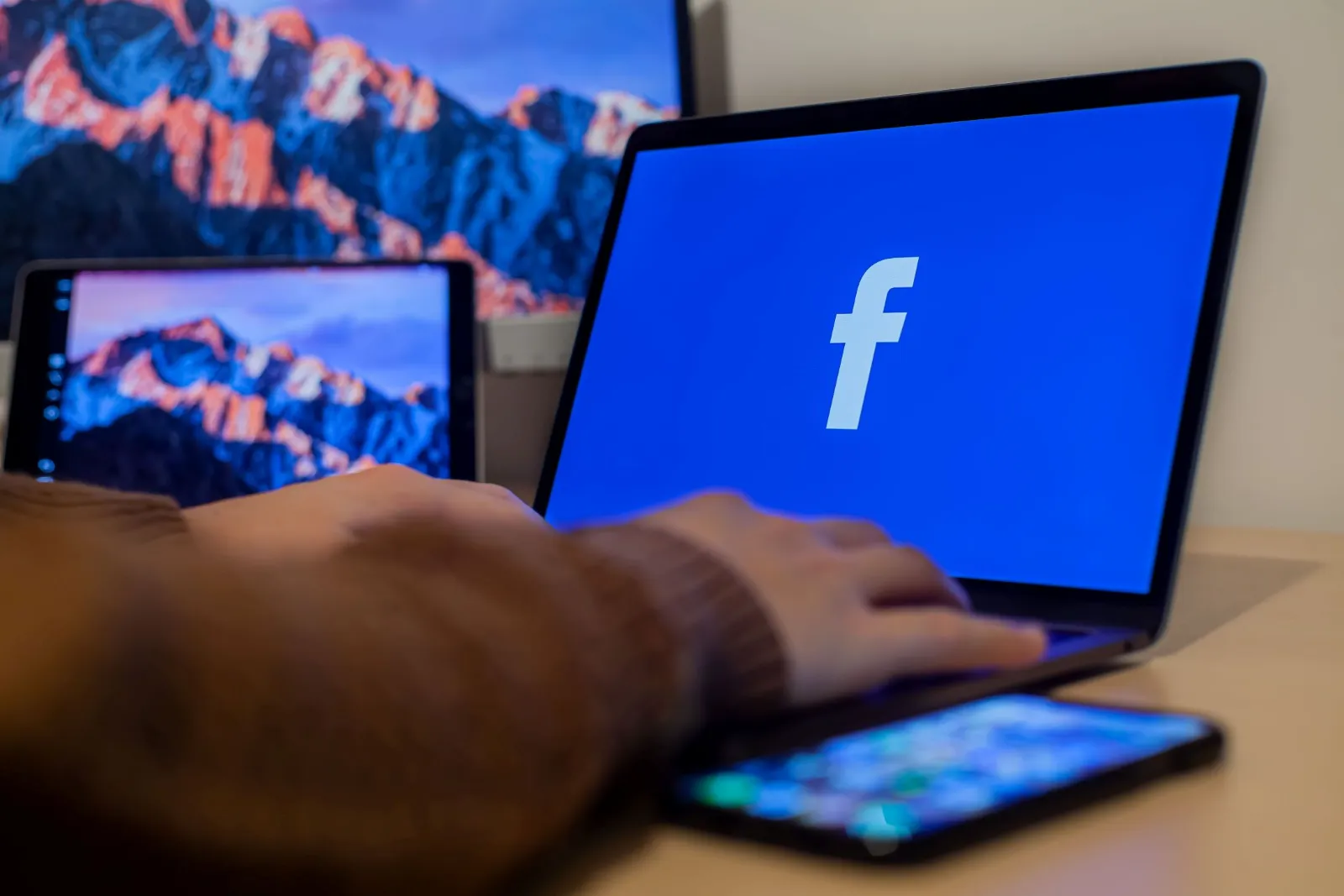
Facebook advertising remains one of the most powerful and accessible tools available to small businesses looking to grow their customer base, increase brand awareness, and drive meaningful revenue. With over three billion monthly active users on the platform, the opportunity to put your business in front of the right people at the right time is significant. Yet, for many small business owners, the Facebook Ads Manager can feel overwhelming at first glance, and without a solid understanding of how the platform works, it is very easy to spend money without seeing the results you need. This complete guide to Facebook Ads for small businesses is designed to walk you through everything you need to know, from setting up your first campaign through to refining your targeting and creative assets so that your budget works as hard as possible for you.
Understanding The Facebook Ads Ecosystem
Before you spend a single penny, it is worth taking the time to understand how Facebook advertising actually works. The platform operates on an auction-based system, meaning you are competing against other advertisers to have your ads shown to your target audience. What determines whether your ad wins that auction is not purely down to how much you are willing to spend; it is a combination of your bid, your estimated action rates, and the overall quality and relevance of your ad. Understanding this from the outset means you can approach your campaigns with a more strategic mindset rather than simply throwing budget at the platform and hoping for the best.
Facebook also owns Instagram, and through Ads Manager you can run your campaigns across both platforms simultaneously. For small businesses, this is a genuine advantage because it extends your reach without requiring you to manage separate advertising accounts. The Meta Business Suite brings everything together in one place, and if you have not already set this up for your business, it should be your very first step.
Setting Clear Campaign Objectives
One of the most important decisions you will make when running Facebook Ads for your small business is choosing the right campaign objective. Facebook structures its campaigns around three broad stages of the customer journey: awareness, consideration, and conversion. Choosing the wrong objective at the wrong stage is one of the most common reasons small businesses see poor results from their ad spend.
If your business is relatively new and people are not yet familiar with your brand, starting with an awareness objective makes a great deal of sense. If you already have some brand recognition and you want people to visit your website, watch a video, or engage with your content, a consideration objective is more appropriate. If you are running a sale, promoting a specific product, or trying to generate leads directly, then a conversion-based objective is the right choice. The key is to match the objective to where your audience is in their relationship with your business, rather than jumping straight to conversion campaigns when people have never heard of you.
Building Your Audience The Right Way
The targeting capabilities within Facebook Ads are genuinely impressive, and for small businesses in particular, they represent a real opportunity to compete with larger brands that have much bigger marketing budgets. You can target people based on location, age, gender, interests, behaviours, and even life events. For a local business, the ability to narrow your audience down to people within a specific radius of your premises is extraordinarily useful.
Want more insights like this?
Join thousands of marketers getting weekly tips and strategies.
Beyond interest-based targeting, Facebook offers three particularly powerful audience types that small businesses should make full use of. Custom Audiences allow you to upload your existing customer data, such as email lists, and target those specific people on Facebook. Lookalike Audiences take your Custom Audience and find new people on the platform who share similar characteristics, giving you a warm pool of prospects who are more likely to be receptive to your business. Retargeting audiences allow you to re-engage people who have already visited your website or interacted with your content, and for small businesses with limited budgets, this is often where the most cost-effective results are found because you are targeting people who already have some familiarity with what you offer.
To make the most of these audience types, you will need to install the Meta Pixel on your website. This small piece of code tracks the actions people take on your site and feeds that data back into Ads Manager, allowing you to build retargeting audiences and measure conversions accurately. Without it, you are essentially running campaigns without knowing what is actually working.
Creating Ads That Actually Stop The Scroll
The quality of your creative assets, meaning your images, videos, headlines, and ad copy, has a direct impact on how well your campaigns perform. Facebook's algorithm favours ads that generate genuine engagement, and if people are scrolling past your ads without a second glance, the platform will reduce the frequency with which it serves them and increase the cost of your clicks.
For small businesses, video content tends to perform particularly well on Facebook, even when produced simply and without a significant production budget. A short, authentic video that clearly communicates what your business offers and why someone should care can outperform a polished, expensive piece of creative that feels cold or generic. The opening seconds of your video are critical; if you do not capture attention immediately, most viewers will keep scrolling.
Your ad copy should be direct and focused on the benefit to the customer rather than a list of features about your product or service. Think about what problem you are solving for the person seeing your ad, and lead with that. Your headline should reinforce the core message, and your call to action should be unambiguous about what you want the person to do next, whether that is visiting your website, claiming an offer, or getting in touch.
Budgeting Sensibly As A Small Business
One of the most common questions small business owners ask when starting out with Facebook Ads is how much they should spend. The honest answer is that there is no single correct figure, because the right budget depends entirely on your objectives, your audience size, and the competitiveness of your industry. What is important is that you approach your budget with realistic expectations and a willingness to test before scaling.
Starting with a modest daily budget and running your campaigns for a sufficient period of time to gather meaningful data is far more productive than launching with a large budget before you know what works. Facebook's algorithm needs time and data to optimise your campaigns, and cutting campaigns short before they have had the opportunity to learn is a mistake many small businesses make. As a general principle, give your campaigns at least two weeks before drawing firm conclusions about their performance.
You can also use campaign budget optimisation, where you set a budget at the campaign level and allow Facebook to distribute it across your ad sets based on performance. This can be a sensible approach for small businesses because it removes some of the manual work of budget management and lets the platform focus spend where it is generating the best results.
Measuring Performance And Knowing What To Look For
Running Facebook Ads without analysing the results is an exercise in futility. The data available within Ads Manager is extensive, and knowing which metrics matter most for your specific objectives is essential to making informed decisions about your campaigns.
For conversion-focused campaigns, cost per result is the most important metric because it tells you how much you are paying for each lead, sale, or action. For awareness campaigns, reach and frequency matter more because you are trying to ensure that as many people as possible within your target audience see your ads. Click-through rate is a useful indicator of how compelling your creative and copy are, and if it is consistently low, it is a signal that your ads are not resonating with the audience you are targeting.
It is also worth connecting your Facebook Ads account to Google Analytics so that you can track what happens after someone clicks on your ad and arrives on your website. Understanding the full journey from ad click to conversion gives you a much more complete picture of your campaigns' effectiveness and helps you identify where potential customers are dropping off.
Testing And Refining Your Campaigns Over Time
The most successful Facebook advertisers are not the ones who get everything right on the first attempt; they are the ones who commit to a process of continuous testing and refinement. For small businesses, this means being disciplined about testing one variable at a time, whether that is a different headline, a new image, a different audience segment, or a revised call to action, so that you can understand clearly what is driving improvement.
Facebook's A/B testing tool within Ads Manager allows you to run controlled experiments across your campaigns, and using it properly can dramatically improve your understanding of what resonates with your audience. Over time, the insights you gather from testing become one of your most valuable business assets because they give you a genuine understanding of your customers and what motivates them to take action.
Bringing It All Together
Facebook Ads for small businesses represent a genuine and accessible opportunity to grow, but only when approached with strategy, patience, and a commitment to learning. Setting the right objective, building well-defined audiences, creating compelling creative assets, managing your budget sensibly, and measuring your results consistently are the foundations upon which successful campaigns are built. None of these things are beyond the reach of a small business owner who is prepared to invest the time in understanding the platform properly.
The businesses that get the most from Facebook advertising are not necessarily the ones with the biggest budgets; they are the ones that take a thoughtful and methodical approach to every aspect of their campaigns. If you are just starting out, focus on the fundamentals outlined in this guide, give yourself the time to learn from the data, and refine your approach as you go. The results will follow.
Ian
Ian has worked in Digital Marketing for decades, and is a Google Partner for Google Ads and an expert in onsite and technical SEO. He has worked with hundreds of clients, helping them achieve success online, through SEO, PPC and Digital Marketing, working with local businesses through to national retailers.
View all posts →Related Articles
Our Complete Guide To Improving Your Google My Business Profile
In the world of local business marketing, your Google My Business profile isn't just another online listing, it's your digital shopfront that can make or break a potential customer's first impression.

Wordpress Websites Vs AI Websites
The decision between building a traditional WordPress website or embracing the new wave of AI-powered website builders has become one of the most significant choices facing businesses today. With Word...
What Is SEO And How Does It Work?
If you've ever wondered why some websites appear at the top of Google whilst others seem to vanish into the digital wilderness, you're asking the right question.