
Our Complete Guide To Local SEO For Small Businesses
If you run a small business and you are trying to get found online by people in your local area, then local SEO is something you cannot afford to ignore. Whether you own a plumbing company, a hair sal...
If you run a small business and you are trying to get found online by people in your local area, then local SEO is something you cannot afford to ignore. Whether you own a plumbing company, a hair salon, a solicitors practice, or a family-run restaurant, the way your business appears in local search results can have a profound impact on the volume of enquiries and customers you receive. The good news is that local SEO for small businesses is not as complex or as expensive as many people assume, and with the right approach and a bit of consistent effort, it is entirely possible to compete with much larger brands in your area. This complete guide to local SEO for small businesses will walk you through everything you need to know, from the foundations right through to the more detailed tactics that can genuinely make a difference.
What Is Local SEO and Why Does It Matter?
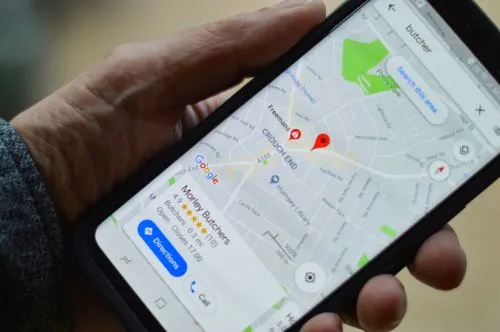
Local SEO is the process of optimising your online presence so that your business appears prominently in search results when people in your area are looking for the products or services you offer. When someone types something like "electrician near me" or "best Italian restaurant in Bristol" into Google, the results they see are heavily influenced by local SEO signals. These results typically include the Google Map Pack, which is the cluster of three business listings that appears at the top of relevant local searches, as well as the organic results that follow beneath them.
For small businesses, appearing in these results is not just a nice thing to have. It is often the difference between a phone that rings and one that does not. Consumers searching for local services are typically ready to make a decision, and if your business is not visible in those results, you are effectively handing that enquiry to a competitor. Understanding and implementing local SEO properly puts your business in front of people at precisely the moment they need what you offer.
Getting Your Google Business Profile Right
Your Google Business Profile is arguably the single most important element of your local SEO strategy. It is the listing that powers your appearance in Google Maps and the local Map Pack, and getting it right from the start will pay dividends across every other element of your efforts. If you have not already claimed and verified your listing, this is where you need to begin.
Once you have claimed your profile, make sure that every section is completed thoroughly and accurately. This means your business name should appear exactly as it does on your shopfront or official materials, without any additional keywords stuffed in. Your address, phone number, and website should all be correct and consistent with what appears elsewhere online. Choose the most relevant primary category for your business, and then add secondary categories where they genuinely apply. Many small businesses overlook the additional sections, such as business attributes, opening hours, services, and the Q&A section, all of which contribute to how well Google understands and presents your business.
Posting updates and photos to your Google Business Profile on a regular basis also sends positive signals. Think of it as keeping your listing active and engaged, in much the same way you would keep a social media account fresh and relevant.
The Importance of NAP Consistency
NAP stands for Name, Address, and Phone Number, and consistency across all of your online mentions is a foundational principle of local SEO. Every time your business is listed on a directory, a review platform, or a social media channel, the details need to match precisely. Even small discrepancies, such as abbreviating "Street" to "St" on one listing but not another, can confuse search engines and undermine the trust signals that contribute to your local rankings.
Want more insights like this?
Join thousands of marketers getting weekly tips and strategies.
Take the time to audit your existing listings across platforms like Yell, Thomson Local, Bing Places, and any industry-specific directories that are relevant to your sector. Where you find inconsistencies, correct them. Where you find that your business is not listed at all on reputable directories, consider creating those listings, as they contribute to your overall citation profile and can strengthen your local authority in the eyes of search engines.
Building and Managing Online Reviews
Online reviews are one of the most powerful ranking factors in local SEO, and they are also one of the most overlooked by small business owners. Google pays close attention to the volume, frequency, and sentiment of your reviews when deciding how prominently to display your listing. Beyond the rankings benefit, reviews also directly influence the decisions of potential customers who are comparing their options.
The most effective way to build a strong review profile is simply to ask satisfied customers to leave a review on Google. You can do this in person at the point of service, via a follow-up email, or by sharing a direct link to your review page. The key is to make it as easy as possible for people to take that action. Do not offer incentives in exchange for reviews, as this goes against Google's guidelines and can ultimately harm your listing.
Equally important is how you respond to reviews, both positive and negative. Responding to every review professionally and promptly demonstrates that you value feedback and are actively engaged with your customers. When responding to negative reviews in particular, stay calm and constructive, as potential customers will often read these exchanges and form an impression of your business based on how you handle criticism.
On-Page Optimisation for Local Search
Your website itself plays a central role in your local SEO performance. There are several on-page elements that you should address to ensure that Google understands where your business is located and what services you provide in that area.
Your homepage and key service pages should include your location naturally within the content, your title tags, and your meta descriptions. If you serve multiple towns or cities, consider creating dedicated location pages for each area you cover, with unique and genuinely useful content on each one rather than simply duplicating the same text with the location name swapped out. Thin, duplicated content will not help you rank and may actively work against you.
Implementing LocalBusiness schema markup on your website is also a worthwhile step. This structured data helps search engines to interpret your business information more clearly, including your address, opening hours, phone number, and the type of business you operate. It takes a little technical knowledge to implement, but many website platforms offer plugins or built-in tools that make it considerably more straightforward.
Creating Locally Relevant Content
Content marketing is not just a tactic for large brands with editorial teams. For small businesses, producing locally relevant and genuinely useful content is one of the most effective ways to build authority and attract organic traffic from people in your area. This does not have to mean publishing lengthy articles every week. Even a well-written blog post that addresses a common question your local customers have, or a guide to a topic relevant to your industry in your region, can contribute meaningfully to your visibility over time.
Think about the kinds of questions your customers ask you regularly, the seasonal topics that are relevant to your business, or local events and issues that connect to what you do. A local landscaping company, for example, might write a practical guide to preparing gardens for a British winter, or a local accountancy firm might produce a straightforward overview of self-assessment deadlines relevant to sole traders in their area. This kind of content builds trust, encourages return visits, and can attract inbound links from other local websites and organisations.
Local Link Building
Backlinks from other reputable websites remain an important ranking signal, and for local SEO the focus should be on acquiring links from locally relevant and industry-relevant sources. Think about local newspapers, business improvement districts, chambers of commerce, and community organisations. Sponsoring a local event, contributing to a community initiative, or being featured in a local press piece can all generate the kind of local links that carry genuine weight.
You might also consider whether there are complementary businesses in your area with whom you could build a mutually beneficial relationship. A local estate agent and a removal company, for instance, serve the same audience without competing, and a partnership that results in each linking to the other from their respective websites is a straightforward and legitimate way to build local link equity.
Tracking Your Local SEO Performance
Investing time and effort into local SEO without measuring the results is a mistake that many small business owners make. Fortunately, there are several free tools available that allow you to monitor your progress and understand where your efforts are paying off. Google Search Console will show you which search terms are driving impressions and clicks to your website, whilst Google Analytics will help you understand how visitors are behaving once they arrive. Your Google Business Profile also provides its own insights dashboard, showing you how many people have viewed your listing, requested directions, or called your business directly from the search results.
Review these metrics regularly and use them to inform your decisions. If a particular service page is generating strong impressions but few clicks, that might suggest your title tag or meta description could be improved. If your Google Business Profile is receiving a high volume of views but very few calls or direction requests, consider whether your listing is presenting your business as compellingly as it could be.
Bringing It All Together
Local SEO for small businesses is not a one-time task that you complete and then forget about. It is an ongoing commitment to maintaining and improving your online presence in a way that reflects well on your business and serves the people searching for what you offer. The businesses that succeed locally in search are those that treat their online presence with the same care and attention they give to every other aspect of running their operation.
Start with the foundations, claim and optimise your Google Business Profile, ensure your NAP details are consistent, and make sure your website is clearly communicating your location and services. Build from there by encouraging reviews, creating useful content, and developing relationships that lead to quality local links. Track your results, adjust your approach where needed, and remain consistent. Local SEO rewards patience and persistence, and for small businesses willing to invest both, the returns are genuinely worth the effort.
Ian
Ian has worked in Digital Marketing for decades, and is a Google Partner for Google Ads and an expert in onsite and technical SEO. He has worked with hundreds of clients, helping them achieve success online, through SEO, PPC and Digital Marketing, working with local businesses through to national retailers.
View all posts →Related Articles
Our Complete Guide To Improving Your Google My Business Profile
In the world of local business marketing, your Google My Business profile isn't just another online listing, it's your digital shopfront that can make or break a potential customer's first impression.

Wordpress Websites Vs AI Websites
The decision between building a traditional WordPress website or embracing the new wave of AI-powered website builders has become one of the most significant choices facing businesses today. With Word...
What Is SEO And How Does It Work?
If you've ever wondered why some websites appear at the top of Google whilst others seem to vanish into the digital wilderness, you're asking the right question.