
Our Complete Guide To Marketing A New Business On A Small Budget
Starting a new business is one of the most exciting things you can do, but it comes with a very long list of things to spend money on, and marketing often ends up either underfunded or overlooked enti...

Starting a new business is one of the most exciting things you can do, but it comes with a very long list of things to spend money on, and marketing often ends up either underfunded or overlooked entirely. The reality is that marketing a new business on a small budget is not only possible, it is something thousands of entrepreneurs do successfully every single day. You do not need a large agency retainer or a five-figure advertising spend to get your brand in front of the right people. What you do need is a clear strategy, a willingness to learn, and a smart approach to the tools and platforms that are available to you. This guide walks you through the most effective ways to market your new business without breaking the bank, from building your digital presence from the ground up through to making the most of social media and organic search.
Get Your Digital Foundation Right Before Anything Else
Before you spend a single penny on any form of marketing, you need to make sure the foundations of your digital presence are solid. This means having a well-structured website that clearly communicates what you do, who you do it for, and how people can get in touch or make a purchase. A website does not need to be extravagant to be effective, but it does need to be fast, mobile-friendly, and easy to navigate.
Platforms like WordPress and Squarespace offer affordable ways to get a professional-looking site live without the cost of a bespoke build. Once your site is live, connect it to Google Search Console and Google Analytics immediately. These are free tools that give you invaluable insight into how people are finding and interacting with your website, and without them, you are essentially flying blind.
Practical advice: Before investing time or money into any marketing channel, spend an afternoon auditing your website. Check that it loads in under three seconds, that your contact details are easy to find, and that your core pages clearly explain your offering.
Claim and Optimise Your Google Business Profile
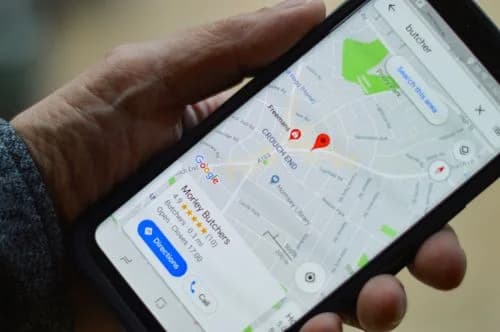
If your business serves a local area or has a physical presence, then claiming your Google Business Profile is one of the most important things you can do, and it costs nothing. When someone searches for a business like yours in their area, Google often serves a map pack result before anything else. If you are not listed, you are invisible to a huge portion of potential customers.
Completing your profile fully makes a significant difference. Add your business hours, a detailed description, high-quality photos, your website link, and encourage your early customers to leave reviews. Reviews are one of the most powerful trust signals available to a new business, and a steady stream of genuine, positive feedback can do more for your reputation than many paid campaigns.
Practical advice: Set a reminder to update your Google Business Profile at least once a month. Post updates, share offers, and respond to every review you receive, whether positive or critical. Consistent engagement signals to Google that your listing is active and relevant.
Build a Content Strategy Around What Your Customers Are Actually Searching For
Content marketing is one of the most cost-effective long-term strategies available to a new business. By creating genuinely useful content that answers the questions your target customers are already asking, you can attract organic traffic from search engines without paying for it. The key word here is genuinely useful. Content that exists purely to rank, with no real value for the reader, is a waste of your time and theirs.
Want more insights like this?
Join thousands of marketers getting weekly tips and strategies.
Start by thinking about the problems your product or service solves. If you run a bookkeeping service for freelancers, for example, your potential clients are likely searching for things like how to manage self-assessment tax returns, what expenses freelancers can claim, or how to keep track of invoices. Each of those topics represents an opportunity to create a blog post, a guide, or an FAQ page that brings the right people directly to your website.
Free tools like Answer The Public and Google Trends can help you identify what people are actually searching for in your industry, without needing to invest in expensive keyword research software.
Practical advice: Aim to publish one well-researched, genuinely helpful piece of content per week. Consistency matters far more than volume in the early stages. Over time, this content compounds and becomes a significant source of organic traffic.
Use Social Media Strategically Rather Than Spreading Yourself Thin
One of the most common mistakes new businesses make with social media is trying to be active on every platform at once. The result is usually a collection of half-maintained accounts that fail to make any real impression. A much smarter approach is to identify where your target audience actually spends their time and focus your efforts there.
For a business-to-business service, LinkedIn is likely to deliver far more meaningful engagement than Instagram. For a visually led product, the opposite is probably true. Pick one or two platforms, commit to them properly, and build a genuine presence rather than a scattered one.
Social media does not need to be about hard selling. In the early stages of a new business, it is far more valuable for building awareness, establishing credibility, and creating a community around what you do. Share your expertise, give people a look behind the scenes, and engage with others in your industry. People buy from businesses they know, like, and trust, and social media is one of the most direct ways to build all three of those things on a limited budget.
Practical advice: Rather than creating entirely new content for every post, repurpose what you already have. A blog post can become a series of social posts, a short video, and an email newsletter. Maximising the value of content you have already created is one of the most efficient things you can do when resources are limited.
Email Marketing Remains One of the Highest-Value Channels Available
Despite being one of the oldest digital marketing channels, email marketing continues to deliver exceptional value for businesses of all sizes. For a new business with a growing audience, building an email list from day one is one of the smartest investments of your time you can make. Unlike social media followers, your email list is something you own and control. Platforms like Mailchimp and MailerLite offer free tiers that are more than sufficient for a new business starting out.
The key to effective email marketing is giving people a reason to sign up and a reason to stay subscribed. A free resource, a discount on a first order, or access to exclusive content can all serve as strong incentives. Once someone is on your list, treat them well. Send content that is relevant, helpful, and respectful of their time.
Practical advice: Add an email sign-up form to every page of your website, not just the homepage. Include a clear, compelling reason to subscribe rather than simply asking people to join your mailing list. The more specific the benefit, the higher your conversion rate will be.
Network Both Online and Offline Without Underestimating Either
Networking is perhaps the most underrated marketing activity available to a new business, and it is largely free. Whether that means attending local business events, joining industry forums, contributing to online communities, or simply reaching out to potential collaborators and referral partners, the connections you build in the early stages of your business can be enormously valuable.
Do not overlook the power of strategic partnerships either. If your business complements rather than competes with another local business, there is often an opportunity for mutual referrals, joint content, or shared promotions that benefit both parties at no cost to either.
Platforms like Eventbrite and local Chamber of Commerce listings are great starting points for finding relevant networking events in your area.
Practical advice: Approach networking with a genuine interest in helping others rather than purely focusing on what you can gain. The most valuable professional relationships are almost always built on reciprocity, and the businesses that give generously tend to receive generously in return.
Be Patient, Be Consistent, and Track What is Working
Marketing a new business on a small budget requires patience more than anything else. The channels that deliver the best long-term return, including organic search, content marketing, and email, take time to build momentum. It is easy to feel frustrated when results are not immediate, but consistency over several months is what separates the businesses that break through from those that give up too soon.
Whatever channels you invest your time in, make sure you are tracking their performance. Google Analytics, your social media insights, and your email open and click rates all tell you what is resonating and what is not. Use that data to refine your approach over time rather than guessing.
Bringing It All Together
Marketing a new business on a small budget is not about cutting corners, it is about being intentional. Every hour and every pound you invest should be working as hard as possible for you. Start with a strong digital foundation, build your organic presence through content and search, choose your social platforms wisely, grow your email list from the very beginning, and never underestimate the value of genuine human connection through networking.
None of these strategies require a large budget, but all of them require consistency, effort, and a genuine commitment to providing value to the people you are trying to reach. Get those fundamentals right, track your results honestly, and refine your approach as you grow. That is the formula that works for new businesses at every scale, in every industry.
Ian
Ian has worked in Digital Marketing for decades, and is a Google Partner for Google Ads and an expert in onsite and technical SEO. He has worked with hundreds of clients, helping them achieve success online, through SEO, PPC and Digital Marketing, working with local businesses through to national retailers.
View all posts →Related Articles
Our Complete Guide To Improving Your Google My Business Profile
In the world of local business marketing, your Google My Business profile isn't just another online listing, it's your digital shopfront that can make or break a potential customer's first impression.

Wordpress Websites Vs AI Websites
The decision between building a traditional WordPress website or embracing the new wave of AI-powered website builders has become one of the most significant choices facing businesses today. With Word...
What Is SEO And How Does It Work?
If you've ever wondered why some websites appear at the top of Google whilst others seem to vanish into the digital wilderness, you're asking the right question.