Our Complete Guide To Marketing Automation For Small Businesses
Marketing automation is one of those subjects that often gets filed under "things for bigger businesses with bigger budgets", and yet the reality is that small businesses arguably stand to benefit fro...

Marketing automation is one of those subjects that often gets filed under "things for bigger businesses with bigger budgets", and yet the reality is that small businesses arguably stand to benefit from it more than anyone else. When you are running a small team, wearing multiple hats and trying to keep every plate spinning at once, the idea of automating repetitive marketing tasks is not just appealing, it is genuinely transformative. This complete guide to marketing automation for small businesses is designed to walk you through what it actually is, what it can do for you, and how to get started without overcomplicating things or overspending in the process.
What Marketing Automation Actually Means
Marketing automation refers to the use of software and technology to handle marketing tasks automatically, tasks that would otherwise require manual input on a regular basis. This spans a wide range of activities, from sending a welcome email when someone joins your mailing list, to posting content across social media platforms at scheduled times, to nurturing a lead through a series of targeted emails based on their behaviour on your website.
The core principle is that you set up a process once, and the software handles the execution repeatedly and consistently, without you needing to be involved each time it runs. For a small business owner trying to manage sales, operations, customer service and marketing all at once, that kind of leverage is enormously valuable. Platforms like Mailchimp, HubSpot, and ActiveCampaign have made this technology accessible at a price point that works for smaller operations, so there is very little standing in the way of getting started.
Why Small Businesses Should Take This Seriously
There is a common misconception that marketing automation is only worth investing in once you have a large contact database or a dedicated marketing team behind you. This simply is not true. In fact, starting early, before your list grows and your processes become more complex, is precisely when building automation into your marketing makes the most sense. You are essentially building good habits and scalable systems from the ground up.
Consider the alternative. Without automation, every new subscriber to your email list requires a manual follow-up. Every abandoned cart on your e-commerce site goes unaddressed unless someone notices it and acts. Every social media post needs to be written, scheduled and published by hand. The cumulative time cost of all of this is significant, and more importantly, the inconsistency that comes with manual processes means some customers inevitably receive a better experience than others. Automation levels that out.
Email Marketing Automation
Email remains one of the highest-performing marketing channels available, and it is also one of the most logical places to begin with automation. The foundation of any good email automation strategy is a well-structured welcome sequence. When someone opts into your list, whether through a lead magnet, a contact form or a purchase, they are at their most engaged and most receptive. An automated welcome sequence, typically three to five emails delivered over a couple of weeks, allows you to introduce your brand, deliver value and begin building a relationship without you needing to lift a finger each time a new subscriber arrives.
Beyond the welcome sequence, email automation can be used to re-engage subscribers who have gone quiet, follow up with customers after a purchase, remind people about products they viewed but did not buy, and deliver targeted content based on the interests a subscriber has indicated through their behaviour. The key is segmentation, making sure the right message reaches the right person at the right time, rather than blasting the same content to everyone on your list regardless of where they are in their journey with your business.
Want more insights like this?
Join thousands of marketers getting weekly tips and strategies.
Where to start: Set up a simple welcome sequence using whichever email platform you are currently using. Even two or three well-written emails that introduce your business and offer something genuinely useful will make a meaningful difference to subscriber engagement.
Social Media Automation
Social media is one of the most time-consuming aspects of marketing for small businesses, and it is also one of the easiest areas to bring some automation into without losing the authenticity that makes social content effective. Tools like Buffer, Hootsuite, and Later allow you to plan and schedule content in batches, so rather than scrambling to post something every day, you can sit down once a week and map out your content calendar in a single focused session.
It is worth being clear about what social media automation can and cannot do for you. Scheduling posts is perfectly fine and genuinely helpful. Automating responses to comments or direct messages in a way that feels robotic or impersonal is another matter entirely, and can do more harm than good. The goal is to free up your time so that when you do engage with your audience, it is genuine and considered rather than rushed. Use automation to handle the logistical side of posting, and keep the human interaction exactly that, human.
Where to start: Pick one or two platforms where your audience is most active, and use a scheduling tool to plan two to three weeks of content in advance. Build a simple content calendar using a spreadsheet or a tool like Trello to keep things organised.
Lead Nurturing and CRM Integration
For many small businesses, the gap between someone showing interest and actually becoming a paying customer is where most of the opportunity gets lost. A potential customer fills in a contact form, receives a reply a day later, and by that point has already moved on to a competitor who responded within the hour. Marketing automation, particularly when connected to a CRM (Customer Relationship Management) system, can close that gap significantly.
When a lead comes in through your website, an automated system can immediately send them an acknowledgement email, assign a follow-up task to a member of your team, add them to a relevant email nurture sequence, and tag them based on which page or form they came through. All of this happens in seconds, without anyone in your business needing to act manually. Platforms like HubSpot's free CRM and Zoho CRM offer excellent starting points for small businesses looking to build this kind of infrastructure without a large upfront investment.
Where to start: Map out the journey a new lead takes from first contact to becoming a customer, and identify where the delays and drop-offs tend to happen. These are the points where automation can have the most immediate impact.
Automating Your Content Distribution
Publishing great content is only half the battle. Making sure it reaches your audience across the right channels is equally important, and this is another area where automation earns its place. Tools like Zapier can connect your blog or website to your email platform, your social channels and other distribution points, so that when you publish a new article or update a page, a notification or summary is automatically sent to the relevant places.
This kind of connected workflow removes the risk of publishing a piece of content and then forgetting to actually promote it, which happens more often than most people would like to admit. It also ensures consistency, so your audience knows to expect regular communication from you across the channels they use.
Measuring What Your Automation Is Actually Doing
Setting up automation and then never reviewing its performance is one of the more common mistakes small businesses make once they get started. Automation is not a set-and-forget solution, it is a set-and-refine one. Your email open rates, click-through rates, unsubscribe rates and conversion data all tell you something important about whether your automated sequences are working or whether they need adjusting.
Make it a habit to review your automated campaigns on a monthly basis. Look at which emails in a sequence perform well and which ones see a significant drop-off in engagement. Look at which social posts generate meaningful interaction and which ones go unnoticed. Use that data to improve what you have already built rather than constantly chasing new tools or tactics. The businesses that get the most from marketing automation are the ones that treat it as an ongoing process of refinement rather than a one-time setup task.
Where to start: Set a recurring reminder in your calendar to review the performance of your automated emails and scheduled social content once a month. Even a thirty-minute review session can reveal useful insights that will improve your results over time.
Building Your Automation Strategy Step By Step
The single biggest mistake small businesses make with marketing automation is trying to do everything at once. They sign up for a powerful platform, get overwhelmed by the features on offer, spend a few hours clicking around and then abandon the whole thing before a single automation has gone live. The answer to this is to start small, get one thing working well, and then build from there.
Begin with your email welcome sequence. Once that is running and delivering results, add a post-purchase follow-up sequence. Then look at your social media scheduling. Then explore lead nurturing. Each layer you add compounds on what came before, and before long you have a genuinely sophisticated marketing operation running in the background of your business, one that is working consistently even when you are focused on other things.
Bringing It All Together
Marketing automation for small businesses is not about replacing the human side of what you do. It is about giving yourself the time and consistency to do more of it. When the routine, repetitive tasks are handled automatically, you are free to focus on the relationships, the strategy and the creative work that actually moves your business forward.
The tools are accessible, the learning curve is manageable, and the return on the time you invest in setting things up properly is significant. Whether you are just getting started with a basic email sequence or you are ready to build out a fully integrated lead nurturing system, the most important thing is to begin. Pick one area of your marketing that currently costs you the most time and explore how automation can take some of that weight off your plate. That is where your journey into marketing automation starts, and from there, the possibilities are considerable.
Ian
Ian has worked in Digital Marketing for decades, and is a Google Partner for Google Ads and an expert in onsite and technical SEO. He has worked with hundreds of clients, helping them achieve success online, through SEO, PPC and Digital Marketing, working with local businesses through to national retailers.
View all posts →Related Articles
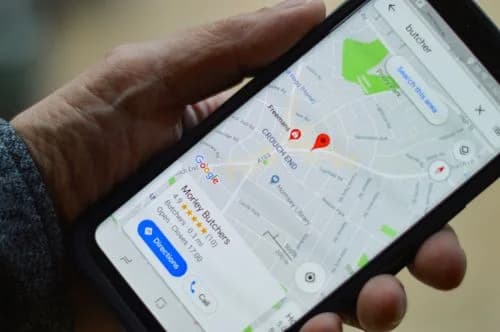
Our Complete Guide To Improving Your Google My Business Profile
In the world of local business marketing, your Google My Business profile isn't just another online listing, it's your digital shopfront that can make or break a potential customer's first impression.

Wordpress Websites Vs AI Websites
The decision between building a traditional WordPress website or embracing the new wave of AI-powered website builders has become one of the most significant choices facing businesses today. With Word...
What Is SEO And How Does It Work?
If you've ever wondered why some websites appear at the top of Google whilst others seem to vanish into the digital wilderness, you're asking the right question.