Our Complete Guide To On Page SEO
On page SEO is one of those disciplines that sits right at the heart of everything you do when trying to grow your visibility in search engines. It is not a new concept, and yet it remains one of the...
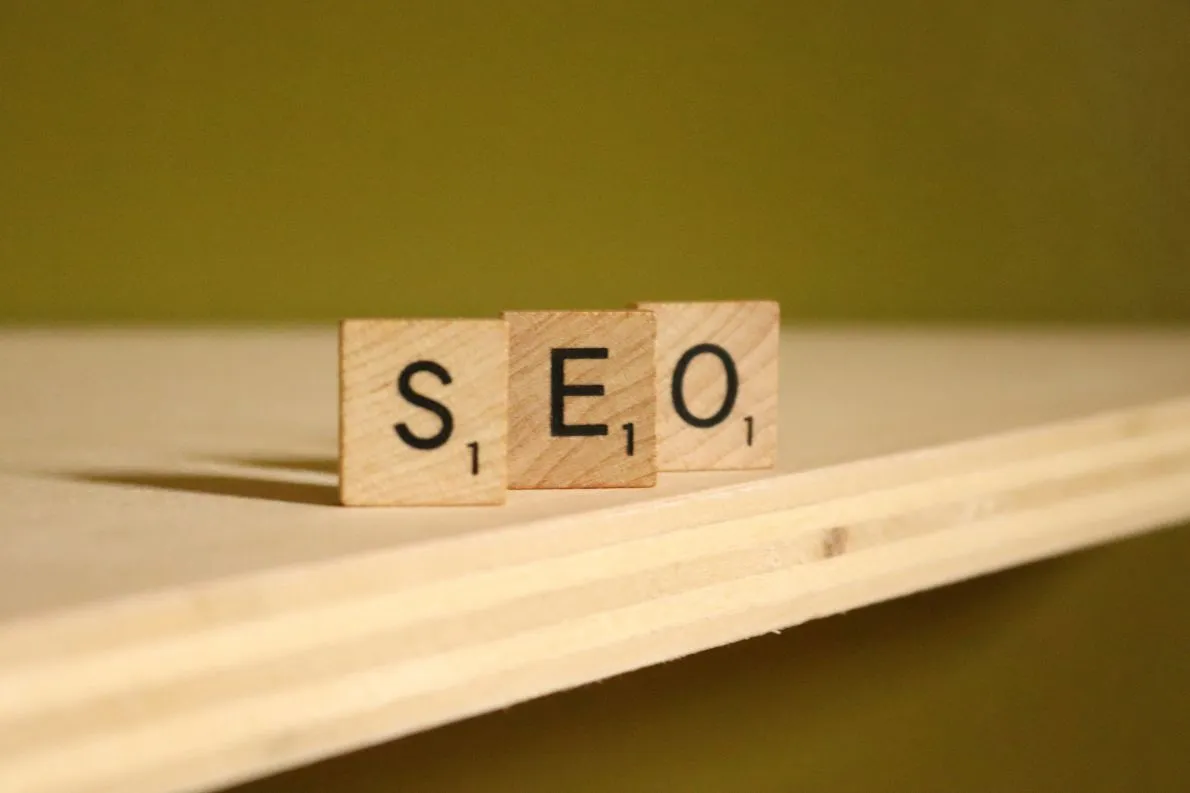
On page SEO is one of those disciplines that sits right at the heart of everything you do when trying to grow your visibility in search engines. It is not a new concept, and yet it remains one of the most misunderstood and frequently mishandled areas of digital marketing. Get it right and you give your content a genuine fighting chance of ranking well. Get it wrong and even the most compelling writing in the world can struggle to get the attention it deserves from Google and the other search engines. This complete guide to on page SEO is designed to walk you through everything that matters, from the fundamentals through to the finer details, so that you can approach your website with confidence and clarity.
What Is On Page SEO and Why Does It Matter
On page SEO refers to all of the optimisation work that takes place directly on your website pages, as opposed to off page factors like backlinks and brand mentions that happen elsewhere across the web. It covers everything from the words on the page through to the technical signals that tell search engines what your content is about and how valuable it is to a reader searching for that topic.
The reason it matters so much is straightforward. Search engines like Google are trying to match the right content to the right search query. If your pages are not clearly structured, well written, and properly optimised, you are essentially asking Google to guess what you are about. And Google does not like guessing. It rewards clarity, relevance, and quality, and on page SEO is the toolkit that helps you deliver all three of those things consistently.
Keyword Research Is the Starting Point
Before you write a single word, you need to understand what your audience is actually searching for. Keyword research is the process of identifying the terms and phrases that your target audience types into search engines when they are looking for what you offer. Without this step, you are essentially writing in the dark and hoping that the right people stumble across your content.
Tools like Ahrefs, SEMrush, and Google Keyword Planner give you a clear picture of search volumes, competition levels, and related terms that you might not have considered. The goal is not just to find high-volume keywords and stuff them into your content. It is to understand the intent behind a search, so that the page you create genuinely answers what the user is looking for. A page that satisfies search intent will almost always outperform a page that has simply been loaded with keywords.
When selecting keywords, think about the primary focus of the page, the supporting topics you want to cover, and the natural language variations that real people use when they search. All of these feed into a more rounded and effective on page strategy.
Title Tags and Meta Descriptions
Your title tag is arguably the single most important on page SEO element on any given page. It is the clickable headline that appears in search engine results, and it signals to both Google and the user what the page is fundamentally about. Every page on your website should have a unique, descriptive title tag that incorporates your primary keyword naturally and compellingly.
The general best practice is to keep title tags to around 60 characters, as anything longer is likely to be truncated in search results. More importantly, the title should be written for the person reading it, not purely for the algorithm. A title that reads naturally and speaks directly to what the user is searching for will generate better click-through rates, and better click-through rates send positive signals back to search engines.
Meta descriptions do not directly influence rankings in the way that title tags do, but they play a significant role in whether someone actually clicks on your result. Think of the meta description as your opportunity to make a compelling case for why your page is worth visiting. Keep it to around 155 characters, make it relevant to the page content, and use it to reinforce the value that the reader will get by clicking through.
Want more insights like this?
Join thousands of marketers getting weekly tips and strategies.
Header Tags and Content Structure
The way you structure your content using header tags, specifically H1 through to H6, has a real impact on both user experience and search engine understanding. Your H1 is the main heading of the page and should clearly reflect the primary topic you are covering. Each page should have only one H1, and it should contain your primary keyword in a natural and readable way.
H2 and H3 tags then help you break the content into logical sections that are easy to navigate. This matters to readers because it allows them to scan the page and find the information they need quickly. It matters to search engines because it provides additional context about the breadth and depth of what you are covering. A well-structured page with clear header hierarchy communicates authority and organisation in a way that a wall of unbroken text simply cannot.
Think of your header structure as a table of contents for your page. Each heading should introduce a distinct section and give the reader a clear idea of what that section covers before they read a single paragraph beneath it.
Writing Content That Earns Its Place in Search Results
Content quality is at the core of on page SEO, and there is no shortcut around it. Google has invested enormous resources into understanding what makes content genuinely useful to a reader, and its algorithms are now remarkably good at distinguishing between content written to serve the user and content written purely to chase rankings.
The content on your pages should be comprehensive, accurate, and written with a clear understanding of what someone searching for that topic actually wants to know. This does not mean every page needs to be thousands of words long. It means every page should be exactly as long as it needs to be to fully address the topic it is covering. Some subjects demand depth and detail. Others are best served by clarity and conciseness.
Naturally incorporating your primary and secondary keywords throughout the body of the content is important, but it should never feel forced. If you find yourself awkwardly repeating a phrase in a way that reads unnaturally, that is a signal to step back and write more freely. Use synonyms, related terms, and varied phrasing. This kind of semantic richness actually improves your chances of ranking for a broader range of related queries, not just your exact target keyword.
Internal Linking and Page Architecture
Internal linking is one of the most underutilised tools in on page SEO. When you link from one page on your site to another using relevant anchor text, you are doing two valuable things at once. You are helping users discover related content that might be useful to them, and you are helping search engines understand the relationship between your pages and the overall structure of your site.
A well-considered internal linking strategy distributes authority throughout your site and ensures that your most important pages receive a meaningful level of internal equity. When you publish a new piece of content, take the time to go back to existing pages and add links to it where they are contextually relevant. This is a straightforward process that consistently gets overlooked, even by experienced marketers.
Use descriptive anchor text when linking internally. Avoid vague phrases and instead use language that tells both the reader and the search engine exactly what the linked page is about. This reinforces relevance and improves the overall coherence of your site architecture.
Image Optimisation
Images can significantly enhance the experience of reading a page, but they need to be handled correctly from an SEO perspective. Every image on your site should have a descriptive alt text attribute that explains what the image shows. This serves two purposes: it makes your content accessible to users who rely on screen readers, and it gives search engines additional context about the content of your page.
File size is equally important. Large, uncompressed images slow down page load times, and page speed is a confirmed ranking factor. Tools like Squoosh allow you to compress images without a visible loss of quality, and choosing the right file format for each image type can make a considerable difference to load performance. File names should also be descriptive rather than a random string of numbers or letters generated by your camera or phone.
Page Speed and Core Web Vitals
Page speed deserves its own focus within any serious on page SEO strategy. Google has made it clear through the introduction of Core Web Vitals that the technical performance of your pages is a ranking consideration. Metrics like Largest Contentful Paint, Cumulative Layout Shift, and Interaction to Next Paint all measure different aspects of how quickly and smoothly a page loads and responds to user interaction.
You can assess your performance using Google PageSpeed Insights, which provides specific recommendations for improvement. Addressing these issues may require some technical knowledge, but many of the most impactful changes, such as enabling browser caching, reducing server response times, and optimising images, are accessible to most website owners with the right guidance.
URL Structure
Your page URLs are a small but meaningful part of on page SEO. A clean, descriptive URL that reflects the content of the page is preferable to a long, confusing string of parameters and numbers. Keep URLs short, use hyphens to separate words, and include your primary keyword where it fits naturally. A URL like yoursite.co.uk/on-page-seo-guide communicates far more to both users and search engines than something like yoursite.co.uk/page?id=4852.
Once a URL is live and indexed, changing it requires careful handling including proper 301 redirects to avoid losing the equity that page has accumulated. So it is worth getting your URL structure right from the outset rather than having to revisit it later.
Putting It All Together
On page SEO is not a one-time task that you complete and then forget about. It is an ongoing process of reviewing, refining, and improving the pages on your site as your understanding of your audience grows and as search engine algorithms continue to evolve. The fundamentals covered in this guide, from keyword research and content quality through to technical performance and internal linking, form the bedrock of a solid on page SEO strategy.
If you approach each page with a genuine desire to serve the person reading it, and you back that up with the technical and structural best practices outlined here, you will be in a far stronger position than the vast majority of your competitors. On page SEO rewards consistency, attention to detail, and a commitment to quality. Start with the basics, build good habits, and revisit your pages regularly to ensure they remain as relevant and well-optimised as possible.
Ian
Ian has worked in Digital Marketing for decades, and is a Google Partner for Google Ads and an expert in onsite and technical SEO. He has worked with hundreds of clients, helping them achieve success online, through SEO, PPC and Digital Marketing, working with local businesses through to national retailers.
View all posts →Related Articles
Our Complete Guide To Improving Your Google My Business Profile
In the world of local business marketing, your Google My Business profile isn't just another online listing, it's your digital shopfront that can make or break a potential customer's first impression.

Wordpress Websites Vs AI Websites
The decision between building a traditional WordPress website or embracing the new wave of AI-powered website builders has become one of the most significant choices facing businesses today. With Word...
What Is SEO And How Does It Work?
If you've ever wondered why some websites appear at the top of Google whilst others seem to vanish into the digital wilderness, you're asking the right question.