
Our Complete Guide To Shopify SEO
If you run an online store on Shopify, you already know that getting traffic to your store is just as important as the products you sell. You can have the most beautifully designed storefront and the...
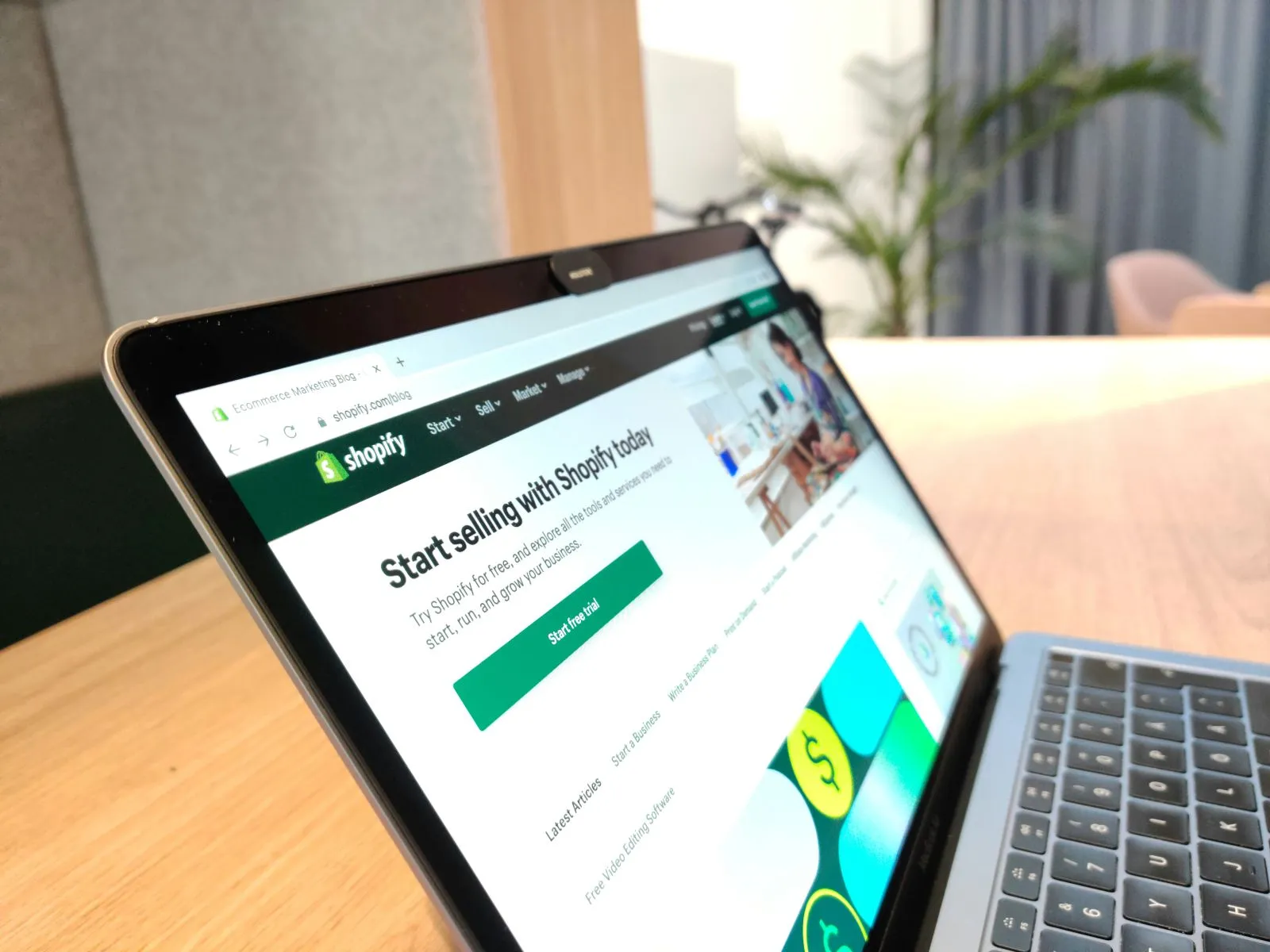
If you run an online store on Shopify, you already know that getting traffic to your store is just as important as the products you sell. You can have the most beautifully designed storefront and the most compelling product range in your niche, but if nobody can find you through search, you are fighting an uphill battle that you do not need to be fighting. Shopify SEO is one of those topics that gets talked about a lot but is rarely explained in a way that actually helps store owners take meaningful action. This guide is designed to change that. Whether you are just starting out or you have been running your store for a while and want to push things further, understanding how to optimise your Shopify store for search engines is one of the most valuable investments of time you can make in your business.
Why Shopify SEO Deserves Your Full Attention
Paid advertising has its place, and there is no question that platforms like Google Ads and Meta can drive traffic quickly. But organic search traffic is something different entirely. It compounds over time, it does not disappear the moment you stop spending, and it brings people to your store who are already searching for exactly what you sell. That is an incredibly powerful position to be in. Shopify, as a platform, gives you a solid foundation to build upon, but it is not without its quirks, and if you are not aware of the common pitfalls and best practices, you can end up with a store that performs well below its potential in search results. Getting to grips with Shopify SEO is not about gaming the system; it is about making sure your store communicates clearly with search engines so that the right people can find you at the right moment.
Understanding How Shopify Handles SEO
Before diving into the tactics, it is worth understanding what Shopify does for you out of the box. Shopify automatically generates a sitemap for your store, which is a structured file that helps search engines like Google discover and crawl your pages. It also produces canonical tags to help manage duplicate content, and it provides editable title tags and meta descriptions for all of your key pages. These are genuinely useful features, and they give you a head start that many other platforms do not. However, having these tools available and actually using them well are two very different things. Many store owners leave their title tags as defaults, never touch their meta descriptions, and give little thought to how their page structure communicates with search engines. That is where the real opportunity lies.
Keyword Research Is The Foundation Of Everything
Every solid Shopify SEO strategy begins with keyword research, and this is an area that many store owners either skip entirely or approach without enough rigour. The goal of keyword research is to understand what your potential customers are actually typing into Google when they are looking for products like yours. Tools like Ahrefs, SEMrush, and even Google's Keyword Planner can give you genuine insight into search volumes and keyword difficulty. What you are looking for is a mix of broader category terms and more specific, intent-driven phrases. Someone searching for "men's leather boots" is browsing; someone searching for "men's brown leather Chelsea boots size 10" is ready to buy. Both types of keyword matter, but they belong in different places across your store, and understanding that distinction will shape your entire content and optimisation strategy.
Want more insights like this?
Join thousands of marketers getting weekly tips and strategies.
Optimising Your Product Pages
Product pages are the commercial heart of your Shopify store, and they deserve careful attention when it comes to SEO. Each product page should have a unique, descriptive title tag that includes the primary keyword you want that page to rank for. Your meta description should be a compelling, accurate summary of the product that encourages clicks. Beyond the technical elements, your product descriptions themselves play a significant role. Thin, generic descriptions that read like they have been lifted straight from a manufacturer's spec sheet do very little for your search rankings. Instead, write descriptions that are genuinely useful to the customer, answer the questions they are likely to have, and naturally incorporate the language they would use when searching. Image alt text is another area that is consistently overlooked. Every product image should have a descriptive alt tag that tells search engines what the image shows, because Google cannot interpret images the way a human can, and those alt tags contribute to your overall keyword relevance.
Your Collection Pages Are Just As Important
One of the most common mistakes Shopify store owners make is pouring effort into their product pages while largely ignoring their collection pages. In reality, collection pages often have far greater SEO potential because they target broader category-level keywords that carry significant search volume. If you sell skincare products, for example, your individual product pages might target specific product names, but your collection page for "natural face moisturisers" could capture a huge amount of traffic from people searching at that category level. Each collection page should have a well-crafted title tag, a considered meta description, and a short but meaningful introductory text section that contextualises the collection and incorporates relevant keywords naturally. Many Shopify themes allow you to add text above or below the product grid, and this is prime real estate for SEO content that also helps customers understand what they are browsing.
Site Structure and Internal Linking
How your store is structured matters enormously, both for search engines and for the people navigating it. A logical, clean site structure helps Google understand the hierarchy and relevance of your pages, and it ensures that link equity, which is the authority passed between pages, flows through your store in a way that benefits your most important pages. Your homepage should link to your main collection pages, your collection pages should link to relevant products, and where it makes sense, your products and collections should link to supporting content like blog posts or buying guides. Internal linking is one of the most underutilised tactics in Shopify SEO, and yet it costs nothing and can make a meaningful difference to how your pages perform in search results. Think of your store as an interconnected ecosystem rather than a series of isolated pages, because that is exactly how Google sees it.
Page Speed and Technical Performance
Page speed is a confirmed ranking factor for Google, and it is something that Shopify store owners need to take seriously. Shopify's infrastructure is generally solid, but there are plenty of ways your store can accumulate performance issues over time. Too many third-party apps, large uncompressed images, and bloated theme code are the most common culprits. You can use Google's PageSpeed Insights to assess your store's performance and identify specific areas that need attention. Images in particular are worth prioritising. Using modern formats like WebP and ensuring your images are appropriately sized before uploading them to Shopify can have a noticeable impact on your load times. A store that loads quickly provides a better experience for customers and sends positive signals to search engines, so the benefits extend well beyond SEO alone.
Building A Content Strategy Around Your Store
Shopify includes a built-in blogging feature that many store owners either ignore completely or use inconsistently without a clear strategy behind it. This is a significant missed opportunity. A well-maintained blog gives you a way to target informational keywords, which are the kinds of searches people make when they are in the research phase of buying rather than ready to purchase immediately. By creating genuinely useful, well-written content that answers the questions your target audience is asking, you can attract visitors earlier in their buying journey and build the kind of brand familiarity that eventually converts into sales. Topics like buying guides, comparisons, care instructions, or industry insights can all serve this purpose well. Each piece of content you publish is also an opportunity to build internal links back to your collection and product pages, reinforcing their relevance and authority.
Earning Backlinks To Your Shopify Store
Backlinks, which are links from other websites pointing to yours, remain one of the most important ranking factors in Google's algorithm. Building them takes time and effort, but there is no shortcut that replaces the genuine authority a strong backlink profile provides. For Shopify store owners, some of the most effective approaches include reaching out to relevant bloggers and publications for product features, creating genuinely useful resources that people want to reference and link to, getting listed in relevant directories and roundups, and building relationships with complementary brands for cross-promotional opportunities. It is worth noting that not all backlinks carry equal value. A single link from a well-regarded, relevant website will do far more for your SEO than dozens of low-quality links from directories nobody visits. Focus on quality over quantity and approach link building as a long-term, relationship-driven activity.
Using Google Search Console To Monitor Your Progress
No Shopify SEO strategy is complete without connecting your store to Google Search Console. This free tool gives you direct insight into how Google sees your store, which queries are driving impressions and clicks, which pages are being indexed, and whether there are any crawl errors or technical issues you need to address. Checking Search Console regularly allows you to spot opportunities, such as pages that are generating impressions but very few clicks, which often signals that your title tags and meta descriptions need improving. It also lets you submit your sitemap directly to Google, which helps ensure that new pages are discovered and indexed promptly. The data available in Search Console is genuinely invaluable, and using it consistently puts you in a much stronger position to make informed decisions about where to focus your optimisation efforts.
Bringing It All Together
Shopify SEO is not a one-time task you complete and then set aside. It is an ongoing process of refinement, monitoring, and improvement. The stores that perform best in organic search are the ones where the owners treat SEO as a core part of how they run their business rather than an afterthought. Start with strong keyword research, build your optimisation outward from there through your product and collection pages, make sure your site structure is clean and logical, invest in content that serves your audience, and keep a close eye on your technical performance. None of these things are beyond the reach of any store owner who is willing to put in the work, and the returns that come from doing them well are substantial and long-lasting. Shopify gives you a capable platform to work with; your job is to make the most of it.
Ian
Ian has worked in Digital Marketing for decades, and is a Google Partner for Google Ads and an expert in onsite and technical SEO. He has worked with hundreds of clients, helping them achieve success online, through SEO, PPC and Digital Marketing, working with local businesses through to national retailers.
View all posts →Related Articles
Our Complete Guide To Improving Your Google My Business Profile
In the world of local business marketing, your Google My Business profile isn't just another online listing, it's your digital shopfront that can make or break a potential customer's first impression.

Wordpress Websites Vs AI Websites
The decision between building a traditional WordPress website or embracing the new wave of AI-powered website builders has become one of the most significant choices facing businesses today. With Word...
What Is SEO And How Does It Work?
If you've ever wondered why some websites appear at the top of Google whilst others seem to vanish into the digital wilderness, you're asking the right question.