
How To Create Location Pages That Actually Rank
Location pages are one of those things that many businesses treat as an afterthought. They create a template, swap out the town name, publish it, and then wonder why it is not ranking. The reality is...

Location pages are one of those things that many businesses treat as an afterthought. They create a template, swap out the town name, publish it, and then wonder why it is not ranking. The reality is that Google has become extraordinarily good at identifying thin, duplicated local content, and if your location pages are not genuinely useful and properly structured, they will not perform in the way you are hoping. If you are serious about ranking locally across multiple areas, then understanding how to create location pages that actually rank is one of the most valuable skills you can develop for your business or your clients.
Why Most Location Pages Fail
The most common reason location pages fail to rank is that they offer nothing of real substance to the person reading them. A page that simply says "We provide plumbing services in Bristol" and then repeats that same sentence in a dozen different ways is not going to convince Google that your page deserves a place at the top of the results. Search engines are looking for pages that genuinely serve the user, and a page that exists purely to target a keyword is not doing that.
Beyond thin content, many location pages also suffer from poor internal linking, no unique metadata, and a complete absence of locally relevant signals. These are all fixable problems, but fixing them requires a deliberate and methodical approach rather than a quick batch upload of templated pages.
Start With Genuine Local Research
Before you write a single word, you need to understand the location you are targeting. This sounds obvious, but it is a step that is routinely skipped. What are the specific needs of customers in that area? Are there local landmarks, business districts, transport links, or community concerns that are relevant to your service? Is the area predominantly residential or commercial? All of this context helps you write content that feels genuinely connected to the location rather than just having the place name inserted into a generic template.
Tools like Google Trends can help you understand how search behaviour differs by region, and spending time on local news websites or community forums can give you insight into what matters to people in that specific area. This level of research is what separates a location page that ranks from one that simply exists.
Unique Content Is Not Optional
Every location page on your site needs to be genuinely unique. This does not mean rewriting the same information slightly differently. It means creating content that is specifically relevant to that location and that location alone. If you are a roofing company targeting multiple cities, the page for each city should speak to the specific housing stock, weather patterns, or planning considerations relevant to that area rather than recycling the same copy with a different town name at the top.
Want more insights like this?
Join thousands of marketers getting weekly tips and strategies.
Think about what a local customer would actually want to know. What are the most common issues in that area that relate to your service? Are there specific regulations or council requirements that differ from other locations? Does your team have particular knowledge of the area? Weaving these kinds of details into your content gives it genuine depth and local relevance, which is exactly what Google is looking for when deciding which pages deserve to rank.
Structure Your Page With Purpose
A well-structured location page is not just better for SEO, it is better for the user, and ultimately that is what drives results. Your primary keyword, in this case your service combined with the location, should appear naturally in the page title, the H1, and within the first paragraph of body copy. From there, use supporting headings to break up the content into logical sections that guide the reader through what you offer, why you are the right choice locally, and how to get in touch.
Schema markup is also worth implementing properly on location pages. LocalBusiness schema from Schema.org allows you to communicate key details to search engines in a structured format, including your address, phone number, opening hours, and geographic area served. This kind of structured data does not guarantee rankings, but it gives search engines more confidence in what your page represents.
Build Local Relevance Into Every Element
Local relevance goes beyond the body copy. Your meta title and meta description should both reference the location naturally and compellingly. Your images, where possible, should be relevant to the area and should always include descriptive alt text that incorporates the location. If you have a Google Business Profile, make sure it is connected to and consistent with the location page you are building, because consistency across platforms is a significant trust signal.
Internal linking is another area where location pages often fall short. Each of your location pages should be linked to from your main services pages, your homepage, and ideally from other relevant location pages where there is a geographic connection. A strong internal linking structure tells Google that your location pages are important parts of your site rather than orphaned pages floating in isolation.
Reviews and Social Proof Matter More Than You Think
One of the most powerful things you can do to strengthen a location page is to incorporate genuine customer reviews from that specific area. If someone in Manchester is reading your location page for Manchester, seeing reviews from other Manchester customers is far more reassuring than generic testimonials from unspecified locations. If your review platform allows you to pull in location-specific reviews, this is well worth doing.
Even if you cannot automate this, manually curating a small selection of reviews from customers in the area and displaying them on the relevant location page adds a layer of credibility that generic content simply cannot replicate. Platforms like Trustpilot often allow businesses to display relevant review widgets that can be embedded directly onto location pages.
Avoid Cannibalisation and Duplication
If you are creating location pages for several areas, you need to be careful about cannibalisation. This happens when multiple pages on your site compete for the same or similar keywords, which can dilute your rankings rather than strengthen them. Make sure each location page is targeting a distinct geographic area and that the content is differentiated enough that Google does not see them as duplicate or near-duplicate pages.
Using canonical tags correctly and ensuring that your location pages are not indexed in ways that create duplication issues is worth reviewing with a technical SEO perspective. Google's own guidance on canonicalisation is a useful reference point if you are unsure how to handle this technically.
Ongoing Optimisation Is Part of the Process
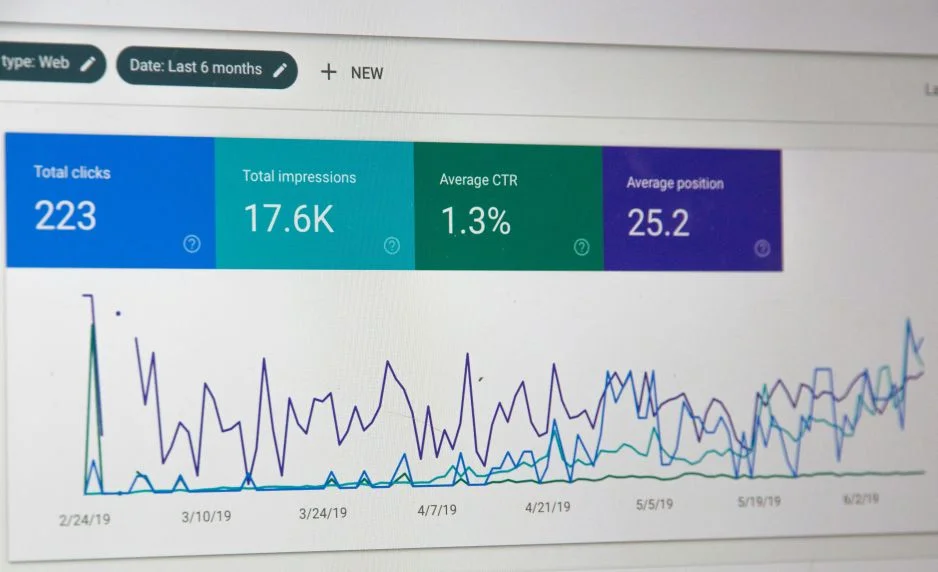
Publishing a location page and walking away is not a strategy. The pages that consistently rank well are the ones that are maintained, updated, and improved over time. Using Google Search Console to monitor how individual location pages are performing gives you the data you need to make informed decisions about where to invest further effort. If a page is appearing in search results but not receiving clicks, that is a sign your meta description or title needs work. If it is not appearing at all, the content or authority of the page may need attention.
Seasonal updates, the addition of new local information, and expanding the depth of content over time all contribute to a page that grows in authority rather than stagnating after the initial publication.
The Bigger Picture
Learning how to create location pages that actually rank is not about finding shortcuts or gaming the algorithm. It is about building pages that are genuinely useful to people in a specific area, that communicate trust and expertise clearly, and that are properly integrated into a well-structured website. The businesses that get this right consistently outperform those that rely on templated, low-effort content, and the gap between them only widens as search engines become more sophisticated. If you put the work in at the research and creation stage, the results will follow.
Ian
Ian has worked in Digital Marketing for decades, and is a Google Partner for Google Ads and an expert in onsite and technical SEO. He has worked with hundreds of clients, helping them achieve success online, through SEO, PPC and Digital Marketing, working with local businesses through to national retailers.
View all posts →Related Articles

Why Rankings Are A Poor Way To Measure Your SEO Campaign Success Rate
Too many people still rely on the tracking of keywords to rate their campaign, which as we go onto discuss, is not the best way of judging the success and effectiveness of your campaign.

The Link Building Mistakes That Will Catch You In The End
Links are still a fundamental part of SEO and improving rankings in the search engines and even though more emphasis than ever has been placed on how good and optimised your website is, link building is simply something that cannot be overlooked if you want long term success.
Why CRO Is Now As Important For SEO Than Ever Before
For years, the digital marketing world treated conversion rate optimisation (CRO) and search engine optimisation (SEO) as separate disciplines. SEO focused on driving traffic, CRO focused on convertin...