
How To Get A New Page Indexed By Google Faster
One of the most frustrating experiences in search engine optimisation is publishing a new page and then watching it sit in the shadows, unindexed and invisible to the world. You have done the work, yo...
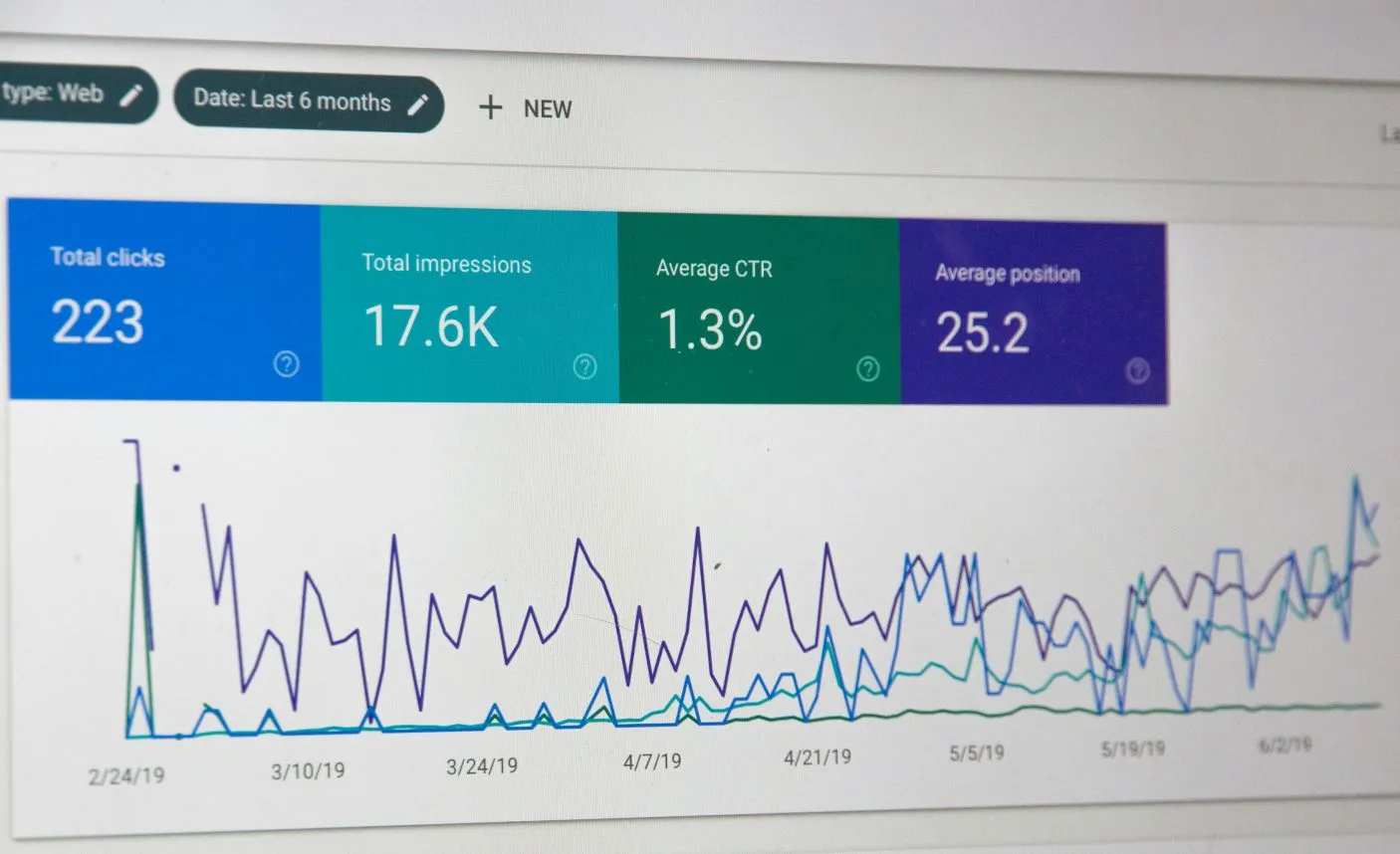
One of the most frustrating experiences in search engine optimisation is publishing a new page and then watching it sit in the shadows, unindexed and invisible to the world. You have done the work, you have written the content, you have optimised the page, and yet Google has not yet acknowledged its existence. For anyone serious about their online presence, understanding how to get a new page indexed by Google faster is not just useful knowledge, it is essential knowledge. The good news is that there are several proven approaches that can meaningfully accelerate the process, and this guide will walk you through each one in a practical, no-nonsense way.
Understanding Why Indexing Takes Time
Before diving into the methods, it is worth understanding why Google does not always index new pages immediately. Google's crawlers, known as Googlebot, continuously scan the web, but they do not visit every website at the same frequency. The crawl budget allocated to your site depends on a number of factors including your domain authority, the overall health of your site, how often you publish, and how well your existing content performs. A brand new website with no backlinks and little traffic history will naturally receive fewer crawl visits than an established publication that Google already trusts and regularly revisits. Understanding this context helps you appreciate why the tactics below actually work.
Submit Your URL Through Google Search Console
The most direct and immediate step you can take is to use the URL Inspection Tool inside Google Search Console. If you have not connected your website to Google Search Console yet, that is the very first thing you should do, because it gives you a direct line of communication with Google and provides you with a wealth of insight about how your site is being crawled and understood.
Once you are inside Search Console, you simply paste your new page's URL into the inspection tool at the top of the screen. Google will then check its index for that specific URL. If it is not indexed, you will see the option to request indexing. Click it, and Google will add that URL to a priority crawl queue. This is by far the most straightforward method available, and it is completely free to use.
Worth noting: This method works well for individual pages, but if you are launching a large batch of new content, you will need to combine this approach with the other methods below to get the best results.
Make Sure Your XML Sitemap Is Updated and Submitted
Want more insights like this?
Join thousands of marketers getting weekly tips and strategies.
An XML sitemap is essentially a roadmap that tells Google which pages exist on your website and when they were last updated. When you publish a new page, your sitemap should automatically update to include it, especially if you are using a platform like WordPress with a plugin such as Yoast SEO or Rank Math. Both of these tools handle sitemap generation automatically, which is one of the reasons they are so widely used.
Once you have confirmed your new page is present in the sitemap, head back into Google Search Console and navigate to the Sitemaps section. If your sitemap is already submitted, Google will continue to revisit it regularly. However, re-submitting it after a major content update or new page launch can prompt a faster crawl of the updated file. It signals to Google that something new is worth looking at, and that small nudge can make a real difference.
Build Internal Links to the New Page
Internal linking is one of the most underestimated techniques in SEO, and it is particularly powerful when it comes to getting new pages indexed quickly. When Googlebot visits your site, it follows links from one page to the next. If your new page is sitting in isolation with no internal links pointing to it, there is a much higher chance that crawlers will not find it quickly, or will not find it at all without a direct prompt.
Go into your existing content and find pages that are already being crawled regularly, ideally your most visited or most authoritative pages, and add a relevant, contextual link to your new page. The more logical and relevant the link feels to a reader, the better it will perform both for user experience and for crawlability. A new page that is connected to the rest of your site through a network of internal links is far more likely to be discovered and indexed promptly.
A practical approach: After publishing any new page, make it a habit to add at least two or three internal links from existing content before doing anything else. It takes very little time and consistently produces results.
Share the Page to Drive Crawl Activity
Google's crawlers do not limit themselves to visiting pages through your site structure alone. They also follow links from external sources across the web. When you share your new page publicly, whether through social media, an email newsletter, or a mention on an online forum or community, those shares and links create additional pathways for crawlers to discover your content.
Publishing your new page on platforms such as LinkedIn, sharing it via your business's social profiles, or including it in your next email broadcast are all sensible steps. Beyond driving potential traffic, these actions increase the likelihood that Googlebot will encounter the URL through one of these external routes and add it to the crawl queue sooner rather than later.
Earn or Build a Backlink to the New Page
If you can secure even one backlink from a reputable, already-indexed external website pointing to your new page, you will significantly increase the speed at which Google discovers and indexes it. This is because high-authority sites are crawled frequently, and when Googlebot visits one of those pages and finds a link to your new content, it will follow that link back to your site.
This does not have to mean launching a full-scale link building campaign. Something as simple as contributing a comment on a relevant industry blog with a link back to your new resource, reaching out to a partner business and asking them to reference your new page, or submitting the URL to a high-quality directory in your niche can all serve the same purpose. The key is that the linking site must itself be indexed and regularly crawled for this tactic to carry meaningful weight.
Ensure There Are No Technical Barriers Blocking Crawlers
All of the above efforts will be wasted if there are technical issues preventing Google from accessing your new page in the first place. It sounds obvious, but it is a surprisingly common issue. Check that the page is not accidentally set to noindex in its meta tags, which is a setting that explicitly tells Google to ignore the page. Also verify that the URL is not being blocked inside your robots.txt file, which can prevent crawlers from accessing entire sections of your site.
You can check both of these things directly within the URL Inspection Tool in Google Search Console. The tool will tell you clearly if the page is blocked, noindexed, or has any other crawlability issues that need to be resolved. Fixing these technical barriers is always the priority before any other indexing tactic will have the chance to work as intended.
Patience Still Has a Role to Play
Even after following every step outlined here, there will be occasions where indexing takes longer than you would like. For newer domains with less established authority, it may still take several days or even a couple of weeks before a page appears in Google's index. The methods above are about doing everything within your control to make the process as fast as possible, not about guaranteeing an instant result.
What matters most is that you build these habits into your standard publishing process so that every new page you create gets the best possible start. Submit via Search Console, update your sitemap, build internal links, share the content, pursue a backlink where possible, and always check for technical issues. Over time, as your site grows in authority and Google visits more frequently, you will find that new pages get indexed faster as a natural consequence of having a well-maintained and trusted website.
Ian
Ian has worked in Digital Marketing for decades, and is a Google Partner for Google Ads and an expert in onsite and technical SEO. He has worked with hundreds of clients, helping them achieve success online, through SEO, PPC and Digital Marketing, working with local businesses through to national retailers.
View all posts →Related Articles

Why Rankings Are A Poor Way To Measure Your SEO Campaign Success Rate
Too many people still rely on the tracking of keywords to rate their campaign, which as we go onto discuss, is not the best way of judging the success and effectiveness of your campaign.
The Link Building Mistakes That Will Catch You In The End
Links are still a fundamental part of SEO and improving rankings in the search engines and even though more emphasis than ever has been placed on how good and optimised your website is, link building is simply something that cannot be overlooked if you want long term success.
Why CRO Is Now As Important For SEO Than Ever Before
For years, the digital marketing world treated conversion rate optimisation (CRO) and search engine optimisation (SEO) as separate disciplines. SEO focused on driving traffic, CRO focused on convertin...