Top 5 Free SEO Tools Every Small Business Should Be Using
There are very few things in the world of digital marketing that are genuinely free and yet powerful enough to make a real difference to your online visibility. For small businesses operating on tight...
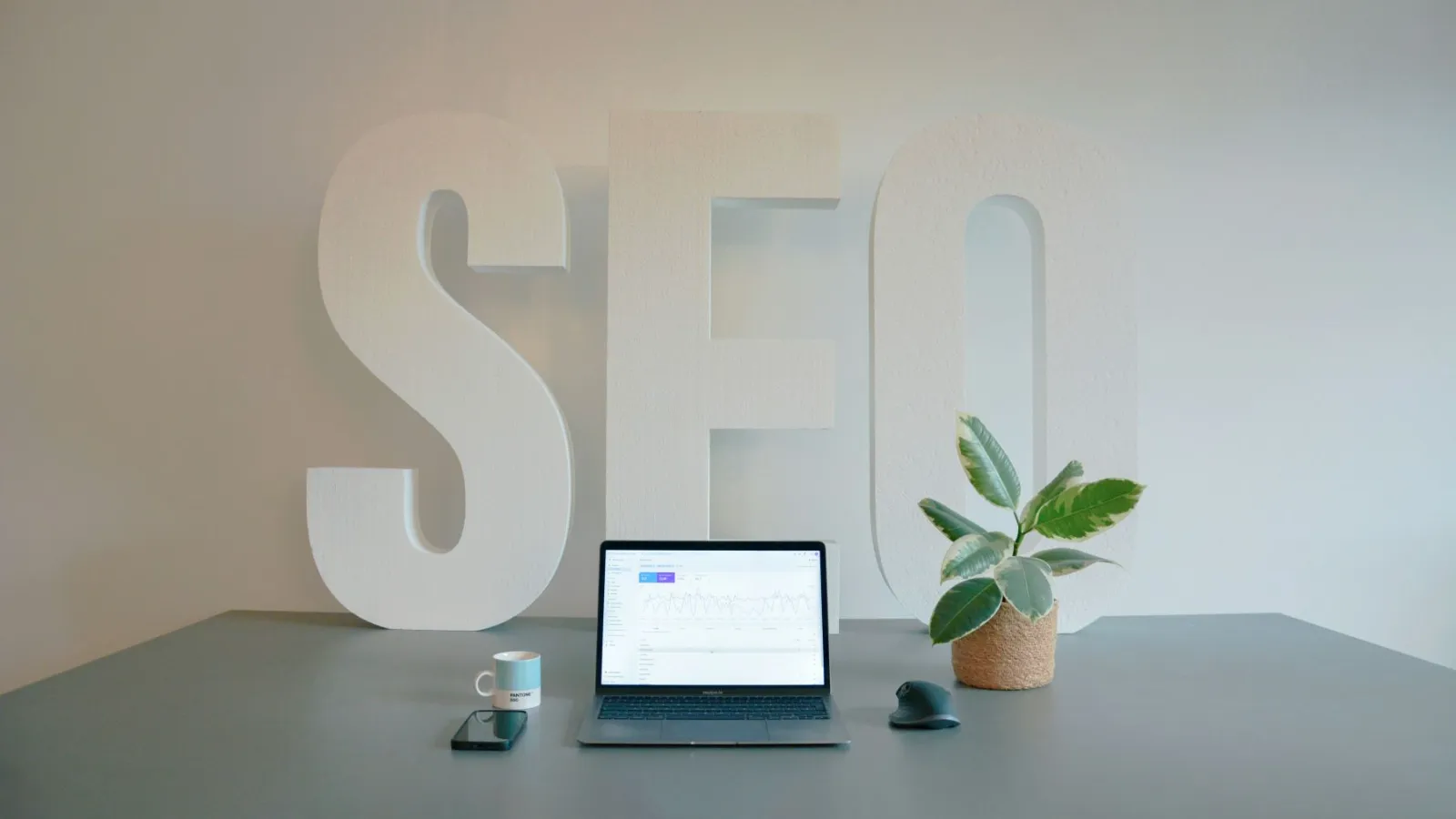
There are very few things in the world of digital marketing that are genuinely free and yet powerful enough to make a real difference to your online visibility. For small businesses operating on tight budgets, the idea of competing with larger, more established brands in the search results can feel like an uphill battle. But here is the thing: some of the most effective SEO tools available right now cost absolutely nothing, and if you are not using them, you are leaving valuable insight and opportunity on the table. Whether you are just starting to take SEO seriously or you have been trying to improve your rankings for a while, these five free tools should be the foundation of your strategy.
Google Search Console
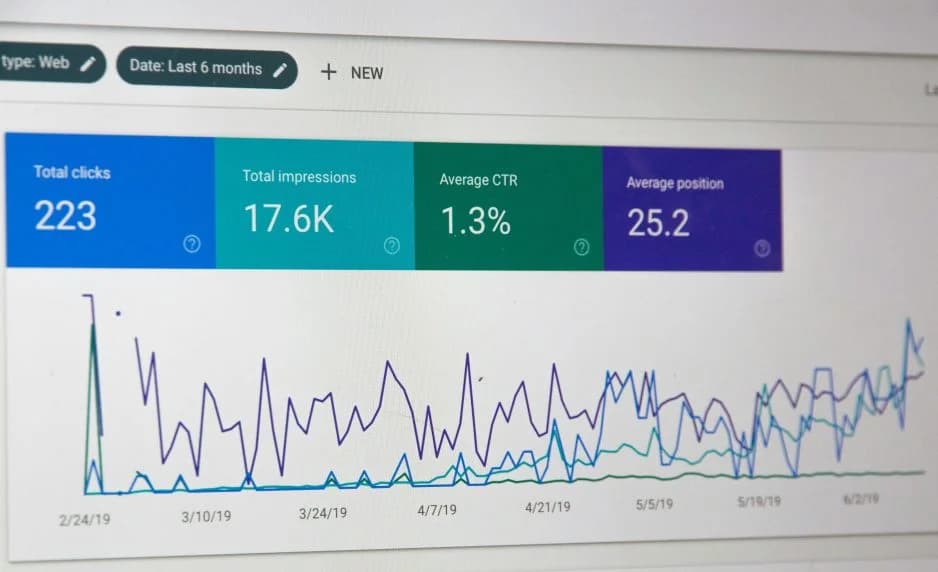
If there is one tool that every small business owner should have connected to their website before anything else, it is Google Search Console. This free platform, provided directly by Google, gives you access to a wealth of data about how your site is performing in the search results. You can see which search queries are bringing people to your site, which pages are getting the most impressions and clicks, and where your average position sits for specific keywords.
Beyond that, Google Search Console alerts you to crawl errors, indexing issues, and any manual actions that might be holding your site back. If Google cannot properly read or index a page on your site, that page is unlikely to rank, and without this tool you might not even know there is a problem. It also allows you to submit your sitemap directly to Google, which helps ensure new pages are discovered and indexed as quickly as possible.
For small businesses, the performance report alone is worth its weight in gold. You can see exactly what people are searching for when they find you, and that kind of insight can inform your content strategy, your page titles, and even the products or services you decide to promote. If you are trying to rank on Google, it makes complete sense to use the tools that Google itself gives you to understand how your site is performing within their ecosystem.
Google Analytics 4
Google Analytics 4 works hand in hand with Search Console and gives you a deeper understanding of what visitors are doing once they arrive on your site. Traffic numbers are important, but they only tell part of the story. What matters just as much is whether that traffic is engaging with your content, exploring multiple pages, and ultimately taking the actions you want them to take, whether that is filling in a contact form, making a purchase, or picking up the phone.
GA4 allows you to track user behaviour across your entire site, set up conversion events, and identify which pages are performing well and which ones are causing people to leave without doing anything. For a small business, understanding that a particular service page has a high exit rate can prompt you to look at the content, the page speed, or the call to action and make improvements that directly impact your bottom line.
Want more insights like this?
Join thousands of marketers getting weekly tips and strategies.
It also gives you an overview of where your traffic is coming from, so you can see how organic search compares to social media, direct visits, or referral traffic. This broader picture is essential when you are trying to prioritise where to focus your time and energy as a small business owner with limited resources.
Google Keyword Planner
Understanding what your potential customers are actually searching for is one of the most important elements of any SEO strategy, and Google Keyword Planner gives you direct access to that kind of data. Originally designed as a tool for Google Ads campaigns, Keyword Planner is just as useful for organic SEO research, particularly for small businesses that want to understand the search volume and competition level around specific terms before creating content.
You can enter a topic or a seed keyword and the tool will return a list of related keyword ideas along with their average monthly search volumes and a general indication of how competitive each term is. For a small business, this is particularly useful for identifying longer, more specific search terms, often referred to as long-tail keywords, where competition is lower and the intent of the searcher is usually much clearer.
For example, if you run a local accounting firm, targeting a broad term like "accountant" is going to be incredibly difficult. But identifying specific phrases like "self-assessment tax return help for freelancers" or "small business bookkeeping services" gives you a far more realistic opportunity to appear in the right searches and attract the right kind of visitors to your site.
Ubersuggest
Ubersuggest, created by Neil Patel, is one of the most accessible and beginner-friendly SEO tools available, and its free tier offers a solid range of features that are genuinely useful for small businesses. You can use it to analyse your own domain, research competitors, explore keyword ideas, and get a basic overview of your site's SEO health.
One of the most valuable features within the free version is the ability to look at competitor websites and see which keywords they are ranking for. If you are a small business trying to understand why a competitor is outranking you in certain areas, being able to see their top-performing pages and the keywords driving that traffic gives you a concrete starting point for your own content planning. Rather than guessing what to write about, you can identify gaps in your own content and fill them with targeted, well-optimised pages.
Ubersuggest also provides a site audit function that highlights technical SEO issues, including broken links, missing meta descriptions, and pages with slow load times. These kinds of technical problems can quietly drag down your rankings without you ever realising they exist, so having a tool that surfaces them clearly and explains what needs to be done is a genuine asset for any small business owner who may not have a dedicated SEO team behind them.
Screaming Frog SEO Spider
The free version of Screaming Frog SEO Spider allows you to crawl up to 500 URLs on your website and provides a detailed breakdown of your site's technical structure. For small business websites, this is usually more than enough to conduct a thorough technical audit and identify issues that could be preventing your pages from ranking as well as they should.
Screaming Frog crawls your site in much the same way that a search engine would, and it surfaces a wide range of issues including duplicate content, missing or duplicated title tags and meta descriptions, redirect chains, broken internal links, and pages that are accidentally blocked from being indexed. These are the kinds of technical details that can have a significant impact on how well your site performs in the search results, and they are easy to overlook if you are not specifically looking for them.
For a small business that has had a website built by an agency or a freelancer, running it through Screaming Frog is one of the best ways to get an honest picture of its technical health. You might discover that product pages are missing meta descriptions, that old pages are creating unnecessary redirects, or that some of your most important content is being blocked from the search engines entirely. Having that information puts you in a much stronger position to make informed improvements rather than relying on guesswork.
Making These Tools Work Together
The real power of these five tools comes not from using any one of them in isolation, but from using them together as part of a joined-up approach to SEO. Google Search Console tells you how your site is performing in the search results. Google Analytics 4 tells you what users are doing when they get there. Google Keyword Planner helps you identify the right terms to target. Ubersuggest gives you competitive intelligence and highlights areas for improvement. And Screaming Frog makes sure the technical foundations of your site are solid enough to support everything else you are trying to achieve.
Small businesses often assume that effective SEO requires expensive software subscriptions or a large in-house team. The reality is that a disciplined approach using these free tools, combined with consistent effort and genuinely useful content, can drive meaningful results over time. The businesses that tend to see the strongest organic growth are not necessarily the ones with the biggest budgets; they are the ones that make a habit of regularly checking their data, understanding what it is telling them, and acting on it.
If you have not already got all five of these tools set up and working for your business, that is the place to start. Connect Google Search Console and Google Analytics 4 to your site today, run a crawl with Screaming Frog, and spend some time in Keyword Planner and Ubersuggest exploring the search landscape in your industry. You may well be surprised by what you find, and more importantly, by the opportunities that are waiting to be taken advantage of.
Ian
Ian has worked in Digital Marketing for decades, and is a Google Partner for Google Ads and an expert in onsite and technical SEO. He has worked with hundreds of clients, helping them achieve success online, through SEO, PPC and Digital Marketing, working with local businesses through to national retailers.
View all posts →Related Articles

Why Rankings Are A Poor Way To Measure Your SEO Campaign Success Rate
Too many people still rely on the tracking of keywords to rate their campaign, which as we go onto discuss, is not the best way of judging the success and effectiveness of your campaign.
The Link Building Mistakes That Will Catch You In The End
Links are still a fundamental part of SEO and improving rankings in the search engines and even though more emphasis than ever has been placed on how good and optimised your website is, link building is simply something that cannot be overlooked if you want long term success.
Why CRO Is Now As Important For SEO Than Ever Before
For years, the digital marketing world treated conversion rate optimisation (CRO) and search engine optimisation (SEO) as separate disciplines. SEO focused on driving traffic, CRO focused on convertin...