
What Does Discovered Currently Not Indexed Mean And How Do You Fix It
If you have spent any time inside Google Search Console, there is a reasonable chance you have come across the coverage report and noticed a status that reads "Discovered, currently not indexed." For...
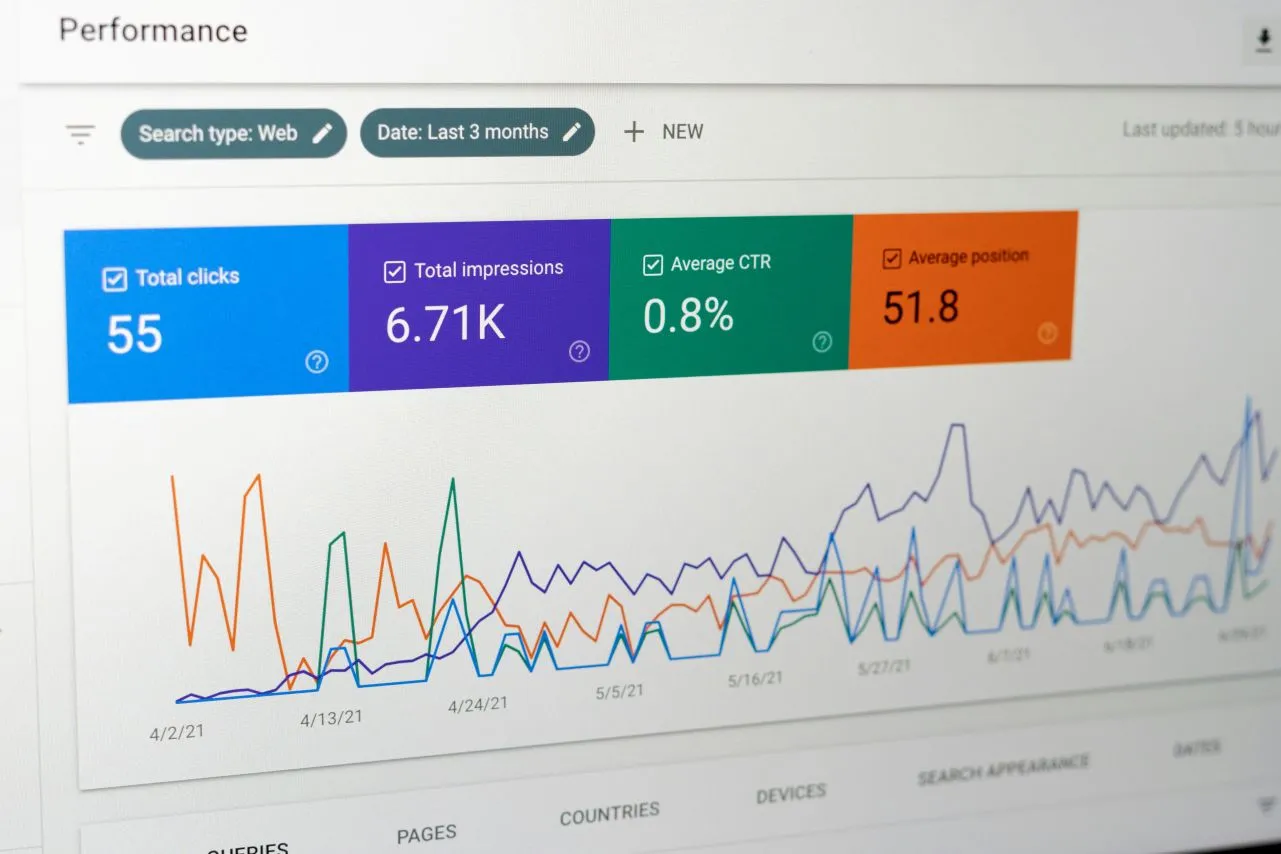
If you have spent any time inside Google Search Console, there is a reasonable chance you have come across the coverage report and noticed a status that reads "Discovered, currently not indexed." For many website owners and SEO practitioners, this message can be genuinely alarming, especially when it is attached to pages that you very much want Google to be crawling and ranking. Understanding what this status actually means, why it happens, and what you can do about it is one of those foundational SEO issues that can make a meaningful difference to your site's performance in search.
What Does Discovered Currently Not Indexed Actually Mean
In straightforward terms, "Discovered, currently not indexed" means that Google is aware your page exists but has chosen not to crawl or index it yet. The distinction here is important. Google has not necessarily rejected the page or flagged it as problematic. It has simply found the URL, added it to its queue, and then decided to come back to it later, or in some cases, not come back to it at all.
Google's crawl process is not as simple as visiting every page on the internet in a consistent rotation. The search engine operates a crawl budget, which is essentially a limit on how much time and resource Google will dedicate to crawling any given site. Larger, more authoritative sites with strong internal linking structures tend to have more of that budget allocated to them. Smaller or newer sites, or those with lots of pages but limited authority, may find that Google discovers URLs but deprioritises crawling them because it does not consider the content valuable enough to act on quickly.
So if you are seeing this status across multiple pages in your coverage report, it is not necessarily a crisis, but it is absolutely a signal worth paying attention to and acting on.
Why Does This Happen
There are several reasons why Google might discover a URL and then hold back from indexing it. It is rarely a single cause, and in most cases it is a combination of factors working against the page.
One of the most common reasons is a weak internal linking structure. If a page is only referenced once across your entire site, or buried several clicks away from your homepage, Google's crawler may simply not prioritise it. Pages that sit in isolation within a site's architecture tend to be deprioritised, because Google interprets low internal link equity as a signal that the content might not be particularly important to the site itself.
Another significant factor is overall site quality. If Google has crawled other parts of your website and found thin content, duplicate pages, or content that does not demonstrate clear expertise or value, it will apply that judgement more broadly. Pages on sites that have struggled to build authority will often sit in the discovered queue for extended periods as a result.
Server performance can also play a role. If your site is slow to respond or frequently returns errors when Googlebot visits, the crawler will become more cautious about spending its budget there. A site that makes crawling difficult, even unintentionally, will often see more pages accumulating in that discovered but unindexed status.
Want more insights like this?
Join thousands of marketers getting weekly tips and strategies.
How Crawl Budget Fits Into This
Crawl budget is a concept that Google has addressed directly in its developer documentation, and it is worth understanding if you are managing a site with a significant number of pages. Google's systems determine how often to crawl a site based on two things: crawl capacity, which is how much resource Google can allocate without overloading your server, and crawl demand, which is how much interest Google has in your content based on signals like popularity and freshness.
If your site has a large number of low-quality or duplicate pages, those pages are consuming crawl budget without adding value. This means genuinely useful and important pages can end up sitting undiscovered or unindexed simply because the budget is being eaten up elsewhere. Addressing crawl waste is therefore a practical step towards fixing the discovered, currently not indexed problem at scale.
How to Fix Discovered Currently Not Indexed
The good news is that this is a fixable situation for the vast majority of sites, and it does not require any dramatic technical overhauls in most cases. What it does require is a methodical approach and a willingness to improve the overall quality signals your site sends to Google.
Strengthen Your Internal Linking
The first thing to address is how well connected the affected pages are within your site. Go through your existing content and look for natural opportunities to link to the pages that are sitting in the discovered, not indexed queue. These should be contextually relevant links, placed within body content rather than shoved into footers or sidebars as an afterthought. The more pathways Google has to reach a page, the more likely it is to prioritise crawling it.
Improve the Quality of the Page Itself
Take a hard look at the content on the pages that are not being indexed. Ask yourself honestly whether the page adds genuine value to someone reading it. Does it address a specific need, answer a question thoroughly, or provide something that cannot easily be found elsewhere? If the answer is uncertain, that is worth acting on. Google's systems are increasingly good at identifying content that lacks depth, and pages that do not demonstrate clear value are exactly the kind of pages that end up sitting in the discovered queue indefinitely.
Submit the URL in Google Search Console
Inside Google Search Console, you can use the URL Inspection tool to manually request indexing for a specific page. This is not a guaranteed shortcut, and Google makes it clear that submitting a URL for indexing does not automatically mean it will be indexed. However, for pages that you are confident are high quality and well structured, this is a sensible step to take. It signals to Google that you consider the page important and prompts a fresh assessment.
Ensure Your XML Sitemap Is Up to Date
Your XML sitemap should only include the pages you actually want Google to index. If it contains pages that are thin, duplicated, or redirected, you are essentially drawing Google's attention to content that dilutes your site's quality signals. Audit your sitemap regularly and make sure it is a curated list of your most valuable pages. Submitting a clean, accurate sitemap through Google Search Console helps Google understand your site's structure and prioritise accordingly.
Address Technical Issues That Impede Crawling
Check your server response times and make sure your site is not returning errors when Googlebot visits. Use the coverage report and the page experience section within Google Search Console to identify any technical barriers. A site that loads quickly, responds consistently, and does not present crawlers with unnecessary obstacles will naturally attract more crawl activity over time.
Remove or Consolidate Low-Value Pages
If your site has a large number of pages that serve very little purpose, whether those are duplicate category pages, thin archive pages, or near-identical product listings, consider whether they should exist at all. Consolidating or removing low-value pages reduces crawl waste and helps concentrate Google's attention on the content that genuinely matters. This is a longer-term structural improvement, but for sites that are struggling with widespread indexing issues, it is often the most impactful change you can make.
Patience Is Part of the Process
It is worth being realistic about timelines here. Even after you have made all the right changes, Google does not re-evaluate pages overnight. Depending on your site's authority and the scale of the issues involved, it can take weeks or even months before you see meaningful movement in your coverage report. The important thing is to make the improvements methodically, monitor progress through Google Search Console, and avoid the temptation to make so many changes at once that you cannot identify what is actually working.
Understanding what does discovered currently not indexed mean and how do you fix it is genuinely useful knowledge for anyone serious about organic search performance. It is one of those issues that sits quietly in the background, limiting your site's potential while appearing far less urgent than a penalty or a manual action. In reality, resolving it consistently and thoughtfully is one of the most practical things you can do to improve how Google sees and engages with your website.
Ian
Ian has worked in Digital Marketing for decades, and is a Google Partner for Google Ads and an expert in onsite and technical SEO. He has worked with hundreds of clients, helping them achieve success online, through SEO, PPC and Digital Marketing, working with local businesses through to national retailers.
View all posts →Related Articles

Why Rankings Are A Poor Way To Measure Your SEO Campaign Success Rate
Too many people still rely on the tracking of keywords to rate their campaign, which as we go onto discuss, is not the best way of judging the success and effectiveness of your campaign.

The Link Building Mistakes That Will Catch You In The End
Links are still a fundamental part of SEO and improving rankings in the search engines and even though more emphasis than ever has been placed on how good and optimised your website is, link building is simply something that cannot be overlooked if you want long term success.
Why CRO Is Now As Important For SEO Than Ever Before
For years, the digital marketing world treated conversion rate optimisation (CRO) and search engine optimisation (SEO) as separate disciplines. SEO focused on driving traffic, CRO focused on convertin...