
What Is A SERP And How Do Search Results Pages Work
If you have ever typed a question into Google and hit enter, you have already interacted with a SERP, whether you knew it or not. Understanding what a SERP is and how search results pages actually wor...
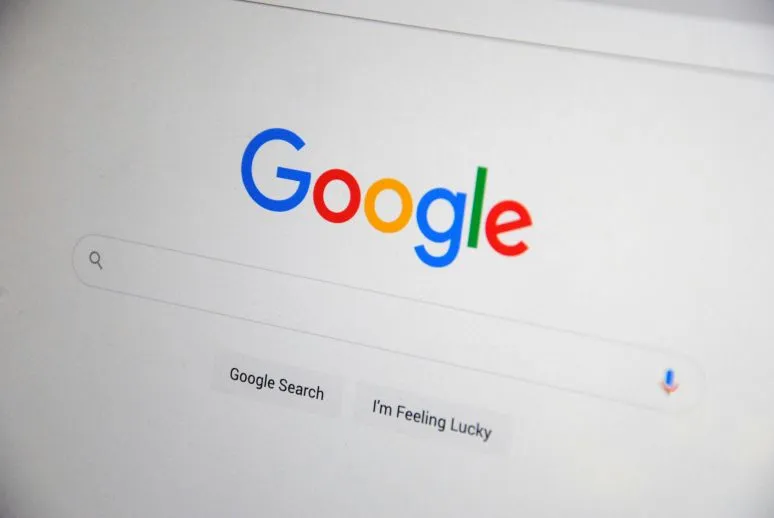
If you have ever typed a question into Google and hit enter, you have already interacted with a SERP, whether you knew it or not. Understanding what a SERP is and how search results pages actually work is one of the most fundamental pieces of knowledge anyone involved in digital marketing, content creation, or website management needs to get to grips with. It is not just technical jargon for SEO specialists; it is the very landscape in which your website either succeeds or gets buried, and knowing how that landscape is structured can make an enormous difference to the decisions you make.
What Is A SERP?
SERP stands for Search Engine Results Page. It is the page that a search engine, most commonly Google, displays in response to a query entered by a user. Every single time someone searches for something online, a SERP is generated, and that page is populated with a combination of organic results, paid advertisements, and an increasingly varied range of features that Google has introduced over the years to improve the search experience.
The SERP is not a static, one-size-fits-all page. It changes depending on the nature of the search query, the device being used, the location of the searcher, and the personalisation signals that search engines have gathered over time. A search for a local restaurant will generate a very different looking results page compared to a search for a technical software tutorial, and that distinction matters enormously for anyone trying to rank their content or reach their audience effectively.
The Core Components Of A Search Results Page
To truly understand how search results pages work, you need to be familiar with the different elements that can appear on them. Not all of these will appear on every SERP, but knowing what they are and why they appear gives you a clearer picture of how Google is thinking about any given search query.
Paid Advertisements
At the top and sometimes the bottom of a SERP, you will often find paid advertisements. These are delivered through Google Ads and are clearly labelled with a small sponsored tag. Advertisers bid on keywords through a pay-per-click auction system, meaning they pay each time someone clicks on their ad. For highly competitive industries, the top few results on a SERP can be entirely paid placements, which means organic results appear further down the page. This is why understanding both paid and organic strategies is important for any business operating online.
Organic Search Results
Organic results are the listings that appear because Google's algorithm has determined they are the most relevant and authoritative responses to the search query. These are not paid for directly; they are earned through good SEO practice, strong content, technical website health, and the accumulation of authority signals like backlinks. Ranking organically on a SERP is the goal of search engine optimisation, and the higher your organic position, the more visibility your website receives.
Want more insights like this?
Join thousands of marketers getting weekly tips and strategies.
The Local Pack
For searches with local intent, such as queries that include a location or phrases like "near me", Google will often serve a Local Pack. This is a map-based section of the SERP that displays a small selection of local businesses relevant to the search. These listings are pulled from Google Business Profile, which is why maintaining an accurate and complete business profile is so important for businesses that rely on local customers.
Featured Snippets
A featured snippet is a highlighted block of content that appears at the very top of a SERP, above the standard organic results. Google pulls this content from one of the ranking pages and displays it directly on the results page in an attempt to answer the user's question without them needing to click through. Featured snippets can appear as a paragraph of text, a numbered list, a table, or a short video clip depending on what best answers the query. Earning a featured snippet is sometimes referred to as ranking in position zero, and it can significantly increase visibility and click-through rates for the page that earns it.
People Also Ask
The People Also Ask box is another feature that now appears regularly on SERPs. It contains a series of related questions that Google predicts the searcher might also want answers to, and each question expands to reveal a short answer pulled from a relevant webpage. For content creators and SEO practitioners, these boxes are a valuable source of insight into how users are thinking about a topic and what additional questions they are asking around a given subject.
Knowledge Panels and Knowledge Graphs
When you search for a well-known brand, a public figure, or a clearly defined entity, you may see a Knowledge Panel appear on the right-hand side of the SERP on desktop. This panel pulls structured data from sources like Wikipedia and Google's own Knowledge Graph to present a summary of key information. For businesses, having a well-structured and verified presence across the web increases the likelihood of a Knowledge Panel appearing for branded searches.
Image And Video Results
Depending on the nature of the query, Google may also surface image carousels or video results directly within the SERP. A search for a recipe, a tutorial, or a product review is far more likely to include video results pulled from platforms like YouTube. This is a reminder that SEO is not limited to written content; having a presence across multiple content formats increases your chances of appearing in more diverse areas of the results page.
How Google Decides What Appears On A SERP
Google uses a complex and constantly evolving algorithm to determine which pages appear on a SERP and in what order. The core principle behind this is relevance and authority. Google wants to serve the most useful, accurate, and trustworthy result for every query it processes. It evaluates pages based on hundreds of signals including the quality and depth of the content, the technical performance of the website, the strength and relevance of the backlinks pointing to a page, and how well the content matches the intent behind a user's search.
Search intent is particularly important to understand here. Google categorises intent broadly into informational, navigational, commercial, and transactional. A user searching for "how to fix a leaking tap" has informational intent; they want guidance. A user searching for "buy a kitchen mixer" has transactional intent; they are ready to make a purchase. Google tailors the SERP accordingly, and the types of results that appear, whether that is blog posts, product pages, or comparison guides, reflect the intent Google has attributed to that query.
Why Understanding SERPs Matters For Your Digital Strategy
Understanding how search results pages are structured and what drives their composition is not optional knowledge for anyone serious about online marketing. The SERP is your competitive arena. Every element of it, from the paid ads at the top to the featured snippets and People Also Ask boxes, represents an opportunity or a threat, depending on how well you understand and respond to it.
If you are producing content without considering what the SERP looks like for your target keywords, you are essentially working blind. You might be writing long-form articles for queries where Google is serving quick answers through featured snippets, or you might be targeting keywords that are dominated by paid results with very little organic opportunity. Spending time analysing the SERPs for your most important keywords gives you a far clearer understanding of what Google expects to see and what you need to produce to compete effectively.
Tools like Google Search Console and third-party platforms such as Ahrefs and SEMrush allow you to analyse SERP features, track keyword rankings, and understand where your content is appearing and how it is performing. These are not luxury additions to your marketing toolkit; they are essentials.
Making The Most Of SERP Opportunities
The modern SERP offers more opportunities than ever to get your content in front of users, but it also presents more competition. Focusing solely on ranking in the traditional organic positions is no longer enough. Optimising your content for featured snippets by providing clear, structured answers to common questions, building and maintaining your Google Business Profile for local visibility, producing video content that can surface in video carousels, and using structured data markup to help Google better understand your content are all strategies worth investing in.
Understanding what a SERP is and how search results pages work is the foundation upon which every other aspect of SEO and paid search strategy is built. The businesses and content creators who take the time to study the SERP landscape for their audience are the ones who make smarter decisions, allocate their resources more effectively, and ultimately achieve better visibility online. Start by searching for your most important keywords and studying exactly what Google is serving back. What you find will tell you a great deal about what you need to do next.
Ian
Ian has worked in Digital Marketing for decades, and is a Google Partner for Google Ads and an expert in onsite and technical SEO. He has worked with hundreds of clients, helping them achieve success online, through SEO, PPC and Digital Marketing, working with local businesses through to national retailers.
View all posts →Related Articles

Why Rankings Are A Poor Way To Measure Your SEO Campaign Success Rate
Too many people still rely on the tracking of keywords to rate their campaign, which as we go onto discuss, is not the best way of judging the success and effectiveness of your campaign.
The Link Building Mistakes That Will Catch You In The End
Links are still a fundamental part of SEO and improving rankings in the search engines and even though more emphasis than ever has been placed on how good and optimised your website is, link building is simply something that cannot be overlooked if you want long term success.
Why CRO Is Now As Important For SEO Than Ever Before
For years, the digital marketing world treated conversion rate optimisation (CRO) and search engine optimisation (SEO) as separate disciplines. SEO focused on driving traffic, CRO focused on convertin...