Should You Delete A Social Media Account You No Longer Use
It is one of those questions that sits quietly in the back of your mind every time you scroll past an old platform you barely remember signing up for. Should you delete a social media account you no l...
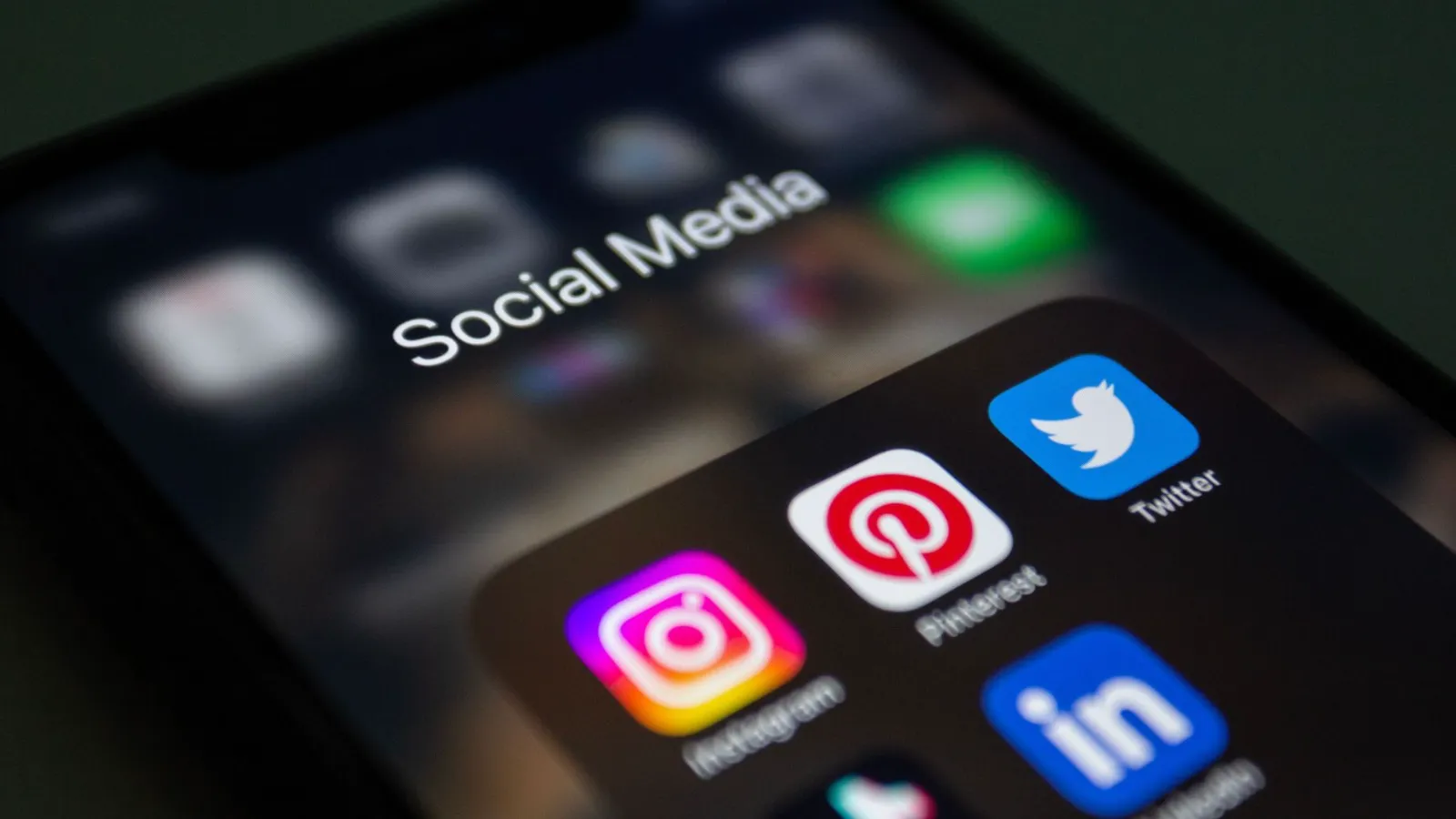
It is one of those questions that sits quietly in the back of your mind every time you scroll past an old platform you barely remember signing up for. Should you delete a social media account you no longer use, or is it simply harmless to leave it sitting there, gathering digital dust? The answer is more important than most people realise, and the reasons for acting on it go well beyond a desire for a tidier online presence. Whether we are talking about an old X (formerly Twitter) account from a decade ago, a MySpace profile you forgot existed, or a LinkedIn page you set up and never returned to, dormant accounts carry real risks that are worth understanding before you make a decision either way.
The Security Risk Of Leaving Old Accounts Open
One of the most compelling reasons to delete a social media account you no longer use is the security exposure it creates. When an account sits idle, you are unlikely to notice if something goes wrong with it. If the platform suffers a data breach, your email address, password, date of birth, and any other information you originally provided could be exposed without you ever knowing. Because most people used the same or similar passwords across platforms years ago, that single breach could potentially give someone access to far more than just a forgotten profile.
The reality is that cybercriminals do not care whether an account is active or not. In fact, dormant accounts can be more attractive targets because the owner is less likely to spot suspicious activity, respond to alerts, or revoke access before damage is done. Platforms like Have I Been Pwned allow you to check whether your email address has appeared in known data breaches, and it is a worthwhile exercise before deciding what to do with any old accounts.
The longer an account remains open and unmonitored, the longer that window of vulnerability stays open alongside it. For something that provides you with absolutely no benefit, that is a risk that is difficult to justify.
Your Personal Data Sitting On Someone Else's Servers
Every social media platform you have ever joined holds data about you. Some of it you knowingly provided, such as your name, location, and contact details. Some of it was gathered from your behaviour on the platform, the posts you liked, the links you clicked, the adverts you engaged with. Even if you stopped using the platform years ago, that data does not simply disappear. It continues to sit on their servers, subject to their privacy policies, which can and do change over time.
Under UK GDPR legislation, you have the right to request that your personal data be erased, commonly referred to as the right to be forgotten. Simply deactivating an account does not always achieve this. Deletion, followed by a formal data removal request where necessary, is the more thorough approach. If you care at all about where your personal information ends up and who has access to it, leaving dormant accounts open is working against your own interests.
The Reputational Angle People Often Overlook
Want more insights like this?
Join thousands of marketers getting weekly tips and strategies.
Consider what an old and unmanaged social media profile says about you or your business. Content that felt perfectly reasonable five or ten years ago may not reflect the values, tone, or professionalism you project today. Old opinions, outdated business information, incorrect contact details, and posts that no longer represent who you are can all linger on dormant profiles and be found by anyone who searches for you online.
For business owners and professionals in particular, this matters more than most people appreciate. A potential client or employer who finds an abandoned account with outdated branding, an old logo, or posts that conflict with your current messaging may draw conclusions that simply do not apply to who you are today. The digital footprint you leave behind shapes perceptions whether you intend it to or not, and an old account you have not thought about in years can quietly undermine the reputation you are actively working to build elsewhere.
If deletion feels too final, at the very minimum the account should be thoroughly reviewed, updated, and locked down with strong privacy settings. But for platforms you genuinely have no intention of returning to, deletion is the cleaner and more sensible option.
When Keeping An Account Actually Makes Sense
There are legitimate reasons to hold onto an account even when you are not actively using it. If you have built a following on a platform, even a modest one, that audience has value and walking away from it permanently closes a door that may be difficult to reopen. Similarly, if you operate in a sector where a particular platform is professionally relevant, maintaining a presence even a minimal one keeps you visible in that space.
Username ownership is another consideration that is easy to dismiss but worth thinking about. If your name or your brand name is registered on a platform and you delete the account, someone else can register that same username. For personal brands and businesses with recognisable names, losing control of a username on a major platform can create confusion and in some cases reputational problems if someone else uses it in a way that reflects poorly on you.
Archiving or memorialising an account, where the platform offers that option, can also be a middle ground worth exploring, particularly for personal accounts connected to life events or memories you want to preserve.
How To Approach The Decision Properly
Before you delete anything, it is worth taking a structured approach rather than acting impulsively. Start by auditing every social media account you have ever created. Tools like JustDeleteMe provide a useful directory of direct links to account deletion pages across hundreds of platforms, rated by how straightforward the deletion process actually is.
For each account, ask yourself the following:
Does this platform still serve any purpose for me personally or professionally?
Is there any content on this account I want to save before it is gone?
Could my username being available cause any harm to my brand or personal identity?
When did I last log in, and is there any realistic chance of that changing?
If the honest answer to all of those points points toward deletion, then the process is straightforward in most cases. Download any data you want to keep first, most major platforms offer a data export option within their settings. Then follow the official deletion process rather than simply deactivating, since deactivation often leaves your data and profile intact and merely hides it from public view.
For accounts tied to a business, make sure any connected advertising accounts, pixels, or third-party integrations are properly disconnected before you close anything down. Platforms like Facebook and Instagram in particular have interconnected business tools that need careful unwinding before the main account is deleted.
The Broader Habit Of Digital Housekeeping
The question of whether you should delete a social media account you no longer use is really part of a much bigger conversation about how intentional you are with your online presence. Most people accumulate digital accounts in the same way they accumulate subscriptions, signing up out of curiosity or necessity and then never revisiting the decision. The result is a scattered and unmanaged digital identity that serves neither security nor reputation well.
Making a habit of reviewing your online accounts annually, asking whether they are still relevant, still secure, and still aligned with how you want to present yourself is a genuinely worthwhile exercise. It takes very little time, but the benefits in terms of reduced security risk, better control of your personal data, and a more coherent online presence are real and lasting.
The Bottom Line
In most cases, if you no longer use a social media account and have no realistic intention of returning to it, deleting it is the right call. The risks of leaving it open, covering security, data privacy, and reputation, are tangible, whilst the benefits of keeping it are minimal at best. Take the time to audit what you have, save anything worth saving, and close what no longer serves you. Your future self, and your data, will be better off for it.
Ian
Ian has worked in Digital Marketing for decades, and is a Google Partner for Google Ads and an expert in onsite and technical SEO. He has worked with hundreds of clients, helping them achieve success online, through SEO, PPC and Digital Marketing, working with local businesses through to national retailers.
View all posts →Related Articles
How Facebook Can Drive Sales For Your Ecommerce Business
Facebook isn't just where your customers scroll through holiday photos and share memes. With over 2.9 billion active users globally, it's become one of the most powerful sales engines for ecommerce bu...
Best Platforms For Managing Social Media Advertising Campaigns
The best platforms for managing social media advertising campaigns don't just consolidate your workflow; they transform how you approach paid social strategy entirely.
The Content That Works Best For Your Business On Social Media
In the world of social media marketing, creating content that actually moves the needle for your business isn't about following every trend or copying what works for others.