
Why Video Content Performs Better On Social Media And How To Get Started
There is a reason why every major social media platform has shifted its focus, its algorithm, and its interface design around video content. It is not a coincidence, and it is not simply a passing tre...
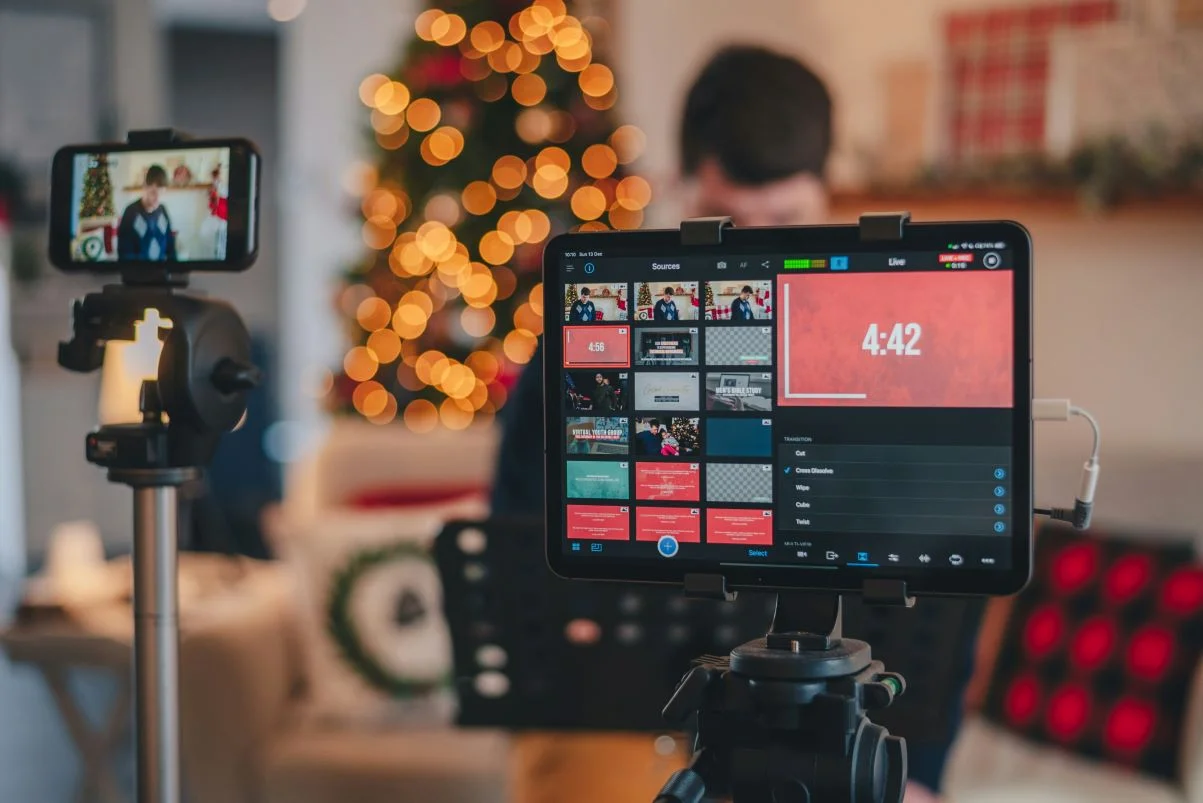
There is a reason why every major social media platform has shifted its focus, its algorithm, and its interface design around video content. It is not a coincidence, and it is not simply a passing trend. Video has become the dominant format across online media because it works, and it works consistently well for businesses, creators, and brands of all shapes and sizes. If you are still relying heavily on static images and text posts to carry your social media presence, you are likely leaving a significant amount of engagement, reach, and opportunity on the table. Understanding why video content performs better on social media and how to get started is one of the most valuable things you can do for your digital marketing strategy right now.
The Way Platforms Prioritise Video
Social media platforms are businesses, and their entire model depends on keeping users engaged for as long as possible. Video content, quite simply, achieves that better than any other format. Platforms like Instagram, Facebook, TikTok, LinkedIn, and YouTube have all built their recommendation systems and content distribution algorithms to favour video because users spend more time watching it, sharing it, and responding to it. When a platform detects that users are stopping to watch your content rather than scrolling past it, it rewards you with greater organic reach.
This is not speculation. It is the logical outcome of how these platforms are designed and how they have evolved. A well-crafted social media video holds attention in a way that a still image rarely can, and the algorithm notices that signal and responds accordingly. If you want your content seen by more people without solely relying on paid advertising, embracing video is one of the most effective routes available to you.
Why Video Connects With People More Effectively
Beyond the algorithm, there is a very human reason why video outperforms other formats on social media. It communicates tone, emotion, personality, and trust in a way that written posts simply cannot replicate at speed. When someone watches a video, they are hearing a voice, seeing expressions, absorbing movement, and processing information across multiple senses simultaneously. This creates a far richer experience and, crucially, a stronger connection between the viewer and the brand or person behind the content.
Consider how a professional services business might explain a complex topic. A lengthy text post might get skimmed. A well-produced video with clear visuals and a confident delivery can communicate the same information in a fraction of the time whilst also establishing credibility and warmth. That combination of efficiency and emotional resonance is what makes video so powerful as a format across social media.
Want more insights like this?
Join thousands of marketers getting weekly tips and strategies.
The Different Types of Video Content Worth Exploring
One of the most common misconceptions about social media videos is that they require significant production budgets and professional equipment to be effective. Whilst high-quality production certainly has its place, the reality is that authenticity and relevance often outperform polish when it comes to organic social content. There are several formats worth understanding before you decide where to focus your efforts.
Short-form video, popularised by TikTok and adopted by Instagram Reels and YouTube Shorts, is currently one of the most powerful tools available for growing reach and awareness. These videos are typically under sixty seconds, designed to be watched in full, and reward creators who get to the point quickly and deliver genuine value or entertainment without delay.
Long-form video, primarily at home on YouTube, suits more in-depth content such as tutorials, interviews, product demonstrations, and educational series. This format builds authority and serves audiences who are actively seeking to learn something or make a considered purchasing decision. For businesses in technical or professional sectors, this type of content can be extraordinarily effective at building trust over time.
Live video is another format that continues to perform well across platforms including Facebook, Instagram, and LinkedIn. There is an immediacy and interactivity to live streaming that recorded content cannot fully replicate, and audiences respond to the unedited, unscripted nature of it in a very genuine way.
How To Get Started With Video On Social Media
If you are new to producing video content for your social channels, the most important thing you can do is start before you feel completely ready. Waiting until you have the perfect setup, the perfect script, and the perfect lighting often means never starting at all. Begin with what you have, focus on the value you are delivering, and refine your approach as you go.
Start by identifying the questions your audience regularly asks, the problems they need solving, and the topics that sit at the heart of what you do. These are your content pillars. From there, plan a handful of short videos around those themes and commit to publishing them consistently. Consistency matters enormously on social media because it signals to the platform that you are an active creator, and it builds familiarity with your audience over time.
From a practical standpoint, a modern smartphone is more than capable of producing video content that performs well organically. Focus on decent lighting, clear audio, and a stable shot. Natural light is your friend, and a simple ring light is a cost-effective investment if you are filming indoors. Tools like Canva can help you add captions and basic graphics, and adding captions to your social media videos is particularly important given that a large proportion of users watch without sound.
It is also worth spending time studying the native features of each platform before you publish. What works on LinkedIn in terms of tone and length is quite different from what performs on Instagram or TikTok. Each platform has its own culture, and adapting your video content to suit the environment you are publishing in will always outperform a one-size-fits-all approach. Resources like the Sprout Social Insights blog are genuinely useful for keeping up with platform-specific best practices as they evolve.
Measuring What Matters
Once you begin publishing video content on social media, you need to be analysing the right metrics to understand what is genuinely working. Vanity metrics like total views can be misleading if the average watch time is very low. Focus on watch time, completion rate, engagement rate, and the actions people take after watching, whether that is visiting your website, following your account, or making an enquiry. These are the signals that tell you whether your video content is actually connecting with the right people in a meaningful way.
The Opportunity Is There Right Now
Video content is not the future of social media. It is the present. The brands and businesses that are investing in it now, even at a modest and imperfect starting point, are building audiences, authority, and visibility that will compound over time. The barriers to entry have never been lower, the tools have never been more accessible, and the appetite from audiences for genuine, useful, and engaging video has never been stronger. If you have been putting this off, there is no better moment than now to make video a central part of how you show up across social media.
Ian
Ian has worked in Digital Marketing for decades, and is a Google Partner for Google Ads and an expert in onsite and technical SEO. He has worked with hundreds of clients, helping them achieve success online, through SEO, PPC and Digital Marketing, working with local businesses through to national retailers.
View all posts →Related Articles
How Facebook Can Drive Sales For Your Ecommerce Business
Facebook isn't just where your customers scroll through holiday photos and share memes. With over 2.9 billion active users globally, it's become one of the most powerful sales engines for ecommerce bu...
Best Platforms For Managing Social Media Advertising Campaigns
The best platforms for managing social media advertising campaigns don't just consolidate your workflow; they transform how you approach paid social strategy entirely.
The Content That Works Best For Your Business On Social Media
In the world of social media marketing, creating content that actually moves the needle for your business isn't about following every trend or copying what works for others.