
The Difference Between On-Page SEO And Technical SEO
If you have spent any time researching how to improve your website's visibility in search engines, you have almost certainly come across the terms on-page SEO and technical SEO.
If you have spent any time researching how to improve your website's visibility in search engines, you have almost certainly come across the terms on-page SEO and technical SEO. They are often mentioned in the same breath, sometimes interchangeably, and yet they refer to quite different areas of search engine optimisation. Understanding the difference between the two is not just a matter of semantics. It genuinely shapes how you approach your website, where you focus your efforts, and ultimately how well your site performs in Google and other search engines. So let's break this down properly, because getting clarity here can make a real difference to how you build and maintain your digital presence.
What Is On-Page SEO?
On-page SEO refers to everything you do directly on the pages of your website to help search engines understand what that content is about and to make it as relevant and useful as possible for the people searching for it. It is the craft of making sure that when someone lands on a page, the content is well-written, properly structured, and clearly signals its topic to both the reader and the search engine crawling it.
This includes your page titles, your meta descriptions, your heading tags, the body copy itself, your image alt text, internal linking, and keyword usage throughout the content. When you are working on on-page SEO, you are essentially asking yourself: does this page clearly communicate what it is about, does it answer the user's question thoroughly, and is it structured in a way that makes it easy to read and navigate?
Think of it like writing a well-organised report. The title should tell you exactly what the report is about, the headings should guide you through the key points, and the content itself should be thorough, accurate, and written for the person reading it. On-page SEO is that editorial discipline applied to your web pages.
Make sure every page on your site has a unique, descriptive title tag that includes your target keyword naturally. Write meta descriptions that are compelling and relevant, use heading tags to structure your content logically, and ensure your body copy is genuinely useful and addresses what the searcher is looking for.
What Is Technical SEO?
Technical SEO sits beneath the surface of your website. Whilst on-page SEO is concerned with the content and its presentation, technical SEO is concerned with the infrastructure that makes your website function properly for search engines. It is about making sure that Google and other search engines can actually find, crawl, and index your pages without running into obstacles along the way.
Want more insights like this?
Join thousands of marketers getting weekly tips and strategies.
This covers a wide range of elements, including your site speed, mobile-friendliness, crawlability, XML sitemaps, structured data markup, canonical tags, HTTPS security, and the overall architecture of your site. If your website has broken links that lead to dead ends, pages that are accidentally blocked from being crawled, or a site structure so tangled that search engines struggle to navigate it, then no amount of brilliant on-page content will get you where you want to be.
A useful way to think about it is this: imagine you have written an outstanding book, but it has been printed on pages that are impossible to read, bound so tightly it won't open properly, and delivered to a library that has no record of it existing. That is what technical SEO problems do to otherwise good content. They prevent it from being seen.
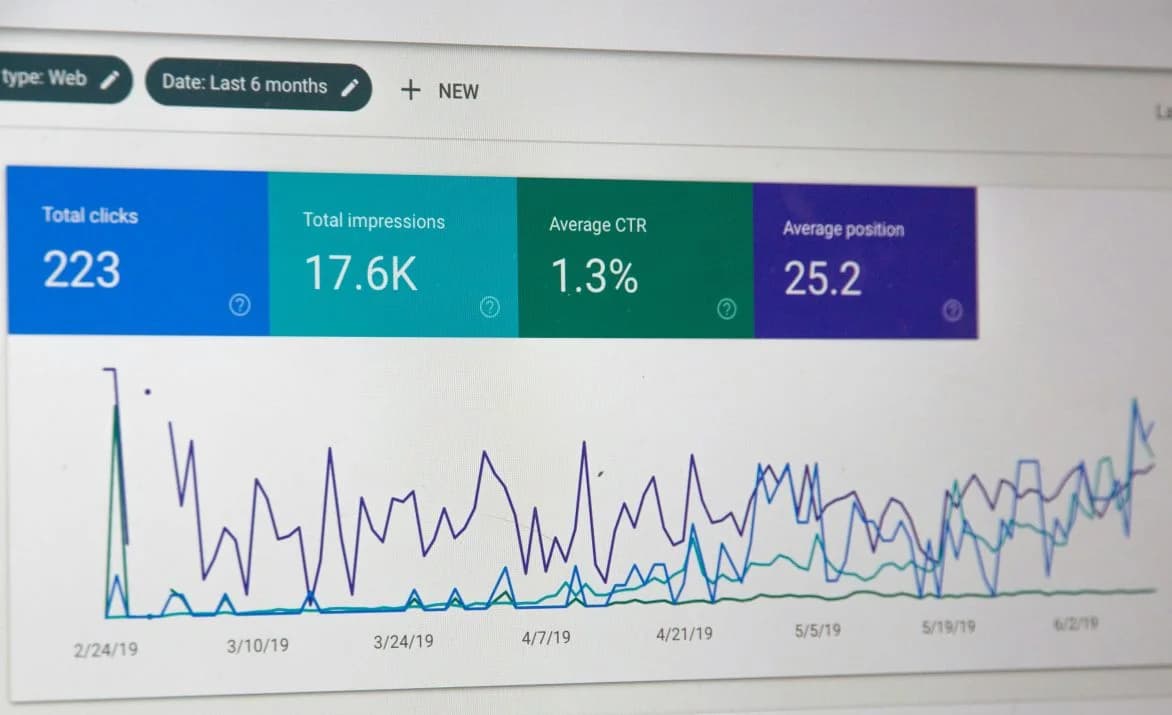
Use a tool like Google Search Console to identify crawl errors, check your site loads quickly on both desktop and mobile, make sure your sitemap is submitted and up to date, and ensure all of your important pages are accessible to search engine bots.
Where the Two Overlap
It is worth acknowledging that on-page SEO and technical SEO are not entirely separate worlds. There are areas where they naturally intersect, and it is important to understand those grey zones so you are not neglecting them by assuming they fall into the other category.
Page speed is a good example. Loading time affects the user experience directly on the page, which sounds like on-page territory, but improving it often requires technical changes to your server, your code, or how your images are compressed and delivered. Similarly, structured data markup helps search engines better understand your content, which feels like an on-page concern, but implementing it correctly involves technical knowledge of schema code.
Internal linking is another crossover area. From an on-page perspective, you want to link to relevant pages using descriptive anchor text that helps readers and search engines understand the context. From a technical perspective, your internal link structure plays a significant role in how crawl budget is distributed across your site and how page authority flows between your pages. Neither lens is wrong. Both matter.
Why Both Matter for Your Website
One of the most common mistakes website owners make is focusing heavily on one whilst completely ignoring the other. You might spend considerable time and resources producing high-quality, well-optimised content, only to find that your site has a significant technical issue that is preventing pages from being indexed. Equally, you might have a technically spotless website with excellent loading speeds and clean architecture, but if the content on those pages is thin, poorly structured, or fails to address what users are actually searching for, you will still struggle to rank competitively.
Effective search engine optimisation requires both disciplines working together. They are two sides of the same coin, and neglecting either one creates a gap in your overall strategy that your competitors may well be exploiting.
Conduct a technical audit of your site at least twice a year to catch crawl errors, broken links, and performance issues. Alongside that, regularly review your key pages to ensure the content remains relevant, well-structured, and genuinely valuable to your audience.
How to Prioritise When Resources Are Limited
If you are working with a smaller budget or a limited team, you may find yourself wondering where to start. The honest answer is that it depends on the current state of your website. If you have a relatively new site with thin or poorly optimised content, on-page SEO work is likely to deliver the most immediate impact. Getting your pages properly written, structured, and targeted to the right search queries gives search engines something meaningful to work with.
However, if your site has grown over time and you have accumulated a large number of pages, redirects, and structural changes without any formal technical review, it is worth investing time in a technical audit first. There is little point in creating new content or refining existing pages if fundamental technical issues are quietly undermining your efforts behind the scenes.
For most established websites, the most sensible approach is to treat technical SEO as the foundation and on-page SEO as the ongoing build. You need solid foundations before you can construct anything meaningful on top of them, but once those foundations are in place, the quality of what you build on top of them determines how far you can go.
Bringing It All Together
The difference between on-page SEO and technical SEO is really the difference between what your website says and how it functions. On-page SEO is about communicating clearly and relevantly to both your audience and the search engines reading your content. Technical SEO is about making sure the machinery that delivers that content is running smoothly, efficiently, and without obstacles.
Both disciplines are essential components of a well-rounded SEO strategy. Treating them as separate concerns entirely is a mistake, but so is confusing one for the other and assuming that doing well in one area means you are covered across the board. If you are serious about improving your website's performance in search, take the time to audit both areas, address the weaknesses you find, and build a consistent practice of maintaining both as your site evolves. The websites that perform best in competitive search environments are almost always the ones where both on-page quality and technical excellence have been given proper attention.
Ian
Ian has worked in Digital Marketing for decades, and is a Google Partner for Google Ads and an expert in onsite and technical SEO. He has worked with hundreds of clients, helping them achieve success online, through SEO, PPC and Digital Marketing, working with local businesses through to national retailers.
View all posts →Related Articles

Why Rankings Are A Poor Way To Measure Your SEO Campaign Success Rate
Too many people still rely on the tracking of keywords to rate their campaign, which as we go onto discuss, is not the best way of judging the success and effectiveness of your campaign.
The Link Building Mistakes That Will Catch You In The End
Links are still a fundamental part of SEO and improving rankings in the search engines and even though more emphasis than ever has been placed on how good and optimised your website is, link building is simply something that cannot be overlooked if you want long term success.
Why CRO Is Now As Important For SEO Than Ever Before
For years, the digital marketing world treated conversion rate optimisation (CRO) and search engine optimisation (SEO) as separate disciplines. SEO focused on driving traffic, CRO focused on convertin...