What Is A Meta Description And Does It Affect Rankings
In the world of search engine optimisation, meta descriptions are one of those elements that cause endless debate amongst marketers and website owners.
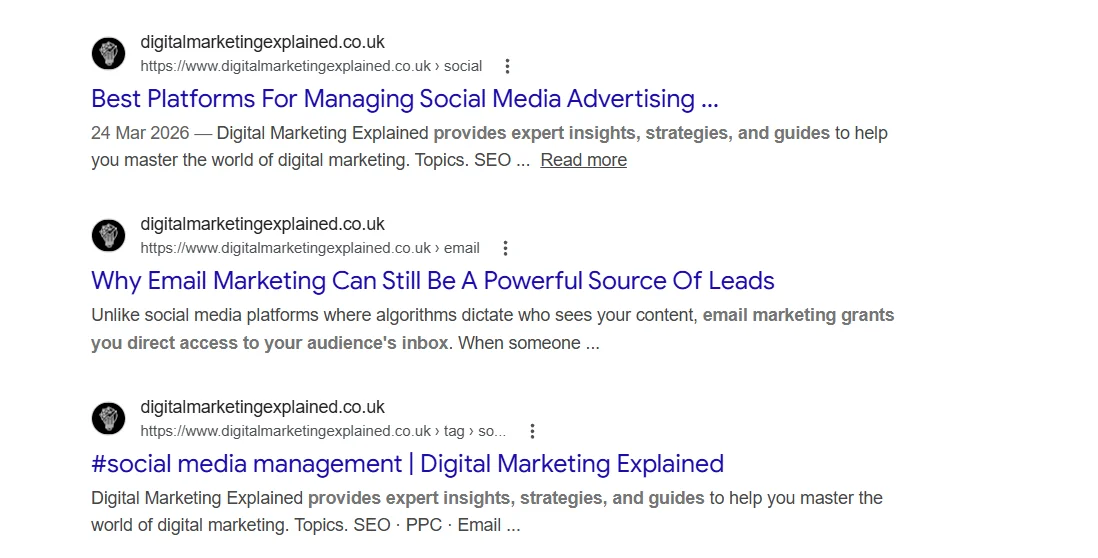
In the world of search engine optimisation, meta descriptions are one of those elements that cause endless debate amongst marketers and website owners. You see them everywhere, nestled beneath page titles in search results, offering a tantalising glimpse of what awaits beyond the click. But what exactly is a meta description, and does it actually influence where your pages rank in Google's search results?
The short answer might surprise you. Meta descriptions do not directly affect your search rankings. Google has been clear about this for years, yet the confusion persists. However, dismissing meta descriptions as unimportant would be a costly mistake, because whilst they don't boost your position in search results, they can dramatically impact whether people actually click through to your website.
Understanding Meta Descriptions
A meta description is a brief snippet of HTML code that summarises the content of a web page. Typically ranging from 150 to 160 characters, this description appears beneath your page title in search engine results pages (SERPs). Think of it as your elevator pitch to potential visitors, a chance to convince them that your page contains exactly what they're looking for.
From a technical standpoint, meta descriptions live in the head section of your HTML code and look something like this: <meta name="description" content="Your compelling description goes here">. Search engines read this code and often, though not always, display it as the snippet beneath your page title in search results.
The Ranking Reality
Google has consistently stated that meta descriptions are not a direct ranking factor. This means that crafting the perfect meta description won't magically propel your page to the top of search results. The algorithm focuses on other elements like content quality, relevance, backlinks, and technical performance when determining where your page should rank.
This revelation often disappoints newcomers to SEO who hope for quick wins, but understanding this distinction is crucial for developing realistic expectations about search engine optimisation efforts. Your time is better spent on creating exceptional content and improving your site's technical foundation rather than obsessing over meta description perfection.
Important note: Focus your ranking efforts on proven factors like content quality, user experience, and technical SEO rather than banking on meta descriptions for position improvements.
Want more insights like this?
Join thousands of marketers getting weekly tips and strategies.
The Click-Through Rate Connection
Here's where meta descriptions become genuinely valuable for your digital marketing strategy. Whilst they don't influence rankings directly, they can significantly impact your click-through rate (CTR), which is the percentage of people who see your listing and actually click on it.
A compelling meta description acts like advertising copy for your search listing. When someone searches for information and sees multiple results, they're making split-second decisions about which links deserve their attention. Your meta description is often the deciding factor between a click and a scroll past your result.
Consider this scenario: two pages rank for the same search term in positions three and four. The page in third position has a generic, uninspiring meta description, whilst the fourth position features a compelling description that directly addresses the searcher's needs. The fourth result might actually receive more clicks despite ranking lower.
Smart strategy: Write meta descriptions that speak directly to user intent and highlight the unique value your page provides compared to competing results.
Crafting Effective Meta Descriptions
Creating meta descriptions that drive clicks requires understanding your audience and what motivates them to take action. Start by identifying the primary benefit or solution your page offers, then communicate that value clearly within the character limit.
Effective meta descriptions often include action-oriented language that encourages clicking. Words like "discover," "learn," "find out," or "get started" can create a sense of momentum. Including relevant keywords naturally within your description can also help, not for ranking purposes, but because search engines often bold matching terms, making your result more visually prominent.
Avoid common pitfalls like writing descriptions that are too short, too long, or completely generic. Each page deserves a unique description tailored to its specific content and target audience. Duplicating meta descriptions across multiple pages represents a missed opportunity to differentiate your content.
Quick fix: Review your most important pages and ensure each has a unique, compelling meta description that clearly communicates why someone should click through to read more.
When Google Ignores Your Meta Description
Sometimes you'll notice that Google displays different text in search results despite your carefully crafted meta description. This happens when Google's algorithm determines that other content from your page better matches the specific search query. Rather than viewing this as a failure, consider it Google's attempt to provide the most relevant snippet for that particular search.
This behaviour reinforces why focusing on overall content quality matters more than perfecting meta descriptions. If your page content thoroughly addresses user needs, Google has plenty of relevant text to choose from when creating search snippets.
Making Meta Descriptions Work for You
The key to leveraging meta descriptions effectively lies in understanding their true purpose within your broader search engine optimisation strategy. They're not ranking boosters, but conversion tools that can improve the performance of pages that already rank well.
Think of meta descriptions as part of your user experience optimisation rather than traditional SEO. When someone finds your page in search results, you want every element working together to encourage that crucial first click. Your meta description is often the final piece of information that influences this decision.
Successful digital marketing requires recognising which tactics directly influence rankings versus those that improve user engagement and conversion rates. Meta descriptions fall firmly into the latter category, making them valuable for different reasons than many people assume.
Bottom line: Invest time in writing compelling meta descriptions for your most important pages, but don't expect them to improve your search rankings directly. Instead, focus on how they can improve click-through rates and drive more qualified traffic to your website.
Ian
Ian has worked in Digital Marketing for decades, and is a Google Partner for Google Ads and an expert in onsite and technical SEO. He has worked with hundreds of clients, helping them achieve success online, through SEO, PPC and Digital Marketing, working with local businesses through to national retailers.
View all posts →Related Articles

Why Rankings Are A Poor Way To Measure Your SEO Campaign Success Rate
Too many people still rely on the tracking of keywords to rate their campaign, which as we go onto discuss, is not the best way of judging the success and effectiveness of your campaign.
The Link Building Mistakes That Will Catch You In The End
Links are still a fundamental part of SEO and improving rankings in the search engines and even though more emphasis than ever has been placed on how good and optimised your website is, link building is simply something that cannot be overlooked if you want long term success.
Why CRO Is Now As Important For SEO Than Ever Before
For years, the digital marketing world treated conversion rate optimisation (CRO) and search engine optimisation (SEO) as separate disciplines. SEO focused on driving traffic, CRO focused on convertin...